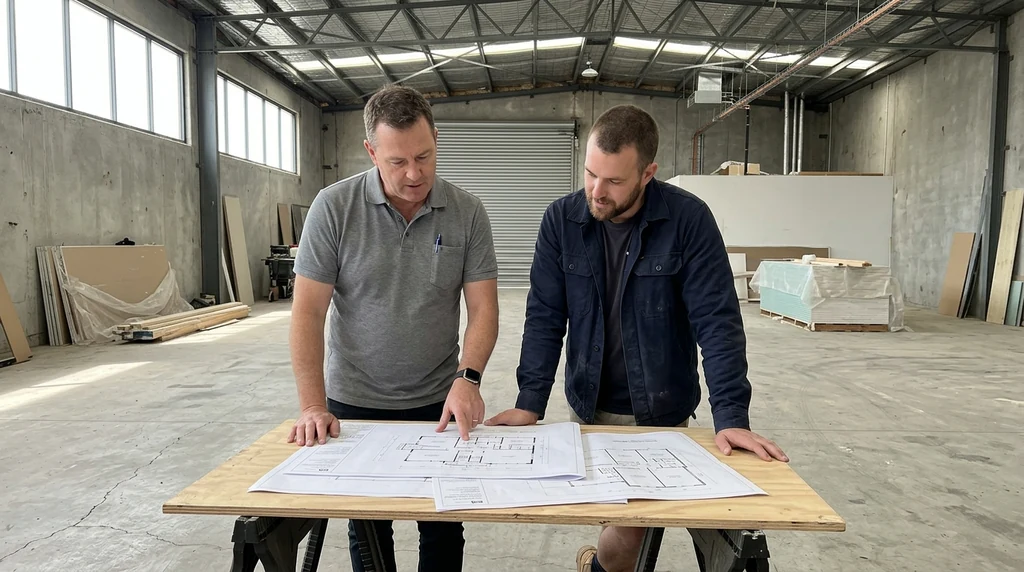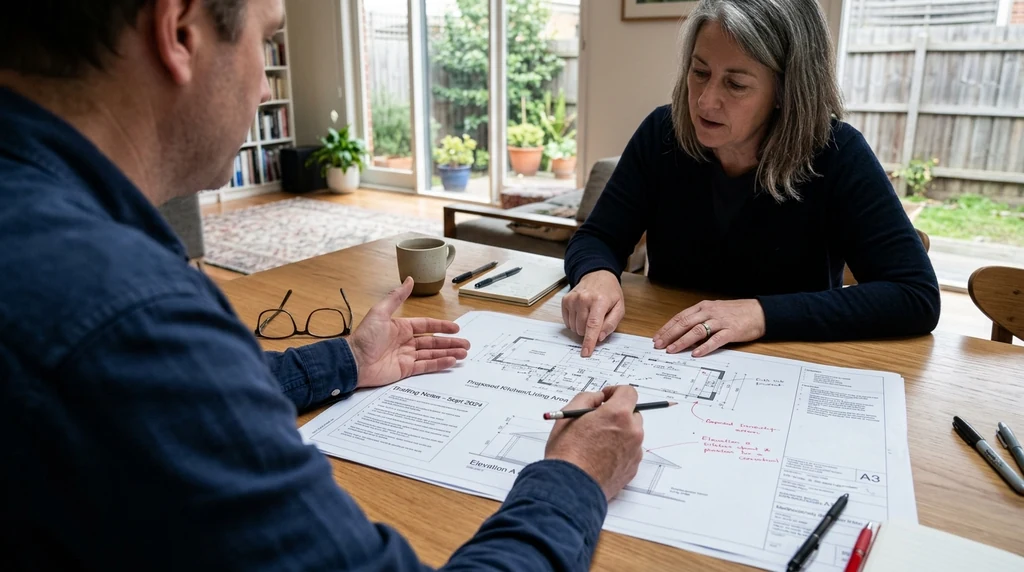
Turning your dream home into a workable design is one of the most exciting stages of any building project. It’s an opportunity to create a space that reflects your lifestyle, suits your family’s needs, and works with the character of your block. Whether you’re planning a new build in the outer suburbs or a knockdown rebuild closer to the city, custom home design drafting is where your ideas start to take shape as a real, buildable plan.
This post covers practical tips to help you approach the drafting process with more confidence, along with a few things worth thinking about before you sit down with a drafting professional.
Start With a Clear List of Needs
Before any lines are drawn, it helps to have a solid understanding of what your household actually needs from the home. Think about your daily routines, how many bedrooms and bathrooms you require, whether you need a dedicated home office, and how much space you want for entertaining or storage. Families in Melbourne often need to balance indoor-outdoor living too, especially given our seasonal weather, so consider how outdoor areas will connect to the main living spaces.
Save images that resonate with your taste, whether that’s the layout, the materials, or the overall feel of the home. This visual reference becomes a useful discussion point when working through your draft with a professional offering drafting services in Melbourne, helping to align your vision with a design that is both practical and locally appropriate.
Writing this list down early gives your drafting professional a clear brief to work from and reduces the number of revisions needed later.
Gather Inspiration From Local and Online Sources
Design inspiration can come from anywhere – architecture magazines, Pinterest boards, Instagram accounts, or homes you’ve walked past in your own neighbourhood. Melbourne has a wide mix of architectural styles, from Victorian-era terraces to contemporary infill homes, so it’s worth paying attention to what works well in your specific suburb and street.
Design for the Long Term
It’s worth thinking beyond your immediate needs when drafting a custom home. Are you likely to grow your family, work from home more often, or need to accommodate ageing parents down the track? Planning for these possibilities now, even in small ways such as wider hallways or a flexible extra room, can save significant cost and disruption later.
A good drafting process should account for how your household might change over the next decade, not just how it looks on day one.
Prioritise Functionality Alongside Aesthetics
A visually appealing home also needs to work well day to day. Consider how traffic flows through the house, where natural light enters at different times of day, and whether there’s enough practical storage throughout. Kitchen placement, laundry access, and the relationship between living areas and bedrooms all affect how comfortable a home feels to live in.
Melbourne’s block sizes and orientations vary widely, so functionality often comes down to how well the design responds to your specific site rather than a generic floor plan.
Custom design decisions are easier to make when the client can see the space clearly. The power of 3D visualisations explains how modelling can reduce uncertainty before the drawings are finalised.
Keep Your Budget in the Conversation Early
Budget affects almost every decision in a custom home design, from the size of the footprint to the materials and finishes you can realistically include. Being upfront about your budget with your drafting professional from the outset helps avoid unnecessary redesigns and keeps the project grounded in what’s achievable.
It’s also worth factoring in council requirements and site-specific costs, such as slope, drainage, or overlay restrictions, which can vary across different Victorian municipalities.
Work With a Professional Who Understands Local Requirements
Custom home design drafting involves more than just sketching a floor plan. It requires an understanding of spatial planning, building regulations, and how local council rules apply to your specific property. Different councils across Melbourne and regional Victoria can have varying planning overlays, setback requirements, and heritage considerations, particularly in established suburbs.
Engaging a drafting professional who is familiar with these local nuances helps ensure your design is not only functional and true to your vision, but also has a realistic path through the approval process.
Make the Most of Digital Drafting Tools
Modern drafting tools such as AutoCAD, SketchUp, and Revit allow for precise measurements and easier revisions throughout the design process. Many also offer 3D visualisation, giving you a clearer sense of how the finished home will look and feel before construction begins.
These tools make it easier to explore different layout options, test how natural light moves through the home at various times of day, and make informed decisions before committing to a final design.
Some custom home ideas also suit dual-occupancy sites. Duplex plans and their benefits explains how planning, layout and liveability need to work together when one block carries more than one dwelling.
Bringing It All Together
Creating a custom home design involves defining your needs, gathering inspiration, planning for the future, balancing functionality with aesthetics, keeping your budget in check, and working with a professional who understands local requirements. Taking the time to work through each of these steps helps ensure the final design genuinely reflects how you want to live, while remaining practical to build and approve.
For Melbourne homeowners starting this journey, a considered approach to drafting sets the foundation for a smoother build process down the track.