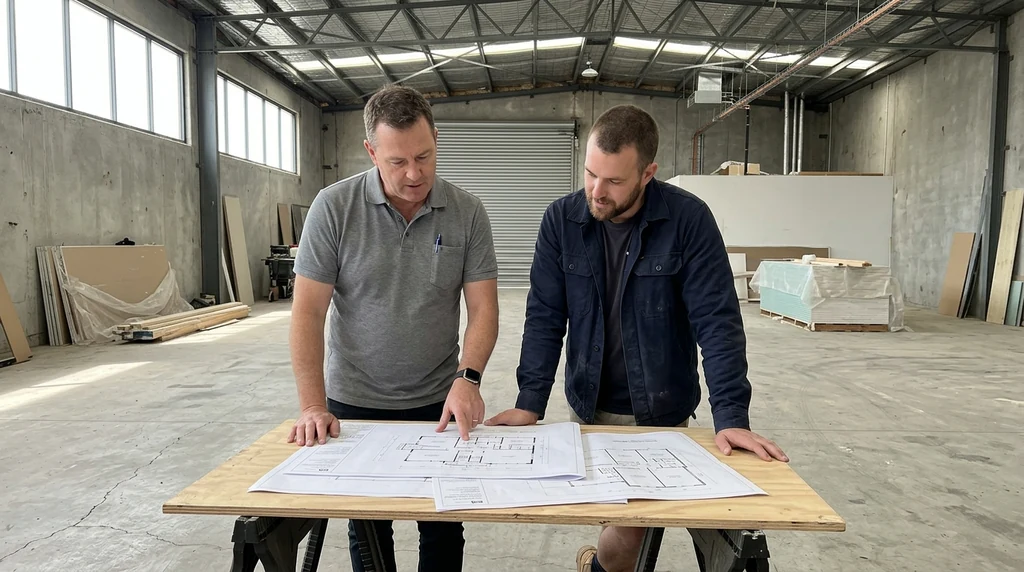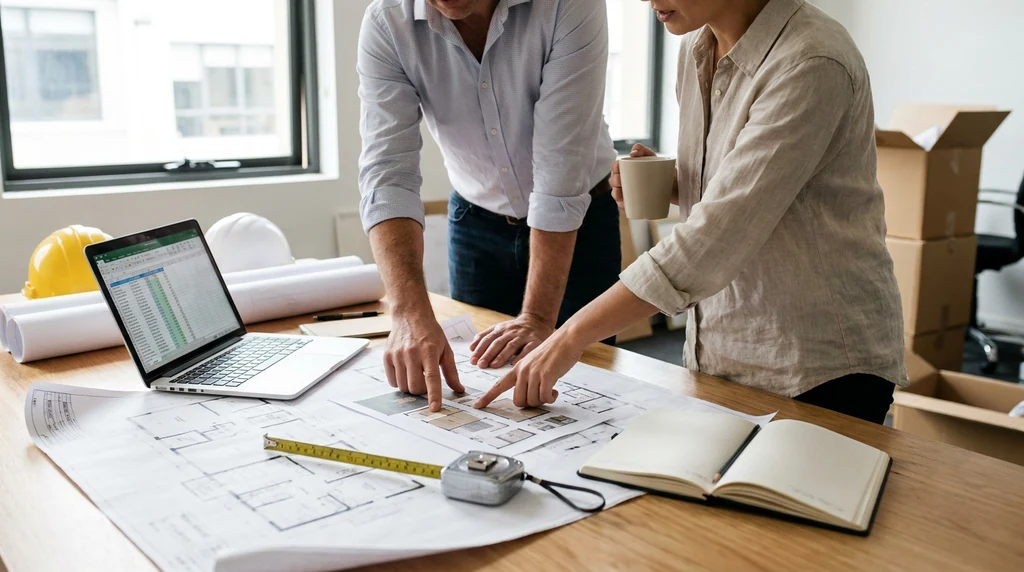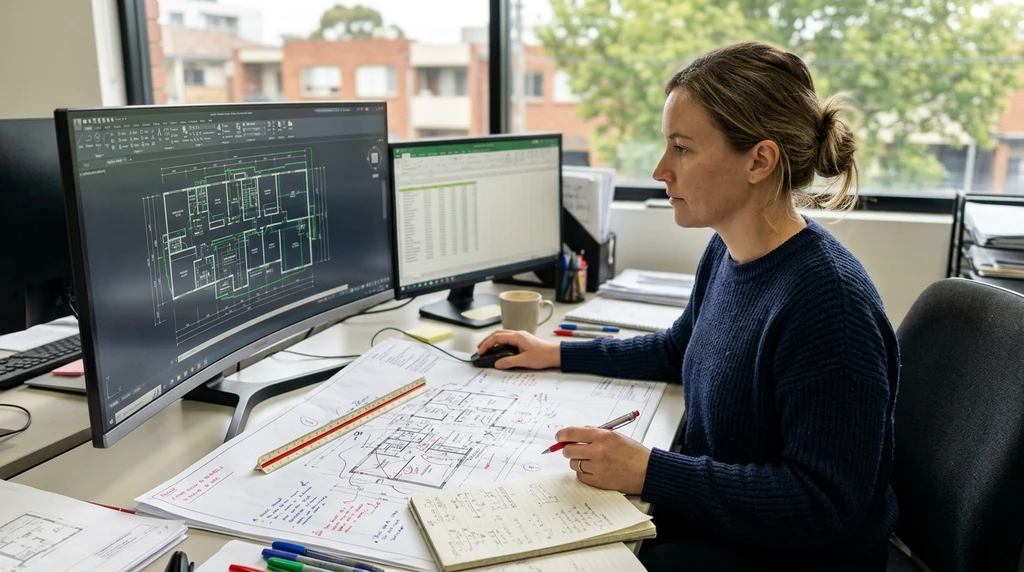
Good building design looks straightforward once a home or extension is finished, but getting there takes a lot of careful thinking at the drafting stage. Most of the costly problems people run into during construction can be traced back to design decisions made too quickly, or without enough consideration for the site, the neighbours, or the rules that apply in Victoria.
Fixing a design issue on paper is inexpensive. Fixing the same issue once concrete has been poured or framing is up is a completely different story. That’s why the drafting and design phase deserves as much attention as the build itself.
Why Design Problems Happen
Building regulations in Victoria are detailed, and they exist to manage things like site coverage, height limits, setbacks, and the impact a new structure has on neighbouring properties. A design can technically satisfy the rules and still miss the mark for the people who will actually live in or use the building. It might not suit the block, clash with the streetscape, or waste usable space because the layout wasn’t planned around how the site actually works.
Other issues come from a lack of coordination between the design and what’s realistic to build. A plan that looks good on paper can turn out to be far more expensive than expected once a builder starts pricing it, simply because certain details weren’t thought through early enough. Working with a drafting team that understands both design and construction helps avoid this gap, and it’s one of the reasons property owners across Melbourne come to us for clear plans for approvals and builder pricing before they commit to a build.
Height, Setbacks and Overshadowing
Two issues that come up regularly in residential design are building height and the shadow a new structure casts over neighbouring properties. Under Victorian planning provisions, most residential buildings are limited to a maximum height, and there are rules around how far a building needs to be set back from the street and from side and rear boundaries, particularly when there are existing homes on either side.
If you’re hoping to maximise space on a site with height restrictions, a basement or partial excavation is often the only way to add extra floor area without breaching the limit. This needs to be planned early, since it affects footings, drainage, and the overall structural approach.
Overshadowing is another area that catches people out. Planning controls generally require that neighbouring windows still receive a reasonable amount of natural light, which means there are minimum requirements for open space and sky exposure around existing windows on adjoining properties. Verandahs, pergolas, and similar structures are usually allowed within certain height and coverage limits, but they still need to be factored into the overall shadow diagrams submitted with a planning application.
Getting these numbers right from the start avoids the frustration of having a design sent back for amendments, or worse, having to redesign after a permit has already been lodged.
Designing for the Site, Not Just the Brief
A common mistake is designing a building around a wish list without properly accounting for the site’s constraints. Slope, orientation, soil conditions, easements, and the location of existing services all influence what’s actually achievable. A design that ignores these factors often needs significant rework once a surveyor or engineer gets involved, which adds time and cost that could have been avoided.
Design issues are easier to solve when the brief is not vague. How to communicate renovation ideas to drafting professionals shows how clearer instructions can prevent confusion before drawings begin.
This is where a coordinated approach to drafting makes a genuine difference. When site information, planning requirements, and the client’s brief are all considered together from the outset, the resulting plans are far more likely to move through council and building approvals without major hold-ups.
Practical Steps to Reduce Design Risk
- Get an accurate site survey before design work begins, rather than relying on assumptions about levels or boundaries.
- Check height, setback, and site coverage requirements early, especially on smaller or irregular blocks.
- Involve a builder or estimator during the design phase to sanity-check costs before the plans are finalised.
- Consider how the design will affect neighbouring properties, particularly around overshadowing and overlooking.
- Use detailed drawings, rather than concept sketches, when seeking planning permits to reduce the chance of requests for further information.
The Value of Getting Drafting Right the First Time
Every change made after a permit is lodged, or after construction has started, tends to cost more than the same change made during drafting. Beyond the direct financial cost, redesigns can delay a project by weeks or months while amended plans go back through council.
Investing time in the design phase, including proper site analysis, realistic budgeting, and attention to planning requirements, sets a project up to run more smoothly from permit application through to completion. It also gives everyone involved, from the property owner to the builder, a shared understanding of what’s being built before any construction work begins.
Many design problems can be avoided by understanding floor plans earlier. A beginner’s guide to home floor plan drafting explains the basics so the layout makes sense before deeper design work starts.
Working With Buildpoint
Buildpoint has been involved in residential and commercial building projects across Melbourne for over 30 years. We work through the drafting and design process with property owners, taking into account the site conditions, relevant planning controls, and what’s realistic to construct, so the plans reflect a building that can actually be approved and built as intended.
If you’re planning a new home, renovation, or commercial project and want to avoid the common design pitfalls outlined here, get in touch with our team to talk through your site and what you’re hoping to achieve.