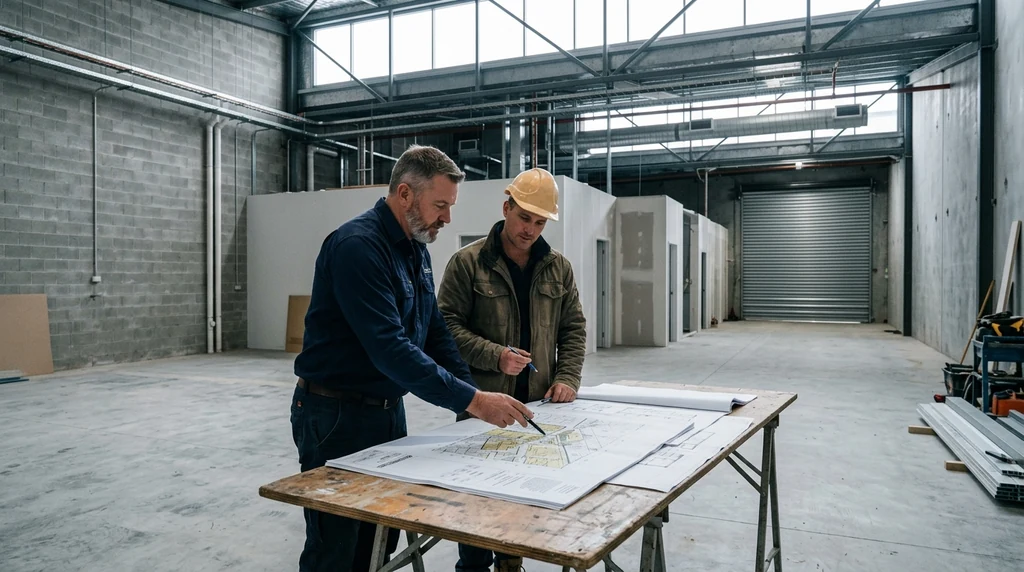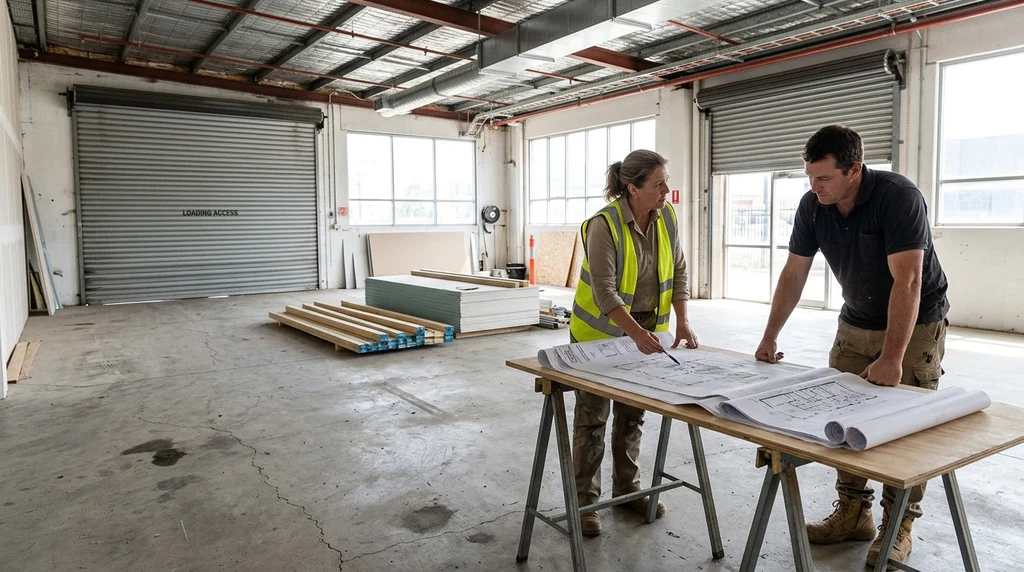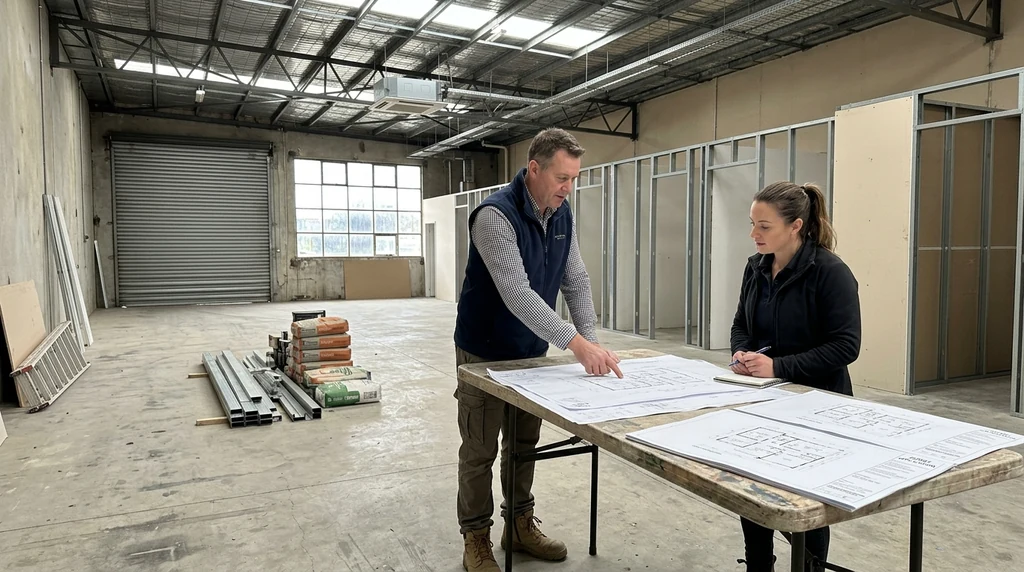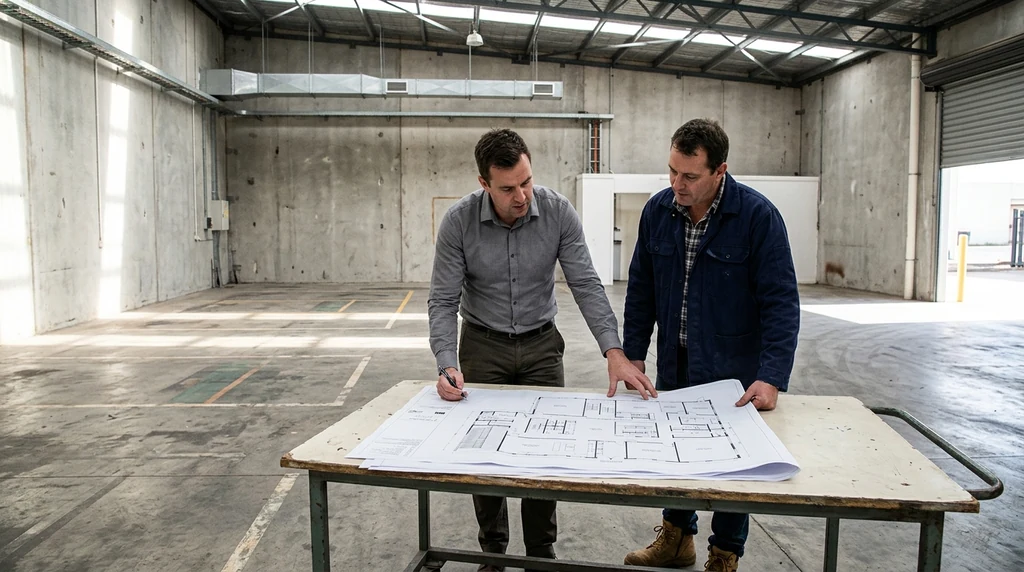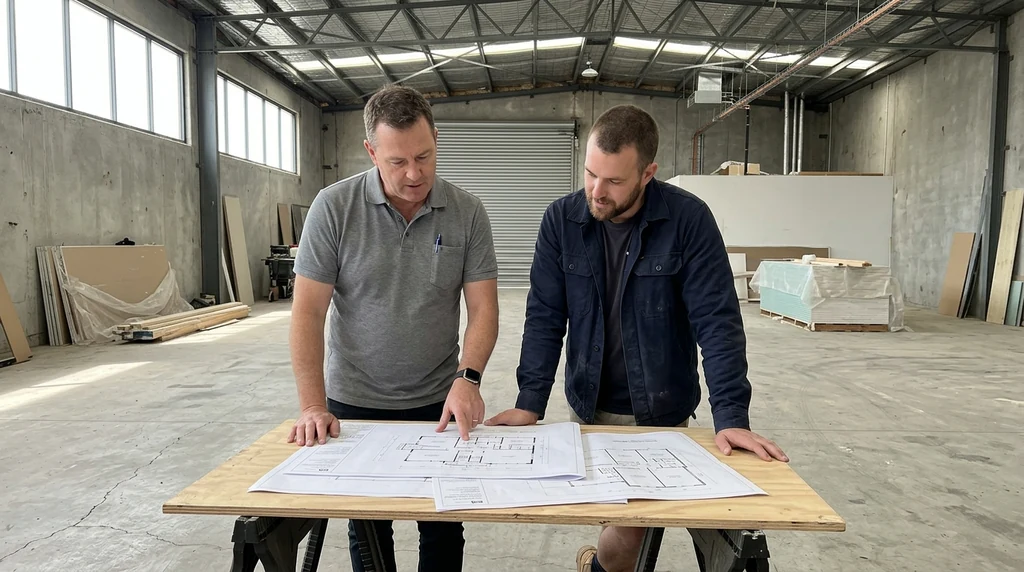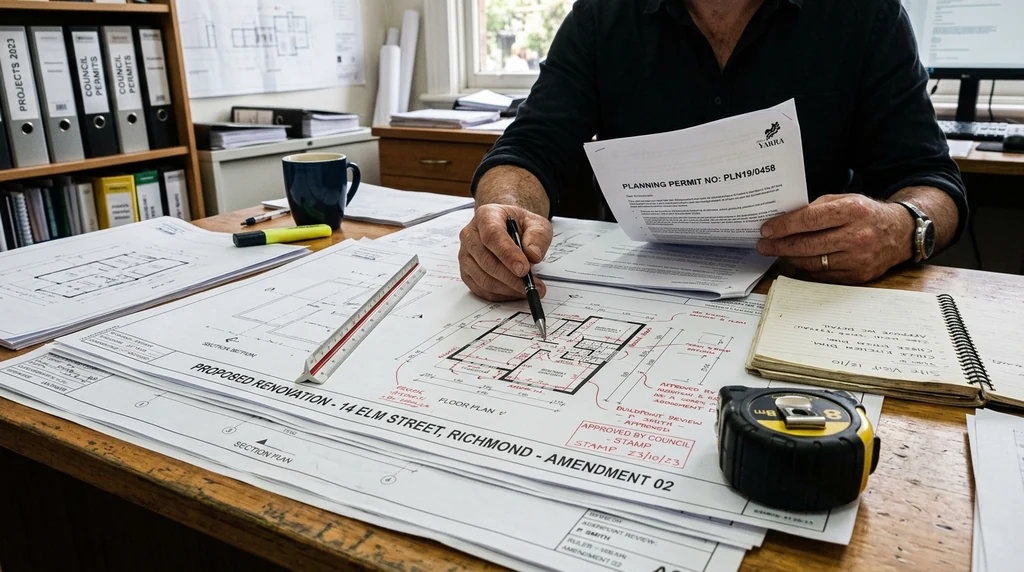
Before any tools come out on site, your renovation plans go through one of the most important stages of the entire project: blueprint review and approval. This is the point where drafted plans are checked against your goals, your budget and, just as importantly, the construction standards that apply across Victoria. Getting this stage right reduces the chance of costly changes once building work is underway.
For Melbourne homeowners, this stage can feel technical and overwhelming, particularly if it’s your first renovation. This article walks through practical steps to help you review your blueprints with confidence, and explains where professional input adds real value.
What a Blueprint Actually Shows
A blueprint is more than a floor plan. It’s a detailed technical document that shows structural layouts, electrical runs, plumbing networks, and often ceiling heights, window positions and material notes. Before diving into the details, it helps to spend some time learning the basic symbols and terms used, so you can read the plan accurately rather than relying on guesswork.
This is where working with a building consultant Melbourne homeowners can rely on becomes particularly useful. A consultant can review your blueprints against current code requirements and council conditions, helping you understand whether adjustments are needed before the plans move to approval.
If you’re unfamiliar with how blueprints are structured, ask your drafting professional or builder to walk you through the key sections before you attempt a detailed review on your own.
Start With the Overall Layout
Before checking finer details, step back and look at the big picture. Does the layout support how you actually use your home? Consider room sizes, how traffic flows between spaces, and where doors and windows sit in relation to furniture and everyday movement. A layout that looks fine on paper doesn’t always work in practice, so try to visualise daily life within the proposed space.
Review the Finer Details
Once you’re satisfied with the layout, move into the details. Check the placement of fixtures, appliances and storage areas. Look closely at ceiling heights, door sizes and window positions to confirm they match what you discussed with your designer or builder. Small details are often where later changes get expensive, so it pays to raise questions early rather than after construction has started.
Confirm the Measurements
Every measurement on the blueprint should reflect real-world dimensions. Errors here can cause miscalculations once construction begins, leading to delays and unplanned costs. If anything looks inconsistent between pages or doesn’t match the site itself, flag it before approval rather than assuming it will be corrected later.
Check for Code Compliance
Victorian renovation projects need to meet the National Construction Code, relevant Australian Standards and local council planning requirements. These rules cover structural safety, energy efficiency and, in some cases, environmental considerations specific to your site or municipality. Compliance isn’t always obvious from a visual read of the plans, which is why this step often benefits from professional input.
Blueprint review works best when the permit pathway is already understood. Planning and building permits explains the approval steps that shape what needs to be checked.
Get an Expert Review
Your own review is important, but it shouldn’t be the only check the plans receive. An experienced architect, builder or building surveyor can pick up on structural concerns, design inconsistencies or compliance gaps that aren’t always apparent to someone reviewing plans for the first time. Their feedback at this stage is generally far less costly than changes made mid-construction.
Use 3D Visualisation Where Possible
If your drafting professional offers 3D visualisation, it’s worth taking advantage of it. Seeing a realistic render of the finished space can highlight issues that are hard to picture from a flat, two-dimensional plan, such as how natural light moves through a room or whether a hallway feels cramped. This extra step can make the review process far more informative, particularly for larger renovations.
Questions Worth Asking During Visualisation
- Does natural light reach the areas you expected it to?
- Do sightlines between rooms match your intended layout?
- Are there any pinch points in hallways or entryways?
- Does the scale of joinery and fixtures look right in context?
Keep Communication Clear Throughout
Open, ongoing communication with your drafting professional or builder makes the review process smoother. Don’t hesitate to ask questions or raise concerns, even if they seem minor. Clear feedback at this stage allows plans to be refined properly, rather than patched together once construction has already started.
Why This Stage Matters for Melbourne Renovations
Victorian councils and building surveyors expect renovation plans to meet specific standards before approval is granted. Taking the time to review your blueprints thoroughly, and involving the right professionals where needed, helps avoid delays during the permit process and reduces the risk of unexpected costs once building begins.
A drawing review can also reveal when you need broader building advice before committing to the project. When to hire a building consultant before buying or renovating explains the situations where early guidance can prevent poor decisions.
A well-reviewed blueprint sets the foundation for a renovation that runs more smoothly from approval through to completion. Taking this stage seriously, and seeking professional input where it adds value, is one of the most practical steps Melbourne homeowners can take before construction begins.