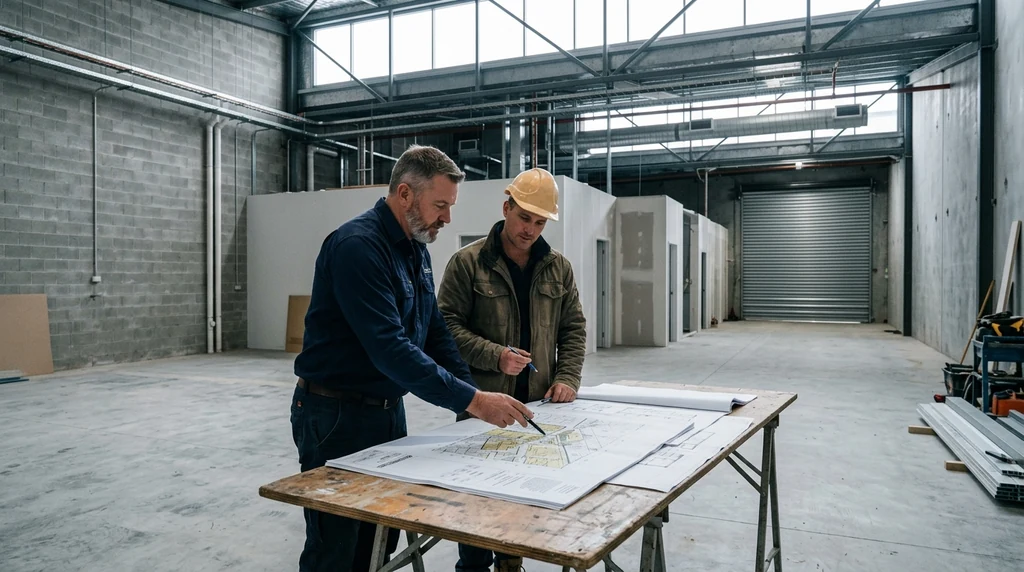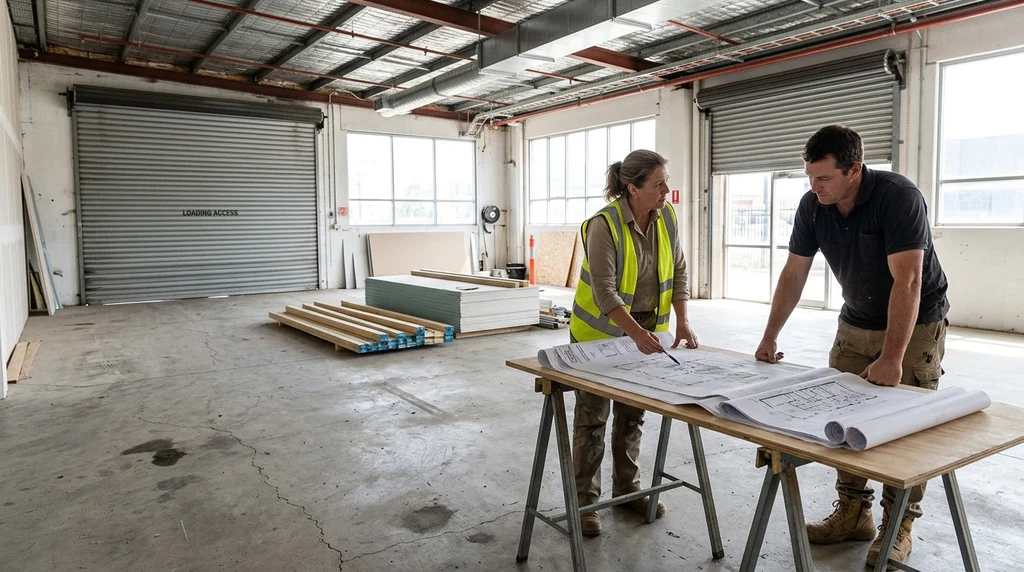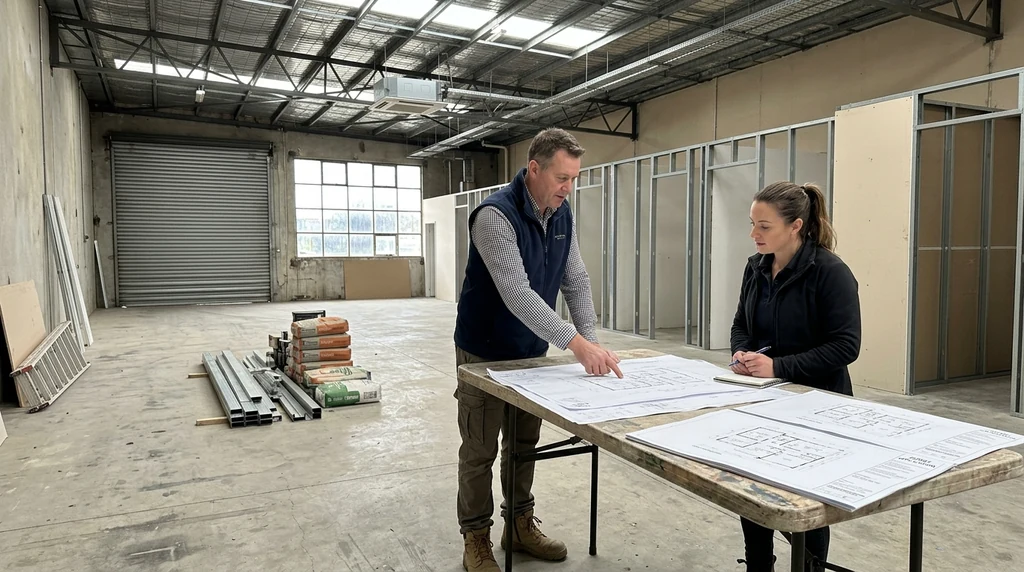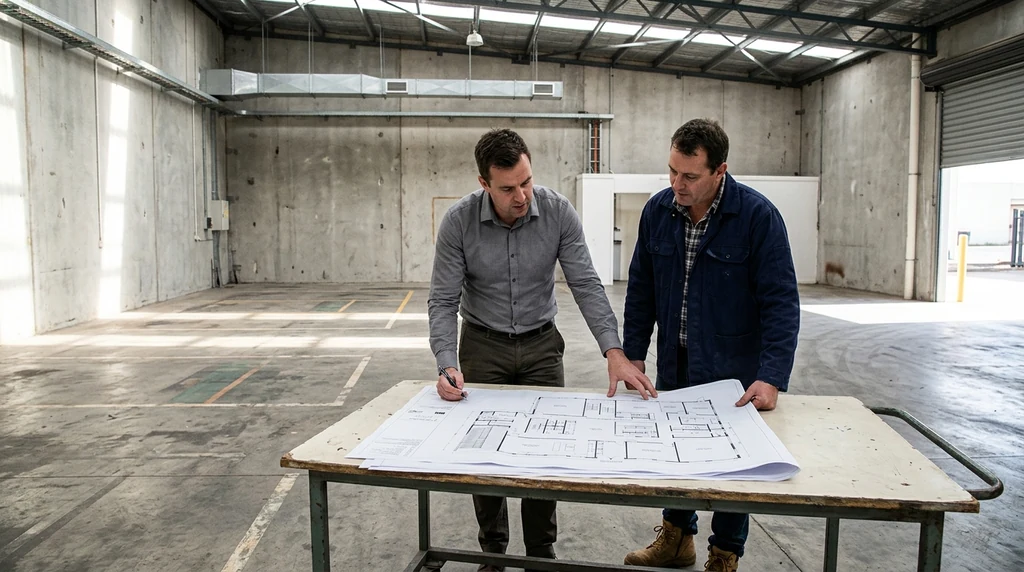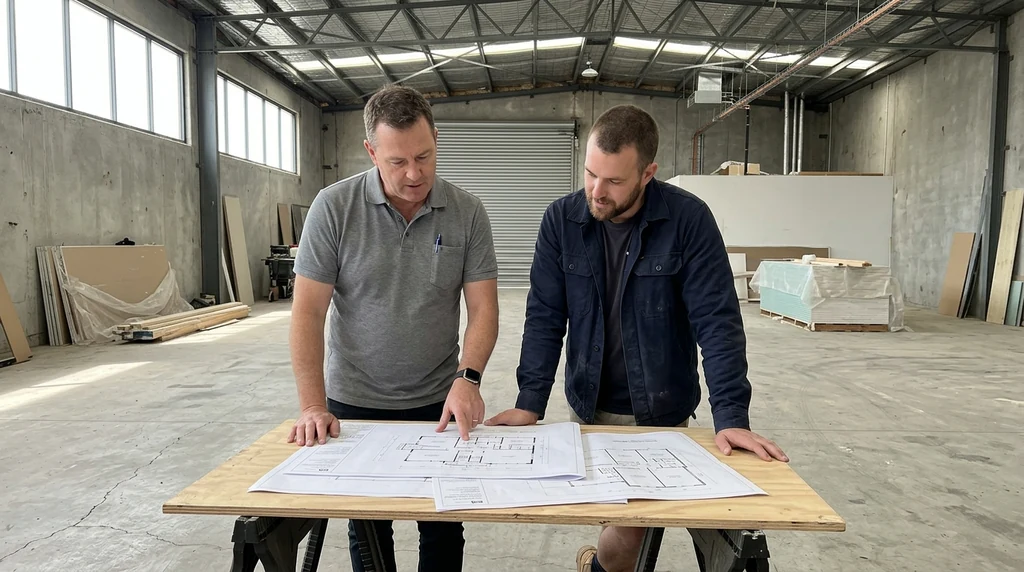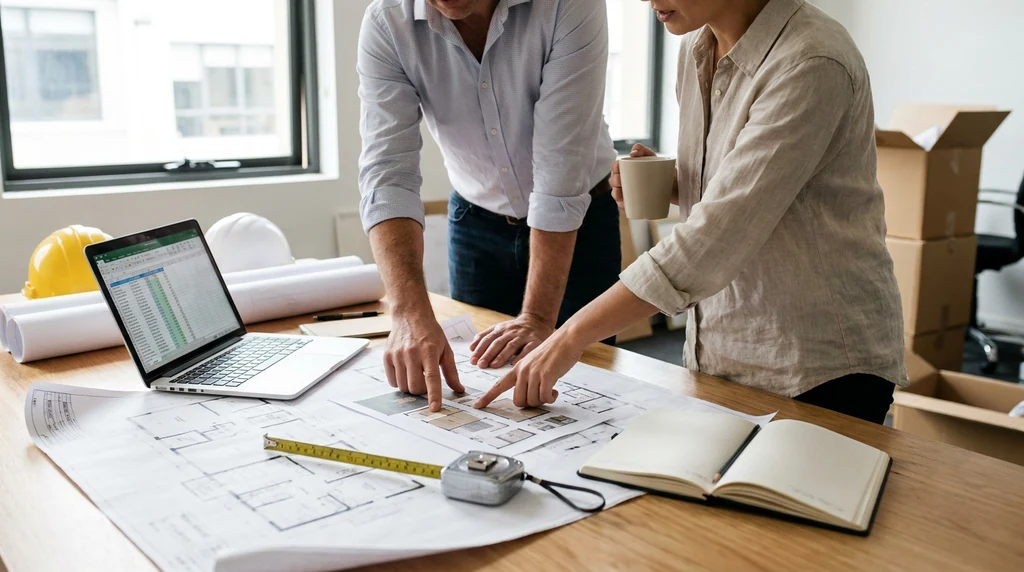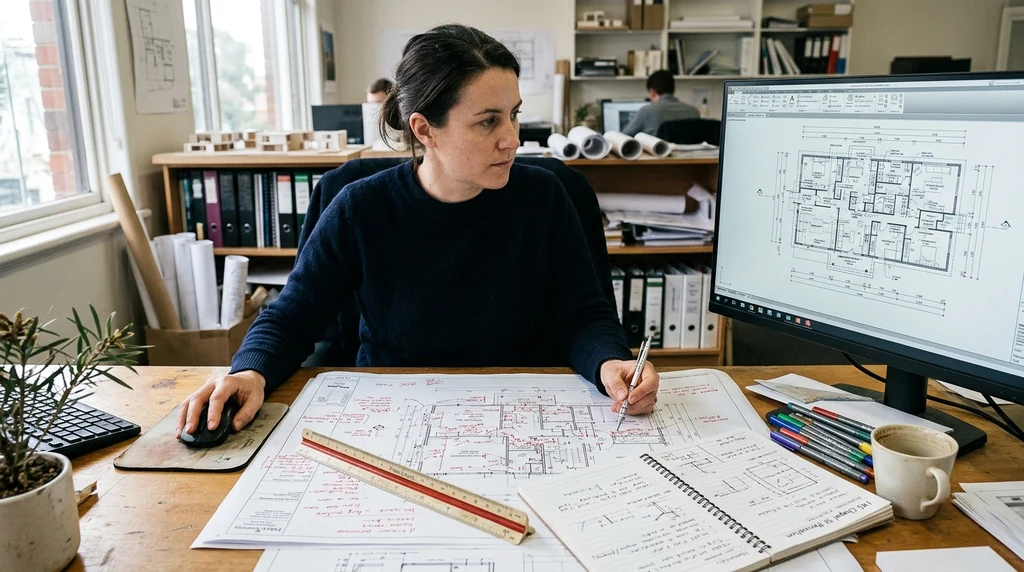
Starting a construction or renovation project in Melbourne is exciting, but the outcome often depends on one early decision: who you choose to design your building. A good building designer will translate your ideas into a practical, well-documented plan that a builder can actually construct, while also helping you navigate local council requirements. Choosing the wrong fit can lead to delays, redesigns, or a home that doesn’t quite work for how you live.
This guide walks through the key things Victorian property owners should think about when selecting a building designer, whether you’re planning a new home, an extension, or a renovation.
Start With a Clear Brief
Before you approach any designer, take time to clarify what you actually need. Are you extending an existing home, subdividing a block, or building from scratch? Is the project residential or commercial? What’s your rough budget and timeframe?
A clear brief helps you find a designer whose experience matches your project. It also makes early conversations far more productive, since the designer can give you realistic feedback on what’s achievable rather than guessing at your intentions. If you’re unsure where to start, drafting support for renovations and extensions can help clarify scope before design work begins, particularly for projects involving existing structures or heritage overlays common across Melbourne suburbs.
Check Experience With Similar Projects
Not all building designers work across every project type. Some focus on new residential builds, others specialise in renovations, extensions, or multi-unit developments. Ask to see examples of work similar in scale and style to what you’re planning.
Experience with your specific council area is also worth asking about. Planning requirements, overlays, and typical processing times vary between municipalities across Victoria, and a designer familiar with your local council will usually anticipate issues before they become costly problems.
Communication Matters More Than You’d Think
A building designer needs to listen carefully to your brief and translate it into workable plans, not just impose a generic template. During early meetings, notice whether they ask thoughtful questions about how you use your space, your lifestyle, or your business operations if it’s a commercial project.
Good communication also means being upfront about constraints. If a designer flags a potential planning issue or a budget concern early, that’s a sign they’re being realistic with you rather than telling you what you want to hear. This honesty saves time and money later in the process.
Look at Design Approach and Documentation Quality
Review a designer’s previous drawings if you can. Are they clear, detailed, and easy to follow? Building designers who produce thorough documentation make life easier for builders, certifiers, and council assessors, which can reduce back-and-forth during approvals.
Design style matters too, but it shouldn’t be the only factor. A designer who can adapt their approach to your preferences, while still applying sound technical judgement, is more valuable than one who pushes a single aesthetic regardless of the brief.
A strong designer still needs a clear starting point. Custom home design brief elements helps organise the decisions that guide the design work from the first meeting.
Understand Their Process for Permits and Approvals
Most residential and commercial projects in Victoria require some form of planning or building permit. Ask your designer how they handle this process. Do they prepare documentation suitable for a private building surveyor or council assessment? Are they familiar with common requirements such as setbacks, overshadowing rules, or bushfire attack level assessments where relevant?
A designer who understands the permit pathway from the outset can structure drawings to meet these requirements the first time, rather than needing revisions after a knock-back.
Ask About Project Coordination
Some building designers work closely with a network of engineers, surveyors, and builders, while others operate more independently. If you don’t already have a builder lined up, a well-connected designer can point you towards trusted contractors suited to your project type and budget.
It’s also worth asking how they manage timelines during the design phase. Delays at this stage often flow through to the entire build, so a designer with solid project coordination habits can keep things moving.
Compare Value, Not Just Price
It’s tempting to choose the cheapest quote, but drafting and design costs are usually a small part of your overall project budget. A design that’s poorly documented or misses key planning requirements can cost far more to fix later than you’d save upfront. Ask each designer what’s included in their fee, such as the number of revisions, site visits, and whether permit liaison is covered.
Design choice and planning approval often overlap more than homeowners expect. Town planning in Melbourne explains the approval steps that can affect what your building designer can realistically draw.
Making Your Final Decision
Once you’ve spoken with a few designers, trust your instincts alongside the practical considerations. Choose someone whose experience matches your project type, who communicates clearly, and whose documentation gives you confidence the project will run smoothly through approvals and construction.
Taking the time to choose the right building designer at the outset sets the tone for the rest of your project, helping you avoid unnecessary delays and giving your builder clear, workable plans to bring your vision to life.