Townhouses continue to be a popular housing option across Melbourne, particularly in established suburbs where land is limited but demand for quality housing remains strong. For homeowners, developers and investors alike, understanding how townhouse design and planning works in Victoria can make the difference between a smooth build and a project bogged down by delays and redesigns.
This post looks at what townhouse design actually involves, the practical benefits of this housing type, and what to consider before you start drawing up plans for a townhouse development in Melbourne.
What Is Townhouse Design?
Townhouse design refers to multi-storey dwellings that share one or more walls with neighbouring units, each with its own entrance, outdoor space and title. Unlike apartments, townhouses typically offer the feel of a standalone home while making more efficient use of a block. In Melbourne, townhouse developments are common on subdivided blocks, corner lots and infill sites in middle-ring suburbs where medium-density housing is encouraged under local planning schemes.
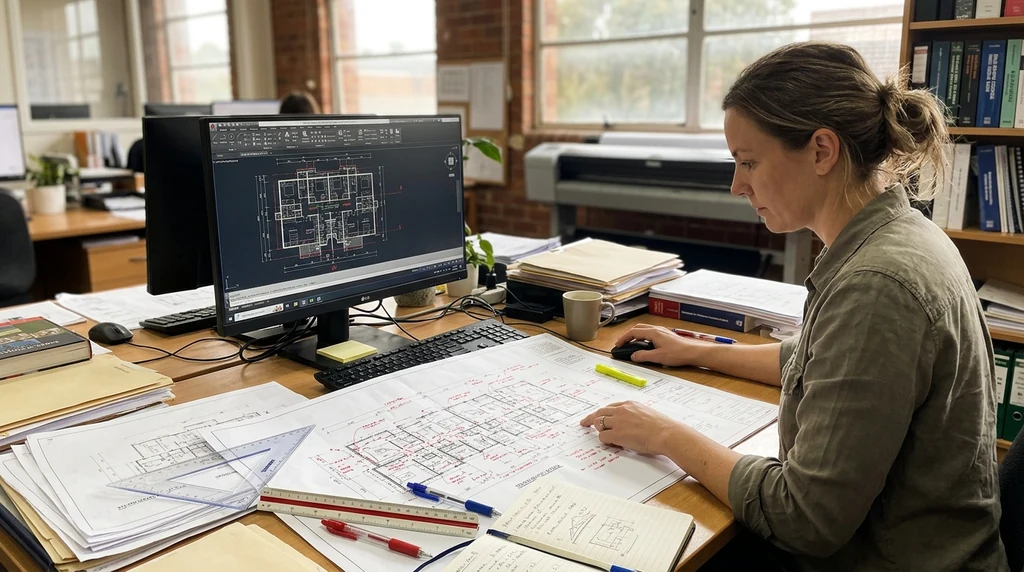
Getting the design right from the outset matters. Council overlays, setback requirements, and site-specific constraints such as easements or overshadowing rules can all shape what is achievable on a given block. This is where working with experienced Melbourne drafting services becomes valuable, as accurate drawings that account for these factors early on help avoid costly amendments further down the track.
Why Townhouses Remain a Practical Choice
There are several reasons townhouse developments continue to appear across Victoria, from single dual-occupancy projects to larger multi-lot subdivisions.
Efficient Use of Land
Townhouse designs make good use of vertical space, which suits the smaller lot sizes common in many Melbourne suburbs. A well-planned layout can deliver comfortable bedrooms, living areas and outdoor space across two or three levels without requiring a large footprint. This is particularly relevant for owners looking to subdivide an existing block or maximise the yield on a development site.
Lower Maintenance Requirements
Compared to a standalone home on a larger block, townhouses generally come with smaller gardens and less exterior upkeep. For owner-occupiers this can mean more free time, while for investors it often translates to lower ongoing maintenance costs and easier tenant turnover.
Suitability for Medium-Density Zones
Many parts of metropolitan Melbourne are zoned to encourage medium-density housing, and townhouses are often a natural fit within these planning frameworks. Councils across Victoria have policies supporting well-designed infill development, provided it responds appropriately to the character of the surrounding streetscape.
Key Considerations for Townhouse Planning in Victoria
Before finalising a townhouse layout, there are several practical matters worth thinking through.
- Site orientation and overshadowing: Townhouse designs need to consider how each dwelling receives natural light, particularly when units are built close together.
- Car parking and access: Local planning schemes typically set minimum parking requirements, and shared driveways or access points need to be designed carefully to work for all dwellings on the site.
- Setbacks and boundary conditions: Council requirements around building setbacks, private open space and overlooking can influence how many townhouses a site can accommodate and how they are arranged.
- Services and easements: Existing stormwater, sewer and drainage infrastructure on a block can affect where dwellings are positioned, so this needs to be checked early in the planning process.
- Streetscape and neighbourhood character: Many Victorian councils place weight on how new townhouse developments fit within the existing character of a street, which can shape material choices and building form.
Addressing these factors during the drafting stage, rather than after a planning application has been lodged, generally leads to a smoother approval process and fewer redesigns.
Townhouse projects carry extra planning pressure, especially when space is tight. Cost-effective drafting support for small businesses gives another angle on managing scope before the project becomes expensive to change.
Customisation Within a Townhouse Layout
One common misconception is that townhouse design is inherently restrictive. In practice, there is often plenty of room for personalisation within the constraints of the site and council requirements. This might include:
- Open-plan living and kitchen areas that suit modern lifestyles
- Rooftop terraces or courtyards where site conditions allow
- A study nook or home office, which has become increasingly requested in recent years
- Material and facade choices that help each dwelling feel distinct while still meeting council character requirements
Working through these options with a drafting professional early in the process helps balance personal preferences with what is realistically achievable given the site, budget and planning controls.
Why Accurate Drafting Matters for Townhouse Projects
Townhouse developments generally involve more complexity than a single dwelling, simply because there are multiple units, shared boundaries and often a subdivision process to manage. Accurate, detailed drawings help ensure:
- Each dwelling meets minimum internal amenity standards
- Building separation and privacy requirements are satisfied
- Council planning permit conditions are addressed before construction documentation is finalised
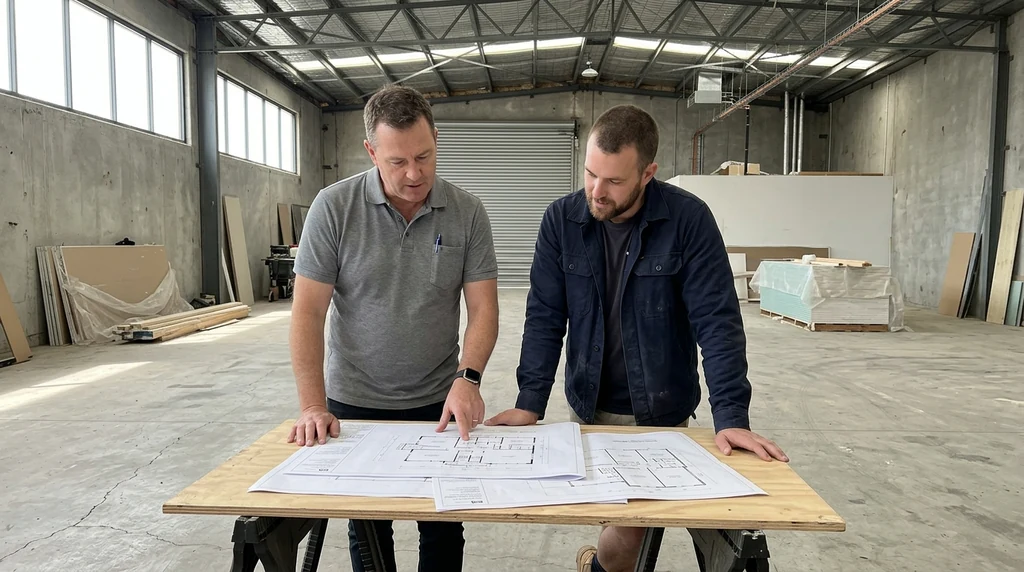
- Builders have clear, buildable plans that reduce the likelihood of variations during construction
For anyone planning a townhouse project in Melbourne, whether it is a single dual-occupancy site or a larger development, investing time in thorough planning and drafting at the outset tends to pay off through fewer surprises later in the build.
Planning a townhouse is easier when the idea can be explained clearly on paper. Architectural drafting and building dreams on paper looks at how drawings turn early thoughts into something a builder or consultant can respond to.
Final Thoughts
Townhouse living continues to suit a wide range of Melbourne homeowners and investors, offering a practical middle ground between standalone houses and apartment living. Getting the design and planning right from the start, with attention to site conditions, council requirements and long-term liveability, sets the foundation for a successful project. Taking the time to work through these details before construction begins remains one of the most effective ways to keep a townhouse development on track.