Planning a new home or a major renovation in Melbourne involves a lot of decisions, and it’s not always easy to picture how those decisions will look once the project is built. This is where 3D house designs have made a real difference for homeowners and builders alike. Instead of relying purely on flat plans, you can now see a realistic model of your home before construction begins.
For Victorian property owners working through council approvals, builder quotes and material selections, this extra clarity can make the whole process far less stressful. Below, we look at how 3D house designs work in practice and why they’re worth considering for your next project.
Why 3D Design Matters Before You Build
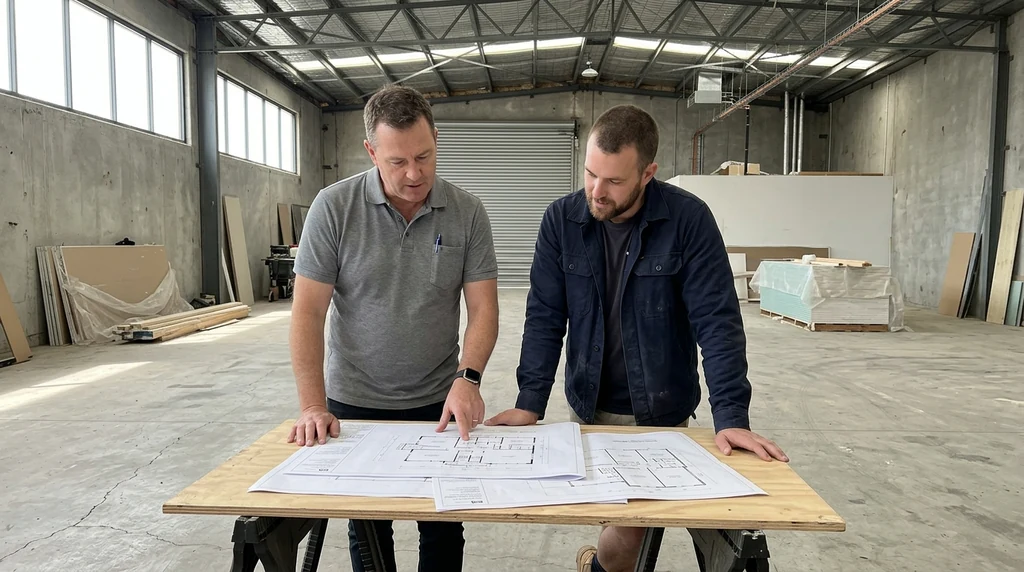
Traditional 2D floor plans are useful for tradespeople and councils, but they can be difficult for the average homeowner to interpret. Lines on a page don’t always translate into a clear sense of room proportions, ceiling heights or how natural light will move through a space.
If you’re at the early planning stage of a build, working with a team that offers residential drafting services means these visual tools can be built into your plans from the outset, rather than added on as an afterthought.
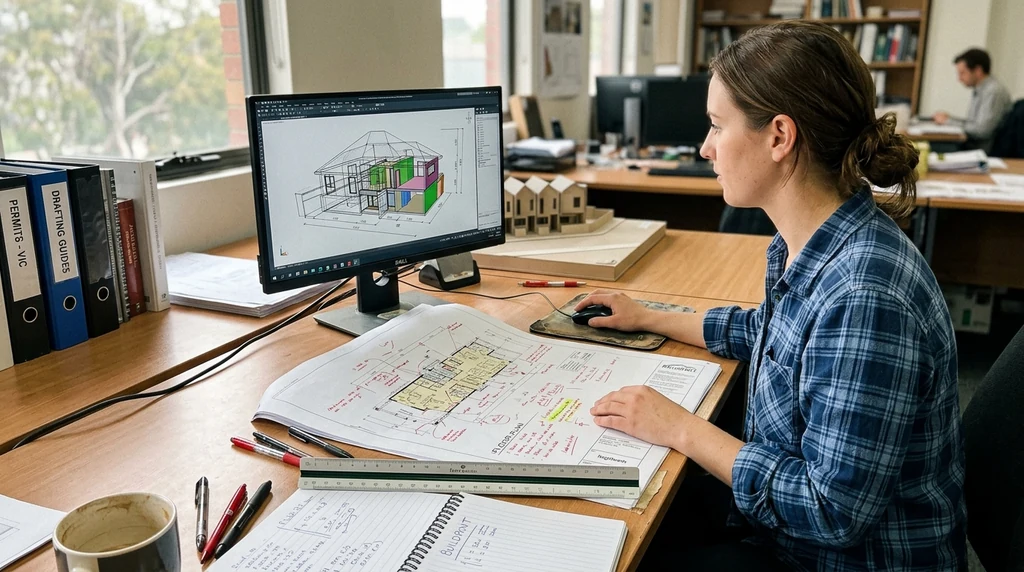
3D house designs solve this by giving you a virtual walkthrough of your home. You can look at room layouts from different angles, check sightlines between kitchen and living areas, and get a genuine feel for the scale of each space. This is particularly helpful for extensions and renovations, where new sections need to sit comfortably alongside existing rooms.
Fewer Costly Changes During Construction
One of the most practical benefits of 3D design is the ability to make changes before the build starts, rather than during it. Once construction is underway in Melbourne, altering a wall position, window placement or room layout can mean delays, additional trades and unexpected costs.
With a 3D model, these decisions can be tested and adjusted on screen. You might trial a different kitchen layout, compare wall placements for a new bedroom, or check whether a proposed window will actually capture the light you’re after. This kind of iteration is far cheaper and faster than making the same changes once framing or brickwork is in place.
Practical Uses for Renovators
- Testing whether an extension will overshadow existing living areas
- Checking how a new staircase or hallway will affect traffic flow
- Comparing open-plan versus separated living and dining spaces
- Reviewing how a second storey addition will sit with the existing roofline
Better Communication With Builders and Certifiers
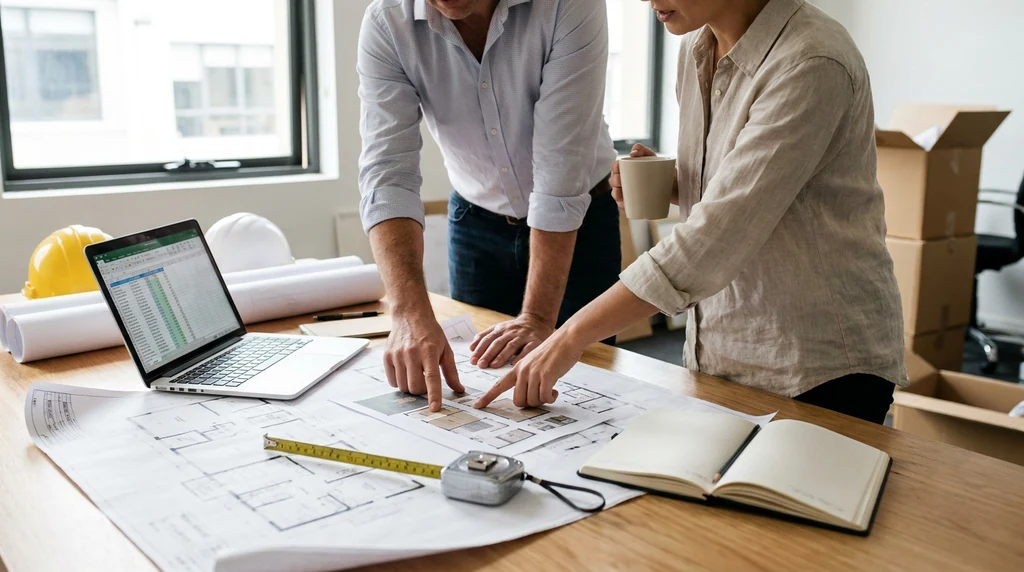
Construction projects involve several parties, including homeowners, drafters, builders and building surveyors. Miscommunication between these groups is a common cause of delays, particularly when everyone is interpreting a 2D plan differently.
3D house designs act as a shared reference point. When everyone involved in the project can view the same visual model, there is less room for misunderstanding. Builders can more easily identify structural requirements, while homeowners can confirm that the final design still reflects what they originally wanted. This is especially useful for Melbourne renovation projects, where existing structures and site constraints often require careful coordination between trades.
Getting a Realistic Sense of Materials and Finishes
Choosing materials is often one of the trickier parts of a build, since samples and swatches don’t always reflect how a finish will look at full scale. 3D visualisation allows you to see how flooring, cladding, cabinetry and other finishes might work together within the actual proportions of your home.
3D house design is more useful when the underlying floor plan is sound. Home floor plan drafting for beginners covers the basics that help you understand what the 3D model is showing.
While a 3D model won’t replace physical samples entirely, it does help narrow down choices before you commit. This is particularly useful in Victoria, where seasonal light changes can affect how certain colours and materials appear throughout the year. Seeing a rough representation of how morning or afternoon light might hit a living area can help you avoid finishes that look different once the home is complete.
Supporting the Planning and Permit Process
Melbourne and regional Victorian councils often require detailed plans as part of a planning permit or building permit application. While 3D designs are not a substitute for the technical drawings required by councils, they can support the broader design conversation by helping homeowners understand what is being proposed before drawings are finalised.
This is particularly helpful for owners who are unfamiliar with reading architectural plans, or who want to be confident about a design direction before paying for detailed working drawings. Having a clearer picture early on can reduce the number of revisions needed later in the drafting process.
Is 3D Design Right for Every Project?
Not every project needs an elaborate 3D model. A small bathroom renovation, for example, may not require the same level of visualisation as a full home rebuild or a two-storey extension. However, for larger projects, or for homeowners who find it difficult to visualise spatial changes from plans alone, 3D design can be a genuinely useful tool.
It’s worth discussing with your drafter or designer whether 3D visualisation makes sense for the scale and complexity of your specific project. In many cases, even a simplified 3D model of key areas, such as a kitchen or living space, can be enough to confirm design decisions before moving into detailed documentation.
Bringing It All Together
3D house designs have become a genuinely useful part of the planning process for many Melbourne homeowners. They offer a clearer way to visualise layouts, test design changes early, communicate with builders and certifiers, and get a more realistic sense of materials and finishes before committing to a final plan.
When the project starts needing more detail, outsourcing can be the cleaner option. Reasons to outsource drafting services explains why professional support can be worth it when accuracy and time matter.
If you’re planning a new build, renovation or extension in Melbourne or across Victoria, it’s worth discussing early design visualisation options as part of your overall drafting and planning process, so you can move into construction with greater clarity and fewer surprises.