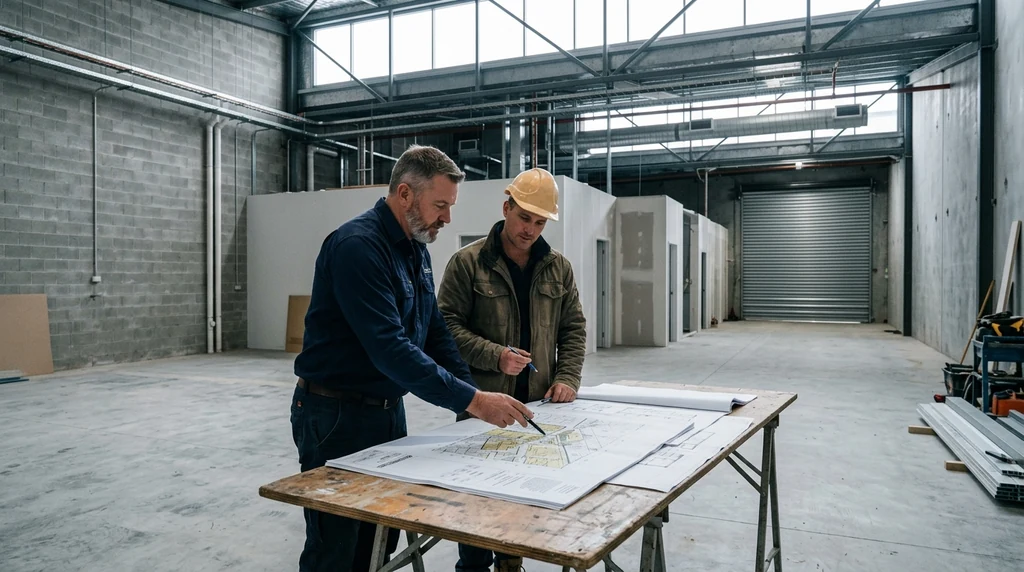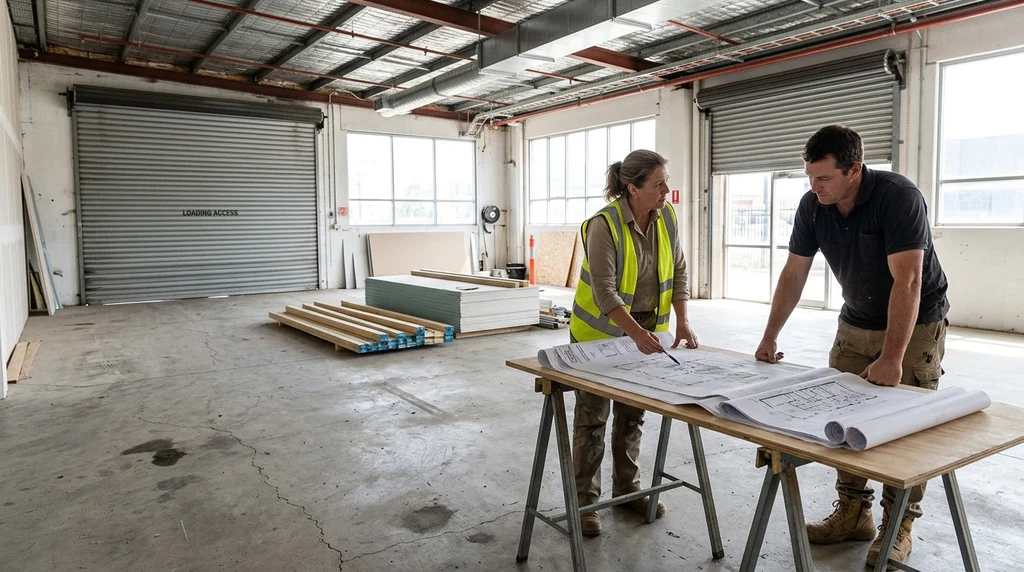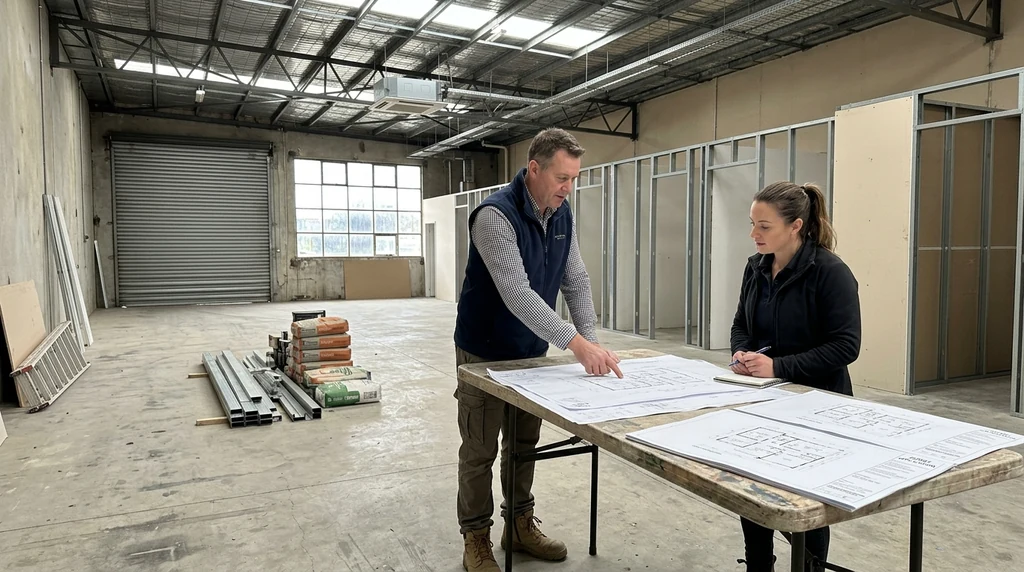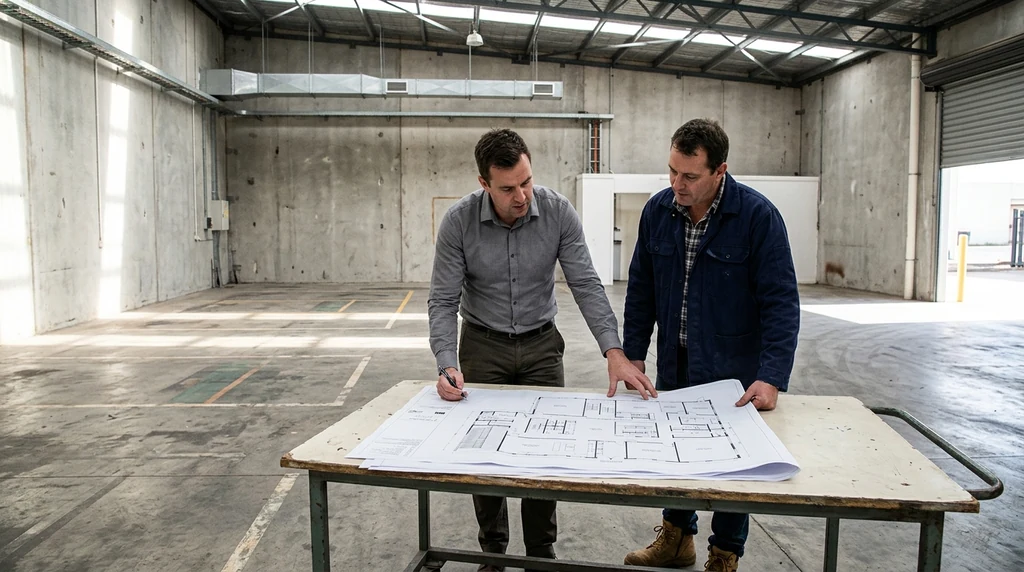
Retail spaces across Melbourne are under constant pressure to work harder. Rising rents, changing shopping habits and tighter margins mean that every square metre of a store needs to earn its keep. Good drafting is one of the practical ways retailers and property owners can get more out of an existing tenancy or a new fit-out, without necessarily expanding the footprint.
This post looks at how retail drafting supports better space use and customer flow, and why it’s worth involving a draftsperson early when you’re planning changes to a shop, showroom or commercial premises in Victoria.
Why Retail Layouts Need Careful Drafting
A retail fit-out is more than an arrangement of shelving and counters. It has to account for structural walls, services such as plumbing and electrical, fire egress requirements, and accessibility standards, all while creating a layout that feels open and easy to shop. Getting this balance right on paper before construction begins saves time and money once builders are on site.
If you’re planning a larger fit-out or a change of use for a commercial tenancy in Melbourne, it’s worth looking into commercial renovation planning early in the process, since council requirements and building regulations can shape what’s possible with the space.
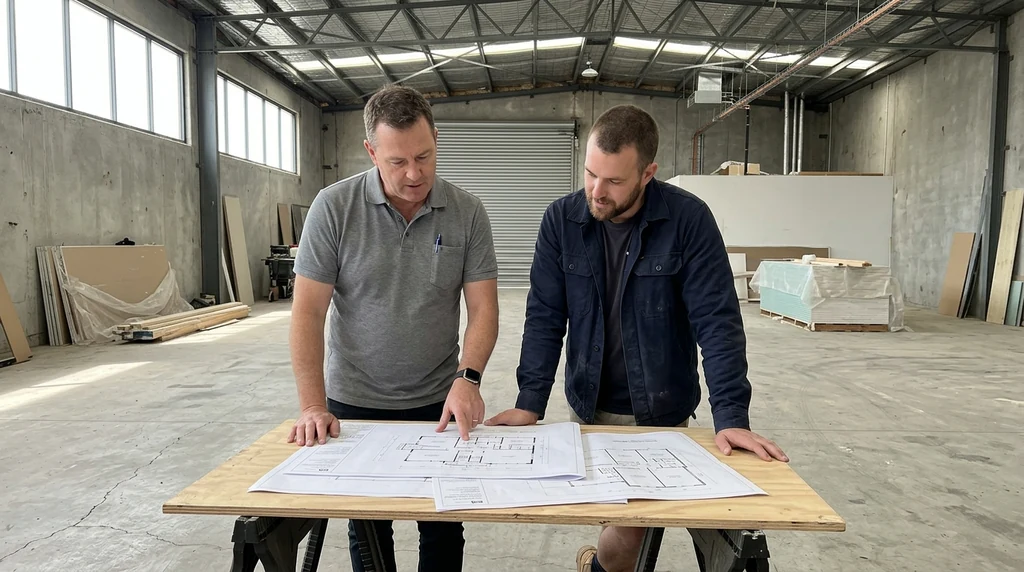
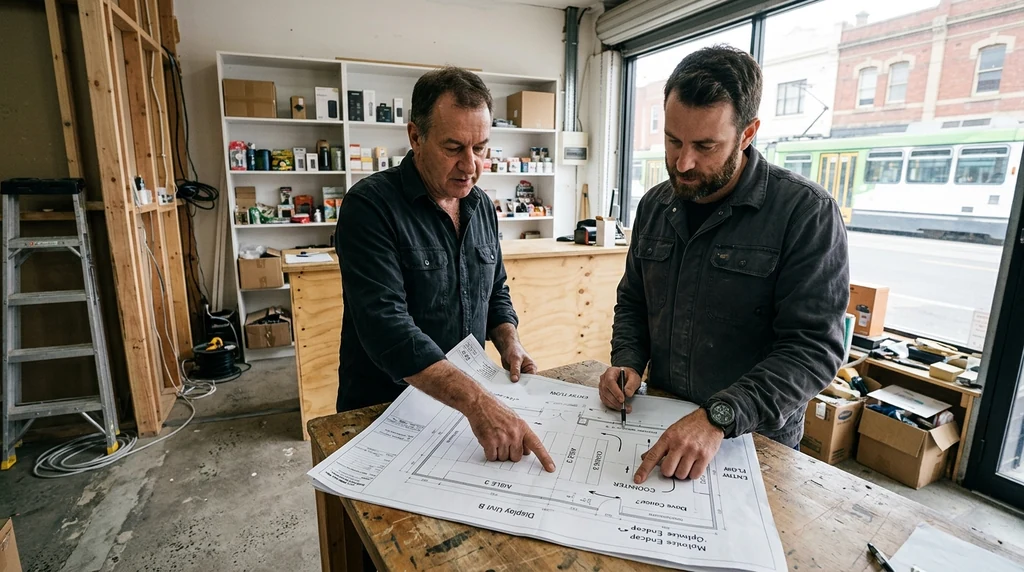
Draftspeople working on retail projects typically use software such as AutoCAD, Revit or SketchUp to produce accurate floor plans. These plans let you test different layout options, check that aisle widths and clearances meet requirements, and see how a design will actually look and function before any walls are moved or fixtures installed.
Making Better Use of Available Space
Space in a retail tenancy is rarely unlimited, particularly in strip shopping centres or older buildings common across inner and suburban Melbourne. Drafting helps identify where floor space, wall space and even ceiling height can be used more effectively.
Practical considerations in this stage usually include:
- Positioning of shelving, counters and display units to maximise usable floor area
- Aisle widths that meet accessibility requirements while still feeling open
- Storage and back-of-house areas that don’t eat into valuable customer-facing space
- Locations for point-of-sale counters, fitting rooms or service counters
- Sightlines from the entrance and street frontage
A well-drafted plan avoids a common problem in retail fit-outs: cramming in too much stock or fixtures at the expense of a comfortable shopping experience. Balancing product density with open space is a judgement call that benefits from experienced input rather than guesswork.
Planning Customer Flow Through the Store
How customers move through a store affects how much of the range they see, how long they stay, and how comfortable they feel browsing. Drafting plays a direct role in setting up this flow before construction starts.
Some of the more common layout approaches include:
- Grid layout – straight aisles suited to supermarkets and stores with a large, organised product range
- Free-flow layout – a more open arrangement often used in fashion or boutique retail, encouraging browsing
- Loop or racetrack layout – a defined path that guides customers past most of the store before reaching the checkout
The right approach depends on the type of business, the products on offer, and how customers typically shop. Draftspeople also consider practical details such as door swing, emergency exit paths, and clear sightlines to signage or key displays, all of which need to work within the constraints of the existing building.
Working Within Existing Buildings
Many retail fit-outs in Melbourne take place in existing tenancies rather than new-build shells. This brings its own set of challenges, including structural walls that can’t be moved, existing services in fixed locations, and heritage overlays that may apply to older shopfronts in certain municipalities.
A draftsperson familiar with Victorian building requirements can help identify what’s achievable within these constraints early on, rather than discovering limitations partway through a project. This is particularly relevant for older buildings in areas such as the CBD, inner suburbs and established shopping strips, where planning overlays or heritage considerations can affect what changes are permitted to a shopfront or internal layout.
Documentation That Supports Approvals and Construction
Beyond the layout itself, drafting produces the documentation needed to move a project forward. This typically includes detailed floor plans, elevations, and specifications that builders can work from, as well as the drawings often required for council permits or building approvals.
Having this documentation prepared properly reduces the risk of delays or unexpected costs during construction. It also gives business owners a clearer picture of what the finished space will look like before committing to a build, which is useful when budgeting for a fit-out or renovation.
Retail drafting is only useful if it leads to a layout customers can move through easily. Retail store layout design considerations explains the choices that affect flow, product placement and the way people use the space.
Getting the Most from a Retail Fit-Out
Retail store drafting is a practical step for any business or property owner looking to make better use of a commercial space in Melbourne. Whether you’re refreshing an existing store, converting a tenancy for a new use, or planning a larger renovation, thoughtful drafting helps balance the competing demands of storage, display, customer comfort and regulatory requirements.
Involving a draftsperson early in the process gives you a clearer view of what’s achievable within your space and budget, and helps ensure the final layout supports both day-to-day operations and the customer experience you’re aiming for.