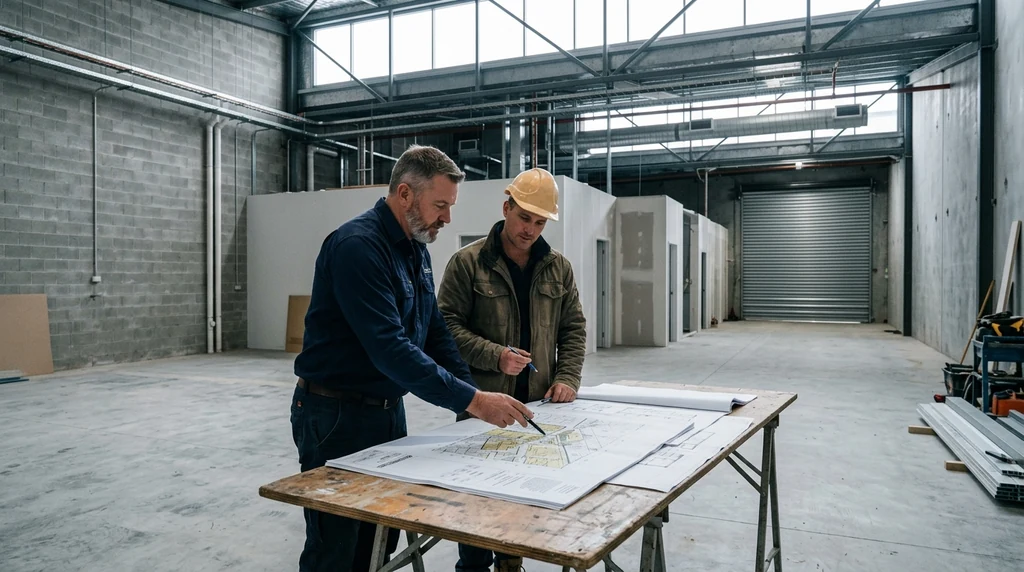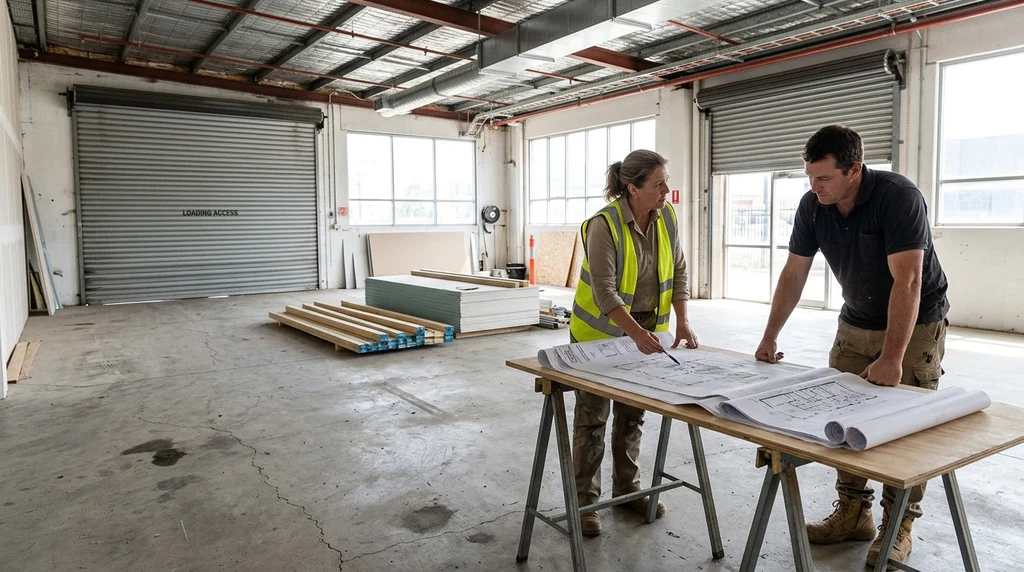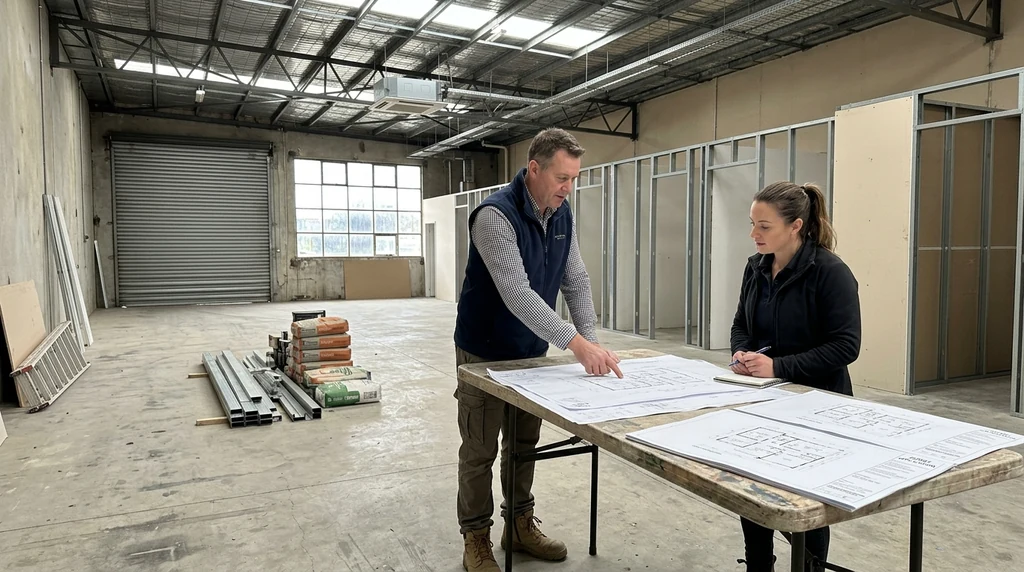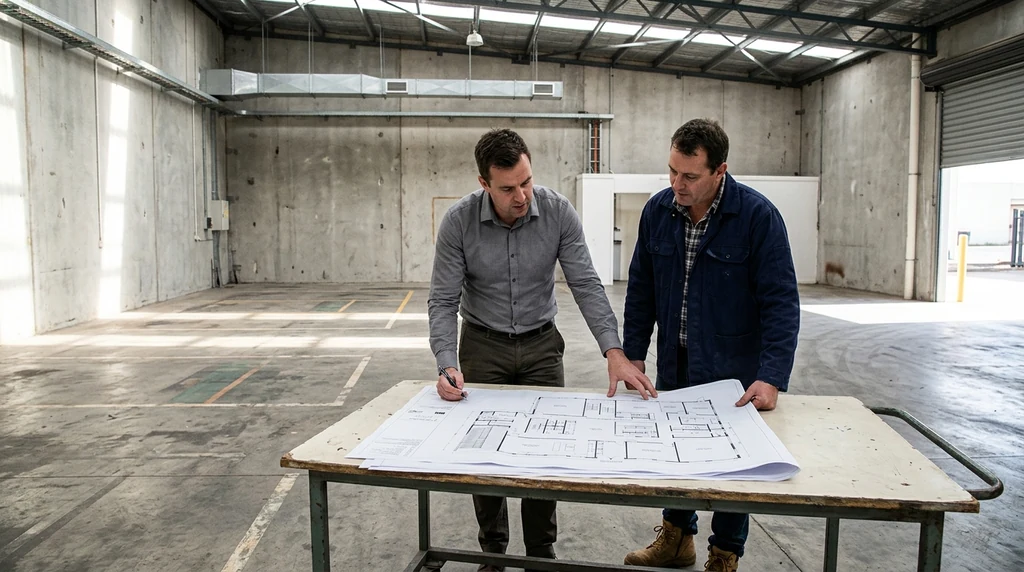
Accurate interior drafting is the groundwork for any successful renovation or fit-out. Whether you’re planning a kitchen redesign, a full home renovation, or a commercial interior upgrade, the quality of your drafts affects everything downstream, from council approvals to how smoothly your builder can price and construct the job. For Melbourne property owners, choosing the right drafting service is a decision worth taking seriously.
This post covers five practical tips to help you find a drafting service that suits your project, along with what to look for before you commit.
1. Look for Relevant Experience
Not all drafting work is the same. Someone experienced in commercial fit-outs might not have the same familiarity with residential extensions, and vice versa. When assessing a Melbourne drafting service, ask about their background with projects similar to yours, whether that’s a period home renovation, a new kitchen layout, or a small business interior.
Buildpoint provides drafting support for renovations and extensions across Melbourne, working alongside homeowners and builders to produce drafts that are ready for approval and construction.
Experience also matters when it comes to understanding local planning requirements. Victorian councils each have their own quirks around permits and overlays, and a drafter who’s worked across different municipalities will generally have a better handle on what’s required before construction can begin.
2. Check Their Software and Documentation Standards
Modern drafting relies on software such as AutoCAD, SketchUp, or Revit to produce clear, accurate 2D and 3D representations of a space. Ask what software the drafter uses and whether they can provide documentation in a format your builder, certifier, or council will accept.
This matters more than it might seem. Drafts that are inconsistent or missing key details can cause delays further down the track, particularly if a certifier sends the paperwork back for corrections. A drafter who understands what local certifiers and builders expect to see will save you time and back-and-forth.
Why This Matters for Renovations
For renovation and extension projects specifically, drafts need to reflect existing structures accurately before new work can be planned around them. This often means site measurements, checks against existing plans (if available), and coordination with any structural elements that might affect the new layout.
3. Review Past Work and Project Types
Ask to see examples of previous drafting work, ideally projects similar in scale or style to yours. This gives you a sense of how the drafter approaches different spaces and whether their attention to detail matches what you’re after.
Interior drafting is stronger when the technical output is clear. What to look for in a CAD drafting service helps you check drawing quality, file handling and communication before the project moves ahead.
If you’re renovating an older Melbourne home, for example, it helps to see examples of work involving similar constraints, such as heritage overlays, narrow blocks, or existing structural limitations. If your project is a commercial fit-out, look for examples that reflect the functional and compliance requirements of that setting.
4. Ask About Their Process for Council and Permit Requirements
Many renovation and extension projects in Victoria require planning or building permits before work can start. A drafter who understands the general permit process can help ensure your plans are structured correctly from the outset, reducing the likelihood of delays or requests for amendments.
This doesn’t mean the drafter is responsible for approvals themselves, that’s typically the role of a building surveyor or certifier, but their drafting should support a smooth approval process rather than complicate it.
5. Prioritise Clear Communication
Good drafting work depends on a clear back-and-forth between you and the drafter. You want someone who listens to what you’re trying to achieve, asks the right questions, and keeps you updated as the drafts develop.
Before committing, it’s worth asking how they handle revisions, how often you’ll receive updates, and what the typical turnaround time looks like for a project of your size. A drafter who communicates well early on is more likely to deliver drafts that match your expectations without excessive rework.
A good interior plan also depends on the brief given at the start. Key elements of a custom home design brief outlines the details that help a designer understand lifestyle, priorities and constraints.
Bringing It All Together
Choosing the right interior drafting service in Melbourne comes down to matching experience, technical capability, and communication style to the needs of your specific project. Renovations and extensions in particular benefit from a drafter who understands both the practical side of construction and the administrative requirements around permits and approvals.
Taking the time to check a drafter’s background, review their past work, and ask clear questions upfront will help ensure your interior project starts on solid footing, and stays that way through to construction.