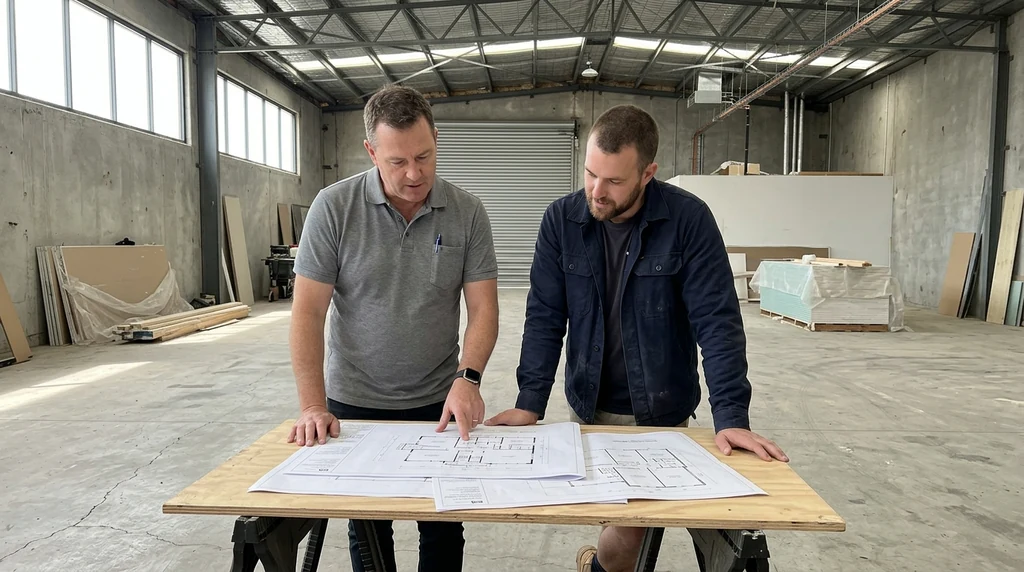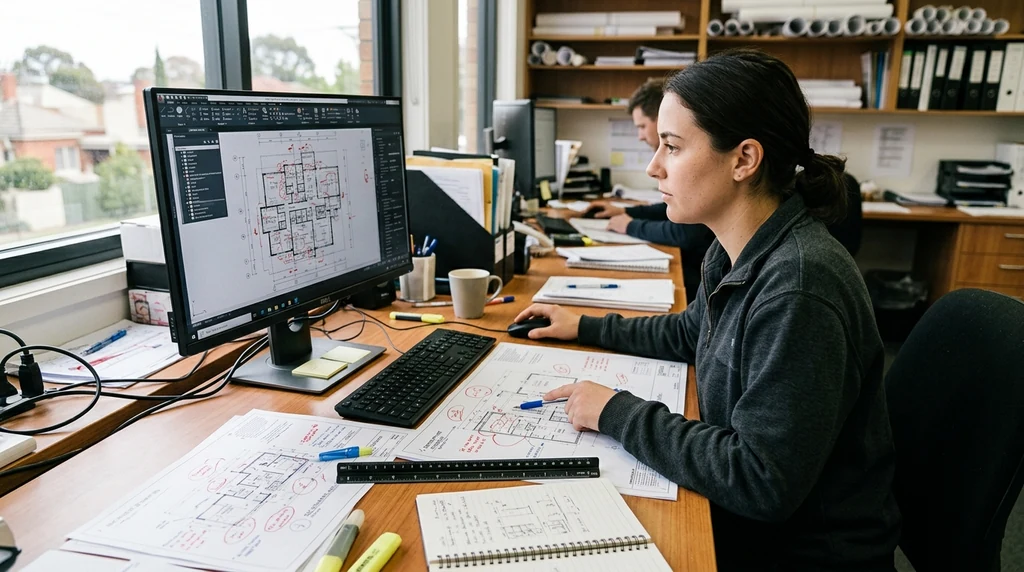
Choosing the right draftsman can make a real difference to how smoothly your building project runs, whether you’re planning a new home, an extension, or a renovation in Melbourne or regional Victoria. Draftsmen are responsible for translating your ideas into accurate, buildable plans that meet local council requirements, and getting this stage right sets the tone for everything that follows.
With so many drafting services available across Victoria, it can be difficult to know what separates a genuinely capable draftsman from someone who might leave you with delays, errors, or rejected permit applications. Below are five practical tips to help you make an informed decision.
1. Check Their Technical Expertise
A skilled draftsman needs more than a general understanding of drawing software. Look for someone comfortable using industry-standard tools such as AutoCAD or Revit, and who understands how these programs apply to residential or commercial projects in your area.
Buildpoint’s residential drafting services are built around this kind of technical grounding, combining accurate drawing production with an understanding of what Victorian councils expect from a permit-ready set of plans.
It’s equally important that they understand the National Construction Code, relevant Australian Standards, and Victorian planning overlays that might affect your site. A draftsman who is familiar with local council requirements across Melbourne’s various municipalities will generally produce documentation that moves through the approval process with fewer hold-ups.
2. Review Their Experience and Past Work
Experience matters, particularly when your project involves site constraints such as sloping blocks, heritage overlays, or tight urban lots common in inner Melbourne suburbs. Ask to see examples of previous drafting work, and pay attention to projects with similarities to your own, whether that’s a single-storey extension, a knockdown rebuild, or a multi-unit development.
A draftsman with a broad portfolio across different property types is more likely to anticipate challenges specific to your site and design brief. Don’t be afraid to ask direct questions about how they approached tricky aspects of past projects, as this often reveals more than a polished portfolio alone.
3. Assess Their Attention to Detail
Even small drafting errors can lead to costly delays once construction begins. Incorrect measurements, missed setbacks, or inconsistent documentation between drawings can cause problems with builders, certifiers, or council assessors.
When speaking with a potential draftsman, ask how they check their own work before it’s issued. Do they have a process for reviewing drawings against site surveys, engineering details, and planning conditions? A methodical approach to quality control is a good sign that the finished plans will hold up under scrutiny.
Choosing a draftsman is easier when you can explain what needs to change in the home. Interior drafting services that transform Melbourne homes gives practical examples of how drawings can improve layout, flow and use of space.
4. Look for Clear Communication and Collaboration
Drafting rarely happens in isolation. Your draftsman will likely need to liaise with builders, surveyors, engineers, and sometimes council planners throughout the project. Choose someone who explains technical details in plain language and keeps you informed at each stage, rather than leaving you guessing about progress or next steps.
Good communication also matters when changes are needed. Renovations and new builds often go through revisions as budgets, site conditions, or planning feedback come into play, so a draftsman who responds promptly and clearly to these changes will save you time and frustration.
5. Consider Their Adaptability and Problem-Solving Approach
Melbourne’s mix of established suburbs, growth corridors, and varying planning overlays means every site brings its own set of challenges. A draftsman who can adapt to unexpected issues, such as a change in site conditions or a council request for amended plans, will help keep your project moving rather than stalling at the first obstacle.
Ask about how they’ve handled demanding projects in the past, particularly where plans needed to be reworked due to planning constraints or client changes. Their answer will give you a good sense of how they’ll handle your own project if things don’t go entirely to plan.
Getting Your Drafting Right From the Start
Taking the time to properly vet a draftsman before committing to a project is one of the most useful steps a Melbourne property owner can take. Strong technical knowledge, relevant experience, careful attention to detail, clear communication, and the ability to adapt when circumstances change are all signs of a draftsman who will support your project rather than complicate it.
Clear drawings make it easier to compare ideas, but some projects need more than flat plans. 3D visualisations in architectural design show how clients can see proportions and finishes before committing to the build.
Whether you’re planning a renovation, a new home, or a small commercial fit-out, working with a drafting team that understands Victorian regulations and local council processes can help your project move from concept to permit with far fewer surprises along the way.