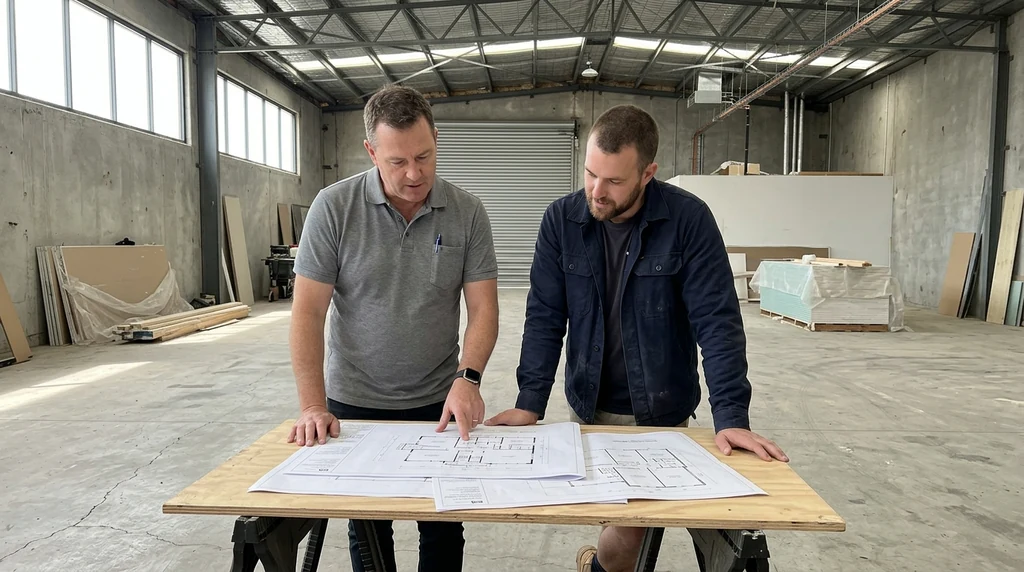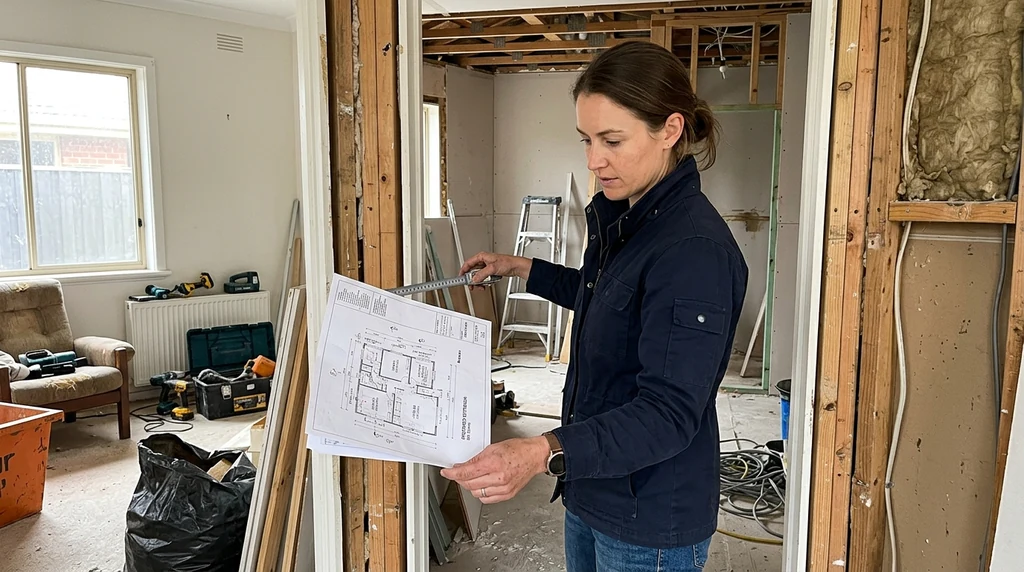
Starting a home renovation is exciting, but it can quickly become confusing if your ideas aren’t communicated clearly to the people drawing up your plans. Whether you’re extending a Victorian weatherboard in the inner suburbs or reworking a 1970s brick veneer further out, the way you brief your drafting professional has a direct impact on the final design, the approval process, and how smoothly the project runs on site.
Many Melbourne homeowners assume drafters can simply interpret a vague idea and turn it into a workable plan. In reality, the more specific and organised you are upfront, the fewer revisions, delays and misunderstandings you’ll face later. This is especially true given the range of overlay requirements, heritage considerations and council rules that apply across different Victorian municipalities.
Buildpoint offers residential drafting services for homeowners across Melbourne, and we regularly work with clients who are navigating this process for the first time. Below are some practical ways to make sure your renovation vision translates properly onto paper.
Start With Clear Goals, Not Just a Wish List
Before your first meeting with a draftsperson, think about the underlying purpose of your renovation. Are you trying to create more living space for a growing family? Improving natural light and ventilation in an older home? Adding a second storey to make the most of a smaller block? Knowing the “why” behind your project helps your drafter prioritise decisions when trade-offs are needed, such as balancing room size against setback requirements or overshadowing rules that apply in many Melbourne councils.
Bring Visual References, Not Just Descriptions
Words like “modern” or “spacious” mean different things to different people. Photos, saved images from Pinterest or Instagram, or even torn-out magazine pages give your drafter something concrete to work from. If you’ve seen a kitchen layout, roofline or window style you like in a home nearby, take a photo of it. Visual references reduce back-and-forth and help avoid a design that doesn’t match what you actually pictured.
Talk Through Your Daily Routine
A renovation should suit how you actually live, not just how a floor plan looks on paper. If you cook often, a larger kitchen bench or better pantry storage might matter more than an extra living area. If you work from home, a quiet study away from the main living zones could be a priority. Sharing these day-to-day details gives your draftsperson the context needed to shape a floor plan that works for your household, not just a generic layout.
Be Upfront About Your Budget
Budget conversations can feel awkward, but they’re essential. Your budget affects the scale of the renovation, the materials that are realistic to specify, and how ambitious the design can be. A clear budget range allows your drafter to plan something achievable rather than presenting a concept that needs to be scaled back later, which often causes delays and added costs.
Renovation ideas are easier to explain when you can picture the space. 3D floor plan drafting shows how visual layouts can make feedback more specific before the design is locked in.
Use Specific Language, Not General Terms
Instead of saying “I want a modern kitchen,” try describing the actual features you’re after — for example, handleless cabinetry, a stone benchtop, or a particular tap style. The more specific you are, the less guesswork is involved. This also makes the blueprint review stage faster, since you’re refining details rather than starting from a broad concept.
Review Drafts Properly and Give Honest Feedback
Once drafts are underway, take the time to review them properly rather than giving a quick glance and moving on. Check room dimensions against your furniture, consider how you’ll move through the space, and think about how natural light will fall throughout the day. If something doesn’t feel right, say so early. Draftspeople expect feedback and revisions are a normal part of the process — it’s far easier to adjust a plan on paper than to change something once construction has started.
Make Use of Digital Tools Where Available
Many drafting professionals now use 3D modelling or rendering software that lets you view your renovation from different angles before it’s finalised. If this is offered, take advantage of it. Seeing a rough 3D version of your extension or new kitchen layout can highlight issues that aren’t obvious on a flat floor plan, such as awkward ceiling heights or a doorway that doesn’t quite work.
Understand How Local Rules May Affect Your Design
Melbourne’s diverse mix of heritage overlays, bushfire-prone areas, and council-specific planning requirements means that what’s straightforward in one suburb might need extra approval steps in another. Being aware that these factors exist — even if you don’t understand the finer details — helps you ask better questions during the drafting process and understand why certain design choices are suggested.
Keep the Conversation Going Throughout the Project
Good communication doesn’t stop once the first draft is approved. As the design develops, continue checking in, asking questions, and flagging any changes to your circumstances or preferences. A renovation plan often evolves over several rounds of drafting, and staying engaged throughout means the final result is far more likely to match what you originally had in mind.
Even a strong brief can run into design problems once the details are tested. Common building design issues in Melbourne looks at the problems that can appear before a project reaches approval or construction.
Bringing It All Together
Effective communication with your drafting professional comes down to preparation and clarity. Knowing your goals, gathering visual references, discussing your lifestyle, being honest about budget, using specific language, and staying involved throughout the review process all contribute to a smoother renovation journey. Melbourne homeowners who invest time in this upfront communication typically find the drafting stage moves faster and results in a design that genuinely reflects what they wanted from the start.