Every successful home renovation starts long before the first wall comes down. It begins with a blueprint that accurately captures the layout, structure and intent of the project. For Melbourne homeowners, getting this step right can mean the difference between a smooth build and a renovation plagued by delays, disputes and unexpected costs.
This post looks at why accurate blueprint creation matters so much in the renovation process, and what Victorian property owners should understand before engaging a drafting service.
What a Blueprint Actually Covers
A blueprint is a detailed technical drawing that shows a home’s layout from above, including walls, doors, windows, and the placement of electrical points, plumbing and structural elements. Draftspeople typically use software such as AutoCAD or Revit to turn a renovation concept into a working technical document that builders, engineers and certifiers can all read and act on.
At Buildpoint, our drafting work is built around producing permit-ready drafting plans that reflect both the homeowner’s brief and the requirements of local councils and building surveyors across Melbourne and Victoria.
Good blueprints do more than record what exists. They translate a homeowner’s ideas into a document that is practical to build from, while flagging any structural or regulatory issues early, before construction begins.
Why Accuracy Matters More Than Homeowners Expect
Small errors in a blueprint rarely stay small once construction starts. A wall drawn a few centimetres out of place, a missed structural beam, or an incorrect door swing can lead to on-site rework, wasted materials and extended timelines.
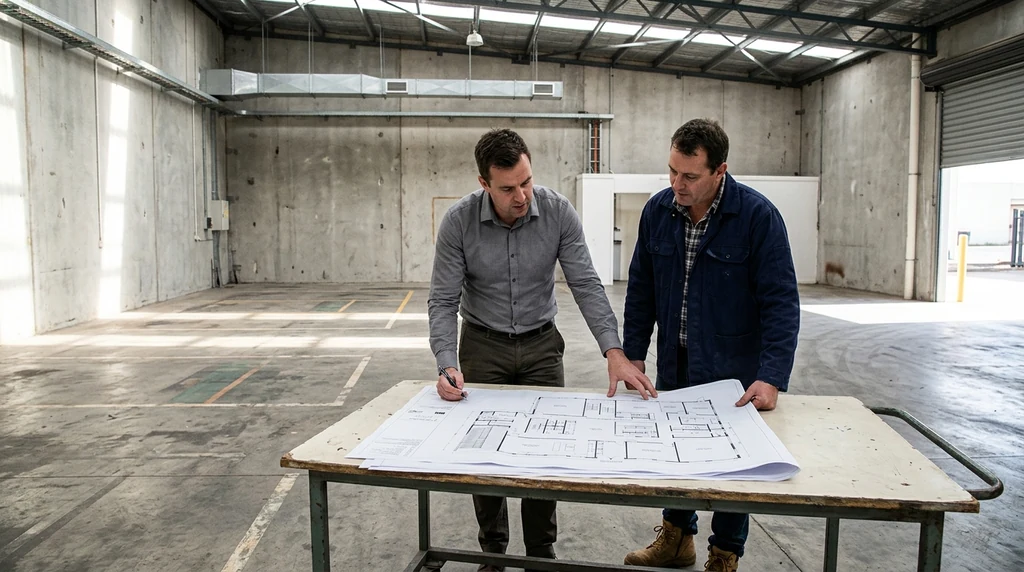
Accurate blueprints give everyone involved in a renovation, from architects and draftspeople through to builders and tradespeople, a shared reference point. This reduces the back-and-forth that often happens when plans are vague or incomplete, and it makes it easier to get realistic quotes for materials, labour and time.
Supporting Clear Communication
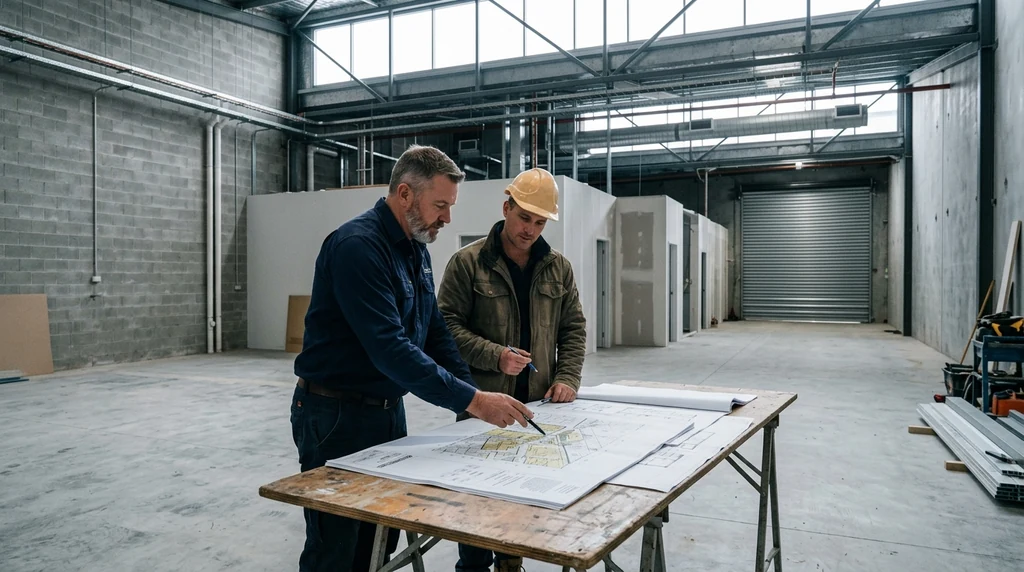
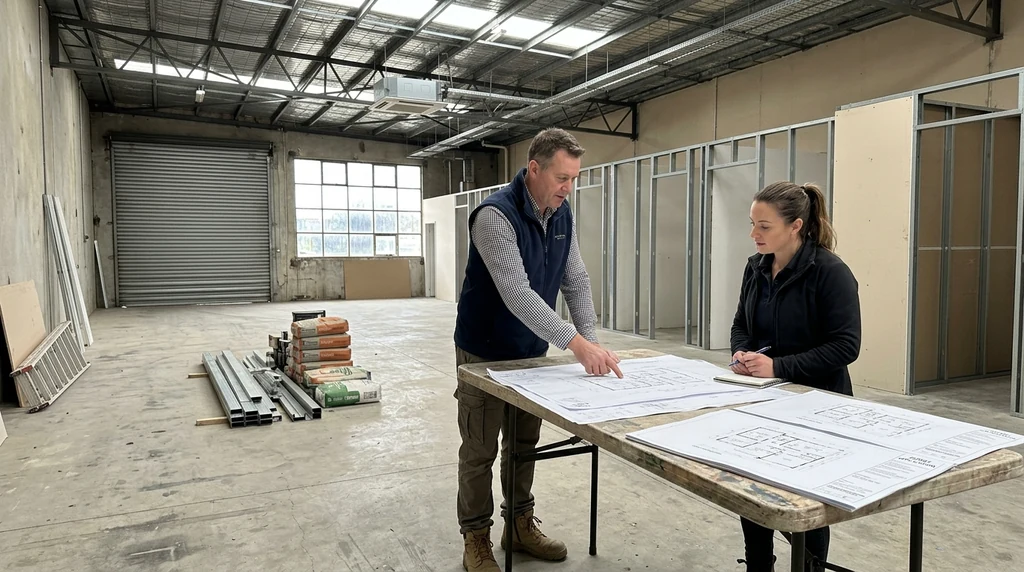
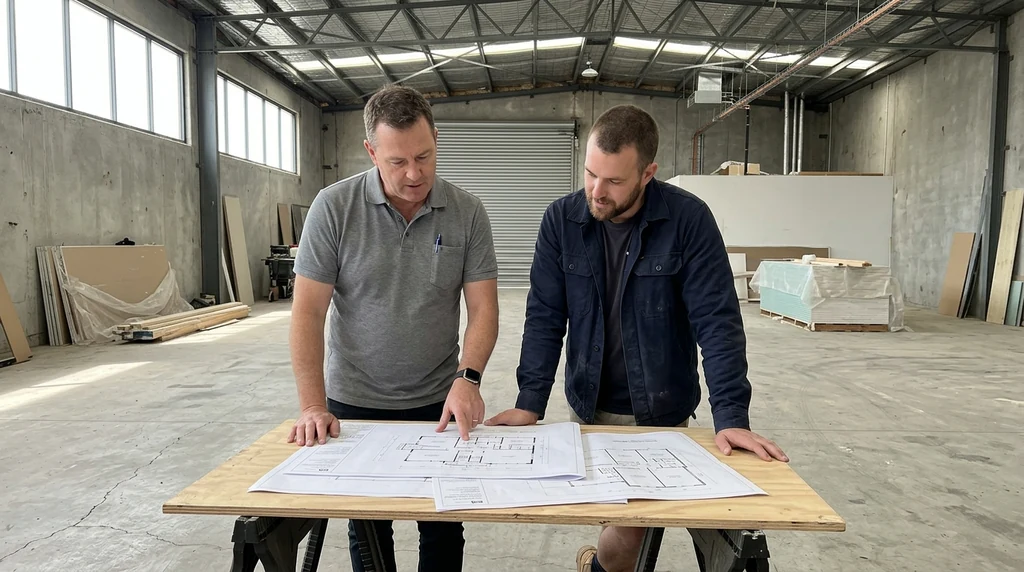
Renovation projects usually involve several parties: the homeowner, a draftsperson or architect, a builder, and various trades. A well-drawn blueprint acts as a common visual language between all of them. Instead of relying on verbal descriptions or rough sketches, everyone can refer to the same detailed drawing to understand exactly what is being built and where.
This is particularly useful in Melbourne, where renovation projects often involve period homes, tight blocks, or heritage overlays that require extra care in how changes are documented and communicated to council.
Reducing Construction Errors
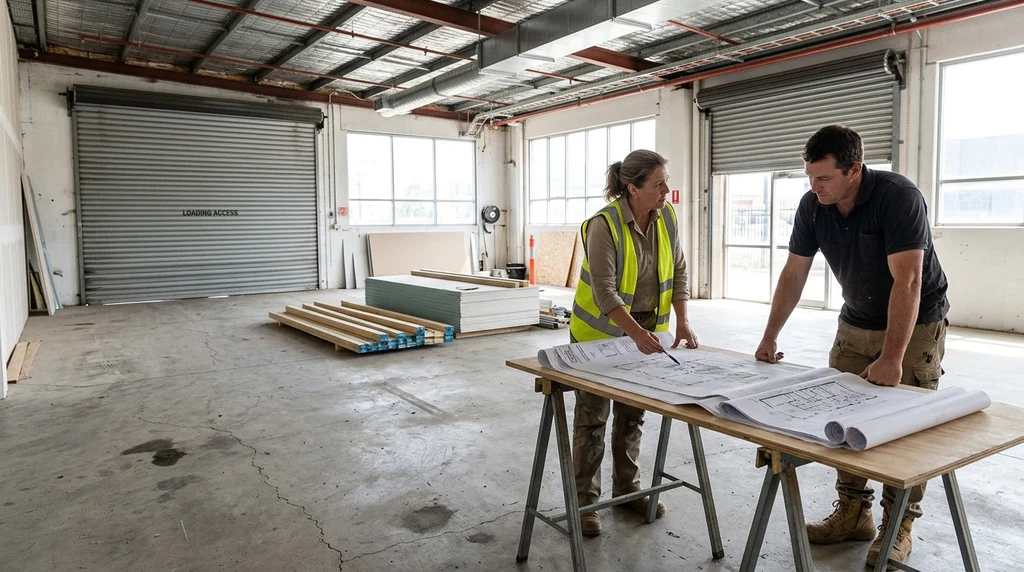
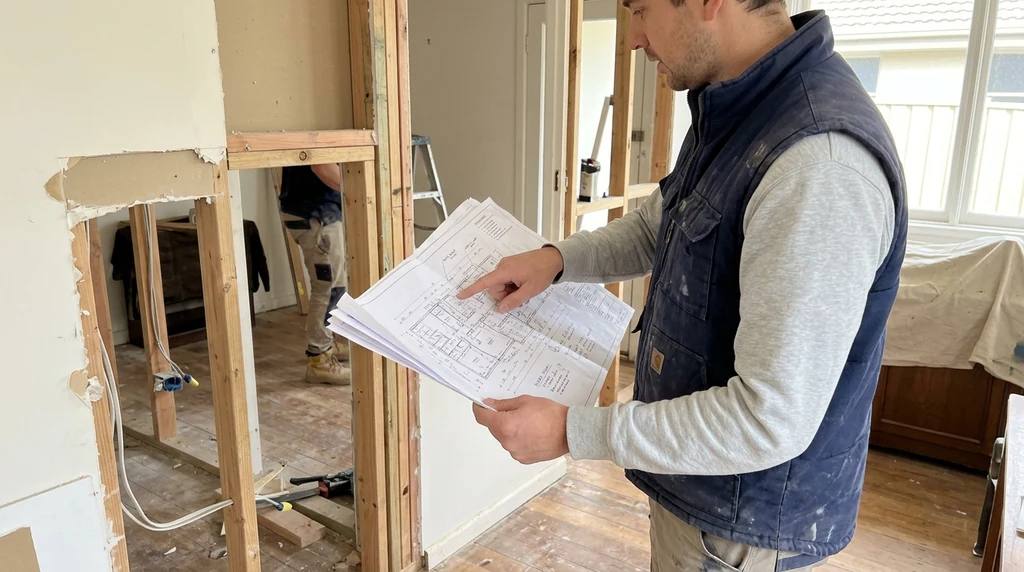
During construction, tradespeople rely on blueprints for exact measurements and positioning. Accurate drawings reduce the risk of costly mistakes, such as plumbing installed in the wrong location or electrical points that clash with cabinetry. When a blueprint is precise, builders can work with confidence, knowing the drawing matches what needs to be built on site.
Meeting Building Regulations in Victoria
Any renovation in Victoria needs to comply with the National Construction Code as well as relevant local council planning schemes. Accurate blueprints play a direct role in demonstrating this compliance, which in turn helps the approval process move along without unnecessary delays.
Renovation blueprints need more than neat lines on a page. Building drafting services shows how drafting turns the design idea into information the builder can actually use.
Drawings that clearly show structural details, dimensions and intended use of each space make it easier for building surveyors and council officers to assess a renovation application. When plans are unclear or inconsistent, it often results in requests for further information, which can add weeks to an approval timeline.
This is one of the reasons drafting work should be treated as a serious step in the renovation process, rather than a formality to rush through before construction begins.
How Accurate Drafting Improves Project Efficiency
Beyond compliance, accurate blueprints help renovations run more efficiently from start to finish. When a builder has a clear, detailed plan to work from, they can schedule trades, order materials and sequence tasks with far more certainty. This reduces the likelihood of idle time on site or last-minute changes that push out the project timeline.
For homeowners, this efficiency often translates into fewer unexpected costs. When a blueprint accounts for structural requirements, service locations and material specifications upfront, there is less room for the kind of on-site surprises that lead to variations and budget increases.
Practical Considerations Before You Start
If you are planning a renovation in Melbourne, it is worth keeping a few points in mind when engaging a drafting service:
- Confirm whether your renovation will require a planning permit or building permit, as this affects the level of detail your blueprint needs to include.
- Ask how the drafting service handles structural details, such as load-bearing walls, if your renovation involves removing or altering them.
- Check that your blueprint accounts for existing site conditions, including easements, boundary setbacks and any heritage overlays that may apply to your property.
- Discuss timeframes early, particularly if your renovation is time-sensitive or tied to other trades starting on a set date.
Taking the time to address these details at the drafting stage generally saves time and money later in the build.
Accurate blueprints can also help you decide when professional help is worth paying for. DIY versus professional interior drafting services weighs the trade-offs before you take on the drawings yourself.
Getting the Foundation Right
Accurate blueprint creation is not simply a technical formality. It shapes how well a renovation is communicated, how smoothly it moves through council approval, and how efficiently it comes together on site. Whether you are planning a modest update or a larger structural renovation, investing time in getting your drawings right at the outset sets a stronger foundation for everything that follows.
For homeowners across Melbourne and Victoria, working with a drafting service that understands local council requirements and construction practices can make the renovation process considerably more straightforward, from the first sketch through to the final permit.