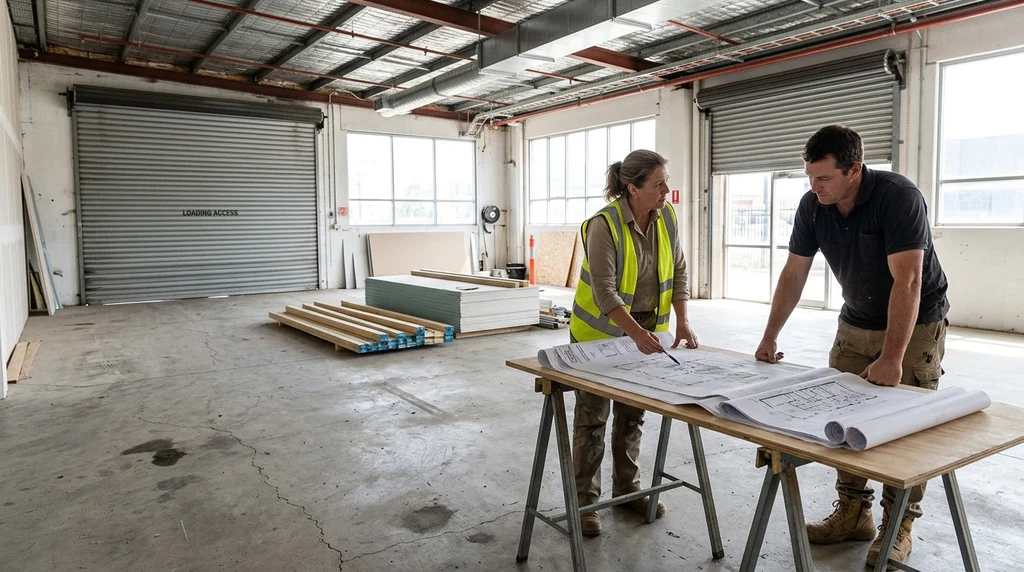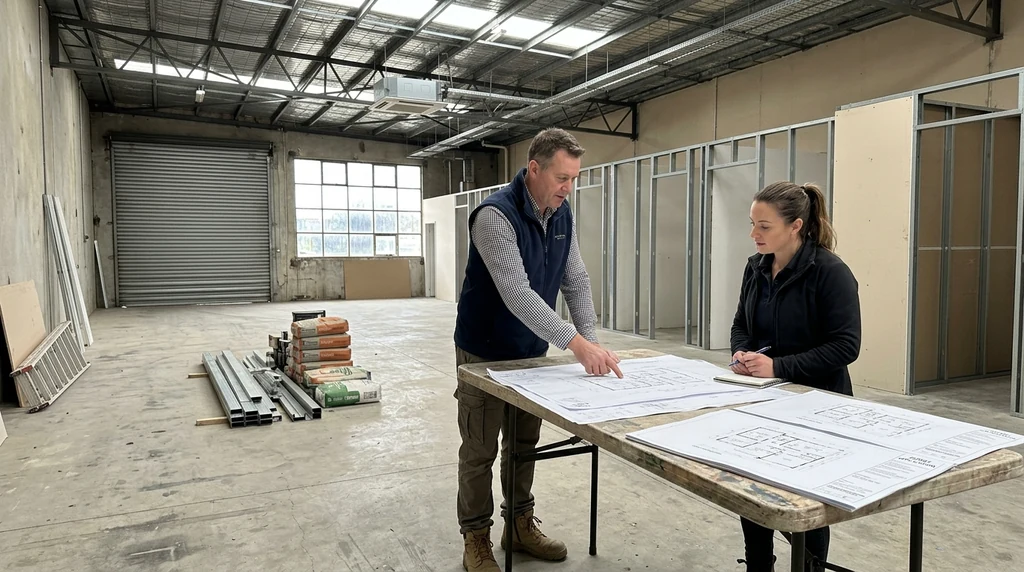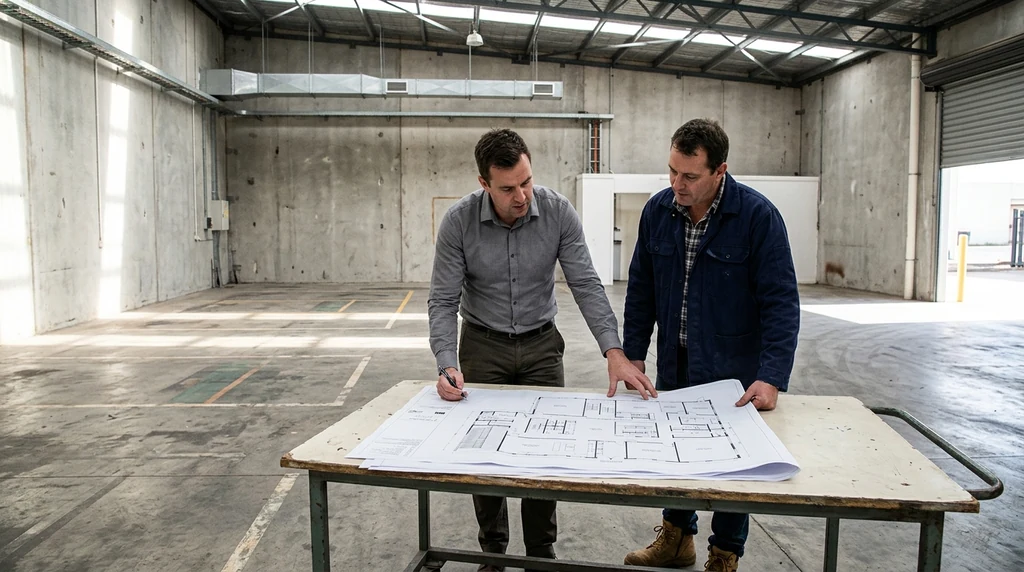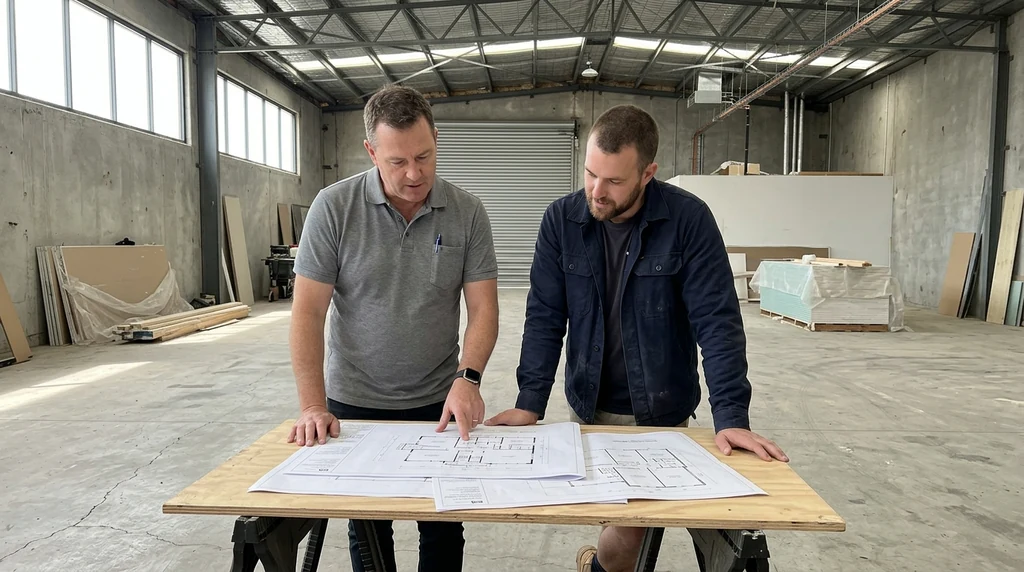
Choosing a drafting provider is one of the earlier decisions you’ll make on a build or renovation, and it tends to shape how smoothly everything else unfolds. Drawings that are unclear, inconsistent with council requirements, or slow to produce can hold up permits, confuse builders and add unexpected costs later in the project. Whether you’re planning a new home, an extension, or a commercial fit-out in Melbourne, taking time to properly assess a drafting provider before you commit is worth the effort.
Experience With Similar Projects
Drafting for a single-storey home extension is quite different to drafting for a multi-unit development or a commercial warehouse. Ask potential providers whether they’ve worked on projects of a similar scale and type to yours. A provider familiar with your specific project category is more likely to understand the common design considerations, structural constraints and typical council expectations relevant to that kind of build in Victoria.
This guide walks through the practical factors worth checking before you engage a drafting provider for your Victorian project. Buildpoint offers drafting services in Melbourne and works with clients across a range of residential and commercial projects, so we understand what property owners typically look for when comparing providers.
It’s also worth asking how long they’ve been operating in the Melbourne market specifically. Local experience matters because drafting decisions often need to account for council overlays, zoning rules and site-specific conditions that vary from one municipality to the next.
Technology and Drafting Tools
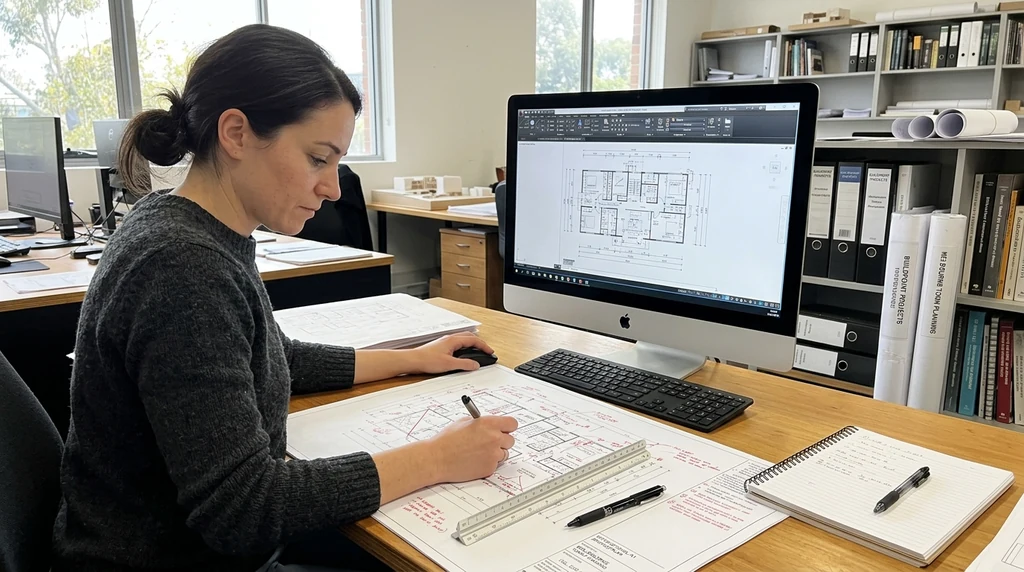
Most established drafting providers now use Computer-Aided Design (CAD) software as standard, and many also use Building Information Modelling (BIM) for more complex projects. These tools support greater accuracy, make it easier to spot clashes or inconsistencies before construction begins, and allow drawings to be updated efficiently if changes are needed.
Ask how a provider manages design changes. A provider working with modern software can usually update drawings and reissue them faster than one relying on outdated methods, which can matter if your project timeline is tight.
Reviewing Past Work
A provider’s portfolio gives you a practical sense of the quality and style of work you can expect. Look for a range of projects that demonstrates attention to detail, clear labelling and dimensions, and drawings that appear genuinely construction-ready rather than conceptual sketches.
If possible, ask to see drawings from a project similar in size or complexity to yours. This helps you judge whether the provider’s typical level of detail matches what your builder or certifier will expect to see.
Ability to Scale With Your Project
Some projects start small and grow in scope, while others require input from multiple disciplines at once. Ask whether the provider can adjust their service level if your project changes, and whether they coordinate with other consultants such as engineers or building surveyors when required. A provider who can flex their involvement as your project develops tends to cause fewer delays down the track.
Understanding of Victorian Building Requirements
Drafting for Melbourne and regional Victorian projects needs to reflect current planning and building regulations, including local council planning schemes and relevant Australian Standards. A provider familiar with these requirements is better placed to produce drawings that support a smoother permit process, rather than drawings that need significant rework once a building surveyor or council reviews them.
Provider evaluation starts with knowing what you should not handle yourself. DIY or professional interior drafting services helps weigh risk, cost and confidence before choosing a path.
This doesn’t mean any provider can promise a particular approval outcome, but a provider with solid local knowledge should be able to explain how their drawings are prepared with these requirements in mind.
Communication Throughout the Project
Drafting is rarely a single interaction. You’ll likely need to review drafts, request adjustments and ask questions as the project develops. Before engaging a provider, get a sense of how they communicate. Do they respond to enquiries promptly? Do they explain technical details in a way that makes sense to you? Will you have a consistent point of contact?
Clear, responsive communication reduces the chance of misunderstandings that can lead to costly redrafting later.
Turnaround Times
Ask for a realistic estimate of how long your drawings will take, based on the complexity of your project. Turnaround times can vary significantly depending on workload and project size, so it’s reasonable to ask directly rather than assume. A provider who gives you a vague or overly optimistic timeframe without understanding your project details is worth questioning further.
Handling of Your Project Information
Your drawings, site details and any supporting documents should be handled carefully. Ask how a provider stores project files and who has access to them. This is particularly relevant if your project involves sensitive commercial information or if multiple parties need controlled access to documents throughout the design and permit process.
Reputation and Client Feedback
Look for reviews or feedback from previous clients where available. While every project is different, consistent feedback about reliability, communication and quality of drawings can give you a more grounded sense of what to expect than marketing claims alone.
Pricing Structure and Transparency
Ask for a clear breakdown of costs before you commit, including what’s included in the initial fee and what might incur additional charges, such as revisions beyond an agreed number or changes to project scope. A transparent provider will walk you through this upfront rather than leaving you to work it out later. Comparing quotes is useful, but the cheapest option isn’t always the best value if it comes with limited revisions or slower turnaround.
Once you start comparing providers, it helps to look at the details behind their service. Key factors when choosing interior drafting services in Melbourne covers the practical checks that separate a good fit from a risky one.
Making Your Decision
There’s no single factor that determines whether a drafting provider is right for your project. It’s the combination of relevant experience, sound technical capability, clear communication and a genuine understanding of Victorian building requirements that tends to produce the smoothest outcome. Taking the time to ask the right questions upfront can save considerable time, money and frustration as your project progresses from concept through to construction.