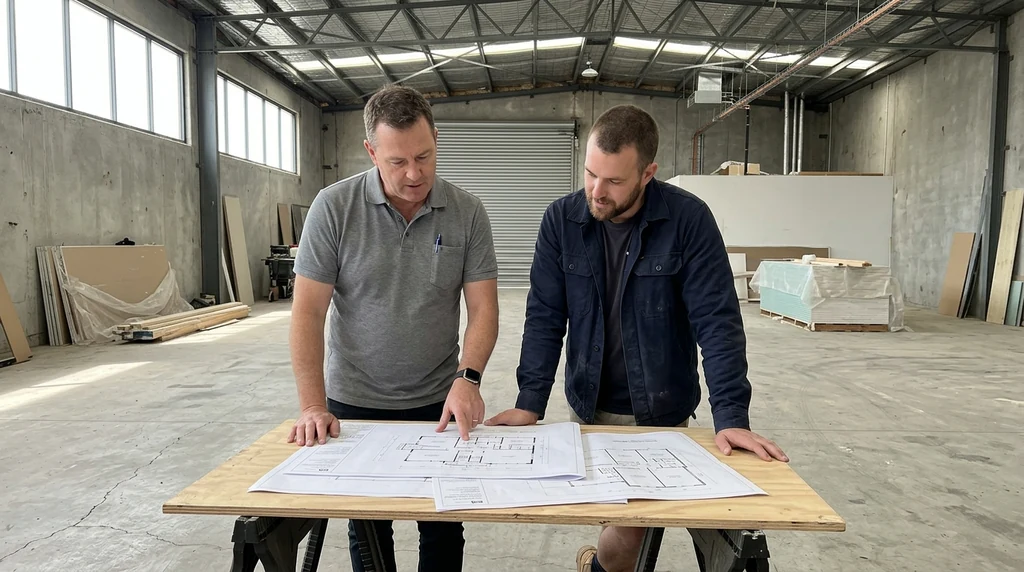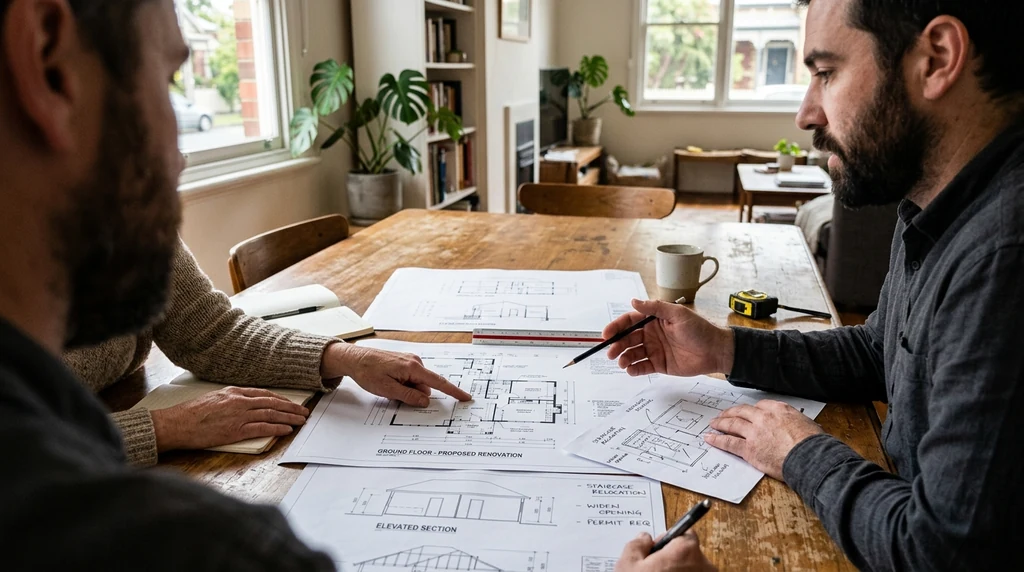
Home floor plan drafting has changed considerably over the past decade. What was once a purely paper-based process, relying on hand-drawn plans and lengthy revisions, has become faster, more precise and far more visual. For Melbourne homeowners planning a renovation, extension or new build, understanding these changes can help you get more value from the drafting stage of your project.
Digital Drafting Software Has Replaced the Drawing Board
Programs such as AutoCAD, Revit and SketchUp are now standard tools for drafting professionals across Victoria. These platforms allow for precise measurements, quick adjustments and clear documentation that can be shared easily with builders, engineers and local councils.
For property owners, the practical benefit is straightforward: changes to a plan, such as adjusting a room size or shifting a window, can be made quickly without redrawing the entire document. This reduces delays during the design phase and helps keep a renovation or new build project moving.
This shift matters because your floor plan is the foundation for every decision that follows, from council approval to final construction. Working with experienced Melbourne drafting services means you benefit from these tools without needing to understand the technical detail yourself.
3D Modelling Gives a Clearer Picture Before Construction Begins
Traditional 2D floor plans can be difficult for homeowners to interpret, particularly when trying to picture how a space will feel once built. 3D modelling addresses this by turning technical drawings into a visual representation of the finished layout.
This is particularly useful in Melbourne’s established suburbs, where extensions and renovations often need to work within existing structures. Seeing a 3D version of a proposed extension can help you confirm that room proportions, sightlines and flow work as intended before any construction documentation is finalised.
Virtual and Augmented Reality Tools
Virtual Reality (VR) and Augmented Reality (AR) are gradually finding their way into residential design, particularly for larger renovation and new home projects. VR allows you to experience a simulated walkthrough of a proposed design, while AR can overlay a virtual model onto an existing site or room.
While not every drafting project requires this level of technology, it can be a helpful tool when making decisions about layout changes that are difficult to visualise from plans alone, such as open-plan living areas or double-storey extensions.
Sustainability Is Now Part of the Drafting Process
Energy efficiency requirements have become a bigger part of residential design across Victoria, partly driven by updated building regulations. Drafting professionals now factor in elements such as natural light, orientation, ventilation and material choices at the planning stage rather than as an afterthought.
This is particularly relevant for Melbourne’s variable climate, where thoughtful orientation and window placement can make a noticeable difference to comfort and running costs. Software tools that model a design’s energy performance are increasingly used to support these decisions and help meet Victorian energy efficiency standards.
New drafting tools still need a solid brief behind them. The hiring questions for an interior drafting service help you check whether the designer understands your goals before the drawings become too detailed.
Cloud-Based Collaboration Speeds Up the Design Process
Cloud-based drafting platforms allow homeowners, drafters and builders to view and comment on plans in real time, regardless of location. This is particularly useful for Melbourne-based projects involving multiple trades or consultants, as it reduces the back-and-forth that traditionally slowed down revisions.
Instead of waiting for printed plans to be reviewed and returned, changes can be flagged and addressed within days, which helps keep council submissions and building permit applications on track.
The Growing Role of AI in Draft Plan Generation
Artificial intelligence and machine learning tools are starting to play a role in early-stage drafting. These tools can analyse site constraints, planning requirements and design preferences to generate preliminary layout options, which drafters then refine based on the site’s specific conditions and the homeowner’s brief.
This does not replace the judgement and local knowledge required for a Victorian planning permit or building permit application, but it can speed up the early concept stage and give homeowners more options to consider before committing to a final layout.
What This Means for Your Melbourne Project
These advancements are not just technical improvements; they have practical implications for anyone planning a renovation, extension or new home in Melbourne. Faster revisions mean fewer delays. Clearer visualisation means fewer surprises once construction begins. Better energy modelling means a home that performs well in Melbourne’s climate over the long term.
If you are preparing for a building project, it is worth discussing with your drafter which of these tools are relevant to your specific site and design goals. Not every project needs 3D walkthroughs or AI-generated concepts, but understanding what is available can help you make informed decisions about how your plans are developed.
Technology is useful, but cost still decides what gets built. Hiring drafting services cost-effectively explains where small businesses can save time without cutting corners on the planning work.
Final Thoughts
From digital drafting software to sustainability-focused design and cloud-based collaboration, the way floor plans are created has genuinely improved for homeowners. These tools support more accurate, efficient and considered outcomes, whether you are planning a small renovation or a full new build across Melbourne and regional Victoria.