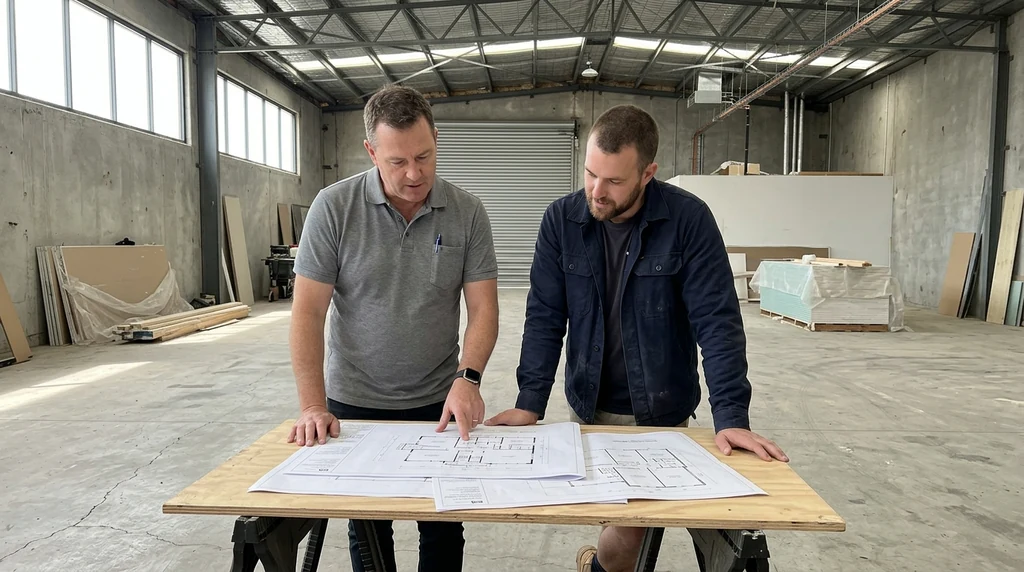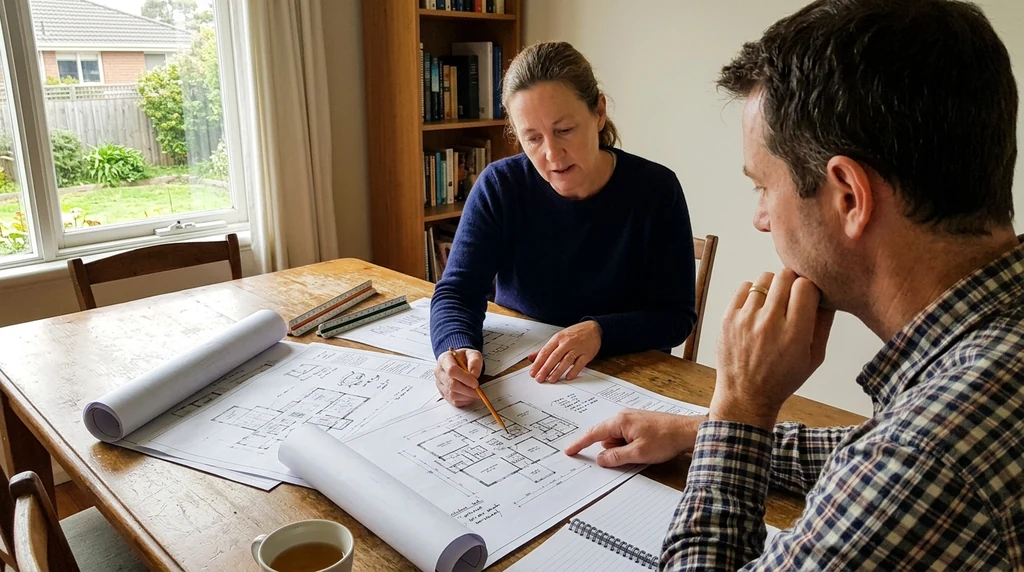
Deciding on the layout of a new home or renovation is one of the hardest parts of any building project. Flat drawings can be difficult to interpret, especially if you are trying to picture how a kitchen will feel with morning light, or whether a hallway will feel cramped once furniture is in place. This is where 3D floor plan drafting becomes genuinely useful for Melbourne homeowners and renovators working through the design stage of a build.
What Is 3D Floor Plan Drafting?
3D floor plan drafting takes the traditional flat, two-dimensional layout and turns it into a digital model with depth, height and detail. Walls, windows, doors and sometimes furniture and fixtures are all represented, giving you a bird’s eye or walk-through style view of the proposed home. Drafters use industry software such as SketchUp, Revit or 3DS Max to convert sketches and measurements into these detailed models.
Rather than relying on imagination alone, a 3D floor plan gives you a realistic, three-dimensional view of your proposed home before construction begins. For property owners across Victoria managing council requirements, builder communication and personal design decisions all at once, this kind of clarity can make the entire process smoother. If you are looking for practical architectural drafting support for your next project, understanding how 3D drafting fits into the design and approval process is a useful place to start.
For Melbourne properties, particularly those on tighter blocks, corner sites or blocks with slope, a 3D model helps show exactly how a design will sit within the available space. This is especially helpful when working through setback requirements, overshadowing considerations or site constraints that are common across many Victorian councils.
Why 3D Drafting Works Better Than Flat Plans Alone
Two-dimensional plans still play an important role in construction documentation, but they can be hard for non-industry clients to read accurately. A 3D floor plan gives a far more realistic sense of scale, room proportions and how spaces connect to one another.
Homeowners often find it easier to judge whether a living area will feel open or whether a bedroom will comfortably fit a queen bed and wardrobe once they can see the space in three dimensions. This improved spatial understanding reduces the chance of costly layout changes once construction is underway.
Making the Design Process More Efficient
One of the practical benefits of 3D drafting is how quickly changes can be made. Adjusting a wall position, resizing a room or testing a different window placement does not require redrawing the entire plan from scratch. This flexibility allows homeowners and drafters to test a few layout options before settling on a final design, which can save time later in the project.
For renovation projects in particular, where working within an existing structure adds complexity, being able to quickly visualise different configurations helps identify what will actually work on site.
3D floor plans are only useful when the drafting provider understands the job properly. Selecting a drafting service provider helps you check whether the service can handle the level of detail your project needs.
Supporting Better Decisions on Finishes and Layout
Choosing fixtures, finishes and colour schemes is often one of the more stressful parts of a build. A 3D model helps take some of the guesswork out of these decisions by showing how different elements sit together within the actual proposed space, rather than trying to imagine them from a swatch or sample board.
Seeing how natural light might interact with a room, or how a benchtop colour looks against surrounding walls and flooring, can help you make more confident choices earlier in the process, rather than adjusting selections after installation.
Improving Communication Between Homeowners, Drafters and Builders
Construction projects involve multiple people interpreting the same set of plans, including architects, drafters, builders and homeowners. A 3D floor plan acts as a shared reference point that reduces the chance of miscommunication. If a design change is proposed, such as widening a doorway or shifting a wall, a 3D view can quickly show the practical impact of that change for everyone involved.
This is particularly valuable in Melbourne’s renovation and extension market, where existing structures and site conditions often require adjustments during the design phase.
Supporting the Council Approval Process
For projects that require planning or building permits, a clear visual representation of the proposed works can support the assessment process. While every Victorian council has its own specific requirements, a 3D floor plan can help illustrate how a design fits within site constraints, height controls or streetscape considerations, alongside the required technical drawings.
Clear visuals help, but the designer still needs to understand your ideas. Communicating renovation ideas to drafting professionals explains how to brief the project so drawings reflect what you actually want.
This does not replace the formal documentation needed for a permit application, but it can make it easier for homeowners to understand what is being submitted and why certain design decisions have been made.
Is 3D Drafting Right for Your Project?
Not every project requires a full 3D model, but for larger renovations, new builds or projects with complex site conditions, it can add real value to the design process. If you are unsure whether 3D drafting suits your project, it is worth discussing your goals, budget and site conditions with a drafting professional early on, so you can decide on the right level of documentation for your build.
Taking the time to properly visualise your home before construction begins can help reduce costly changes later, improve communication with your builder, and give you greater confidence in the final result.