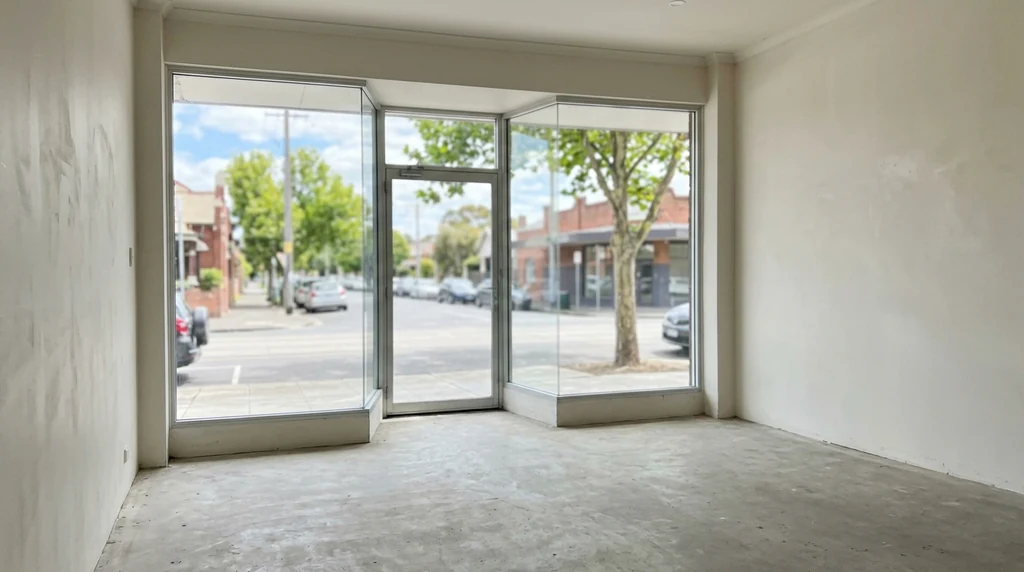
It is easy to fall for a premises. The location is right, the rent works and the space looks perfect for your business. Then, after the lease is signed, you find out the site cannot be used for what you planned without a permit, a building upgrade or both.
That is a change of use problem, and it is one of the most expensive surprises in commercial property. The time to check is before you sign. Our guide to commercial building permits covers the permit process in detail. This article focuses on the lease decision.
What change of use means
A change of use happens when premises are used for a different purpose from the one they were approved for. Common examples include:
- A shop becoming a medical or allied health clinic.
- An office becoming a cafe or restaurant.
- A warehouse becoming a gym, office or showroom.
- A house becoming consulting rooms.
In Victoria, change of use has two separate sides: planning and building. A site can be fine on one and a problem on the other.
The planning side
Every site sits in a zone under the local planning scheme, and the zone controls which uses are allowed. Some uses need no planning permit, some need a permit and some are prohibited altogether.
In commercial zones, many shop and office uses do not need a permit for the use itself. Other uses, or the same use in a residential or rural zone, can. Overlays add further controls, such as heritage, design or vegetation controls.
Planning issues that often catch tenants out include:
- Car parking. A new use with a higher parking requirement can need a permit to reduce the parking rate.
- Liquor. Selling or serving alcohol often needs a planning permit under Clause 52.27 as well as a liquor licence, although some licence types are exempt.
- Signage. New signs often need a permit, especially under heritage or design overlays.
- Hours and amenity. Late trading near homes can attract conditions or objections.
Check the zone and overlays on the council’s planning maps, and ask the council or a planner whether your use needs a permit. Buildpoint can check this at a first site meeting as part of our commercial design and tender services in Melbourne, because it shapes everything that follows.
The building side
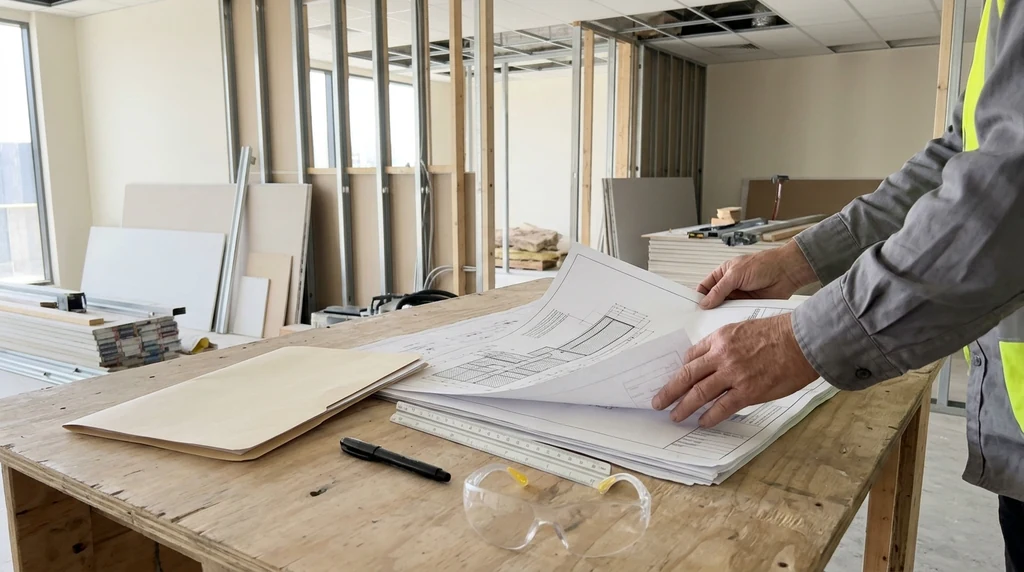
The National Construction Code (NCC) sorts buildings into classes. Offices and many clinics are generally Class 5, shops and cafes are Class 6, and health-care buildings where patients may need help to evacuate, such as day procedure units, can be Class 9a. When a change of use changes the building class, the building may need to be upgraded to meet the requirements of the new class.
Upgrades commonly involve:
- Fire separation, exits and emergency lighting.
- Accessible entry, circulation and accessible toilets.
- Extra sanitary facilities for more staff or customers.
- Structural capacity for heavier floor loads or equipment.
- Kitchen exhaust, grease traps and trade waste for food premises.
A registered building surveyor decides what is required. Speaking to one before you sign is one of the cheapest forms of insurance a tenant can buy.
What to check in the lease
The lease itself should support your plans. Look for:
- The permitted use clause. It should allow your use, worded broadly enough to cover your business.
- Who pays for compliance upgrades. Many leases push this onto the tenant. Negotiate it before you sign, not after.
- Landlord consent for works. You will usually need written consent for fitout and alterations.
- A conditional start. Ask for the lease to be conditional on planning approval, or for a rent-free period that covers the approval time.
- Make-good obligations. Know what you must remove or reinstate when you leave.
If the premises are retail premises under the Retail Leases Act 2003 (Vic), the landlord must give you a disclosure statement. Read it closely for details of the premises, fixtures, services and estimated outgoings. Have a lawyer review the lease before you sign.
All of this takes time and coordination, often while you are still running your current business. If juggling it with your business sounds unrealistic, read when a client-side project manager is worth it before you take it all on yourself.
Questions to ask the landlord
- What was the premises last approved for, and is there an occupancy permit or certificate of final inspection on file?
- Are there existing drawings, essential safety measures records and services information?
- What is the capacity of the switchboard, water supply and gas connection?
- Is there a grease trap, exhaust riser or trade waste connection already in place?
- Are there known defects, asbestos registers or outstanding building orders?
- Will the landlord contribute to compliance upgrades that benefit the building?
The answers tell you how much of the upgrade work is already done, and how much will fall to you. Ask for them in writing, and ask for copies of any permits and drawings the landlord holds. A landlord who cannot answer basic questions about the building is telling you something too.
If the previous tenant ran a similar business, ask what they changed and whether those works were approved. Unapproved works from a past fitout can become your problem when you apply for a new permit.
Get the numbers before you commit
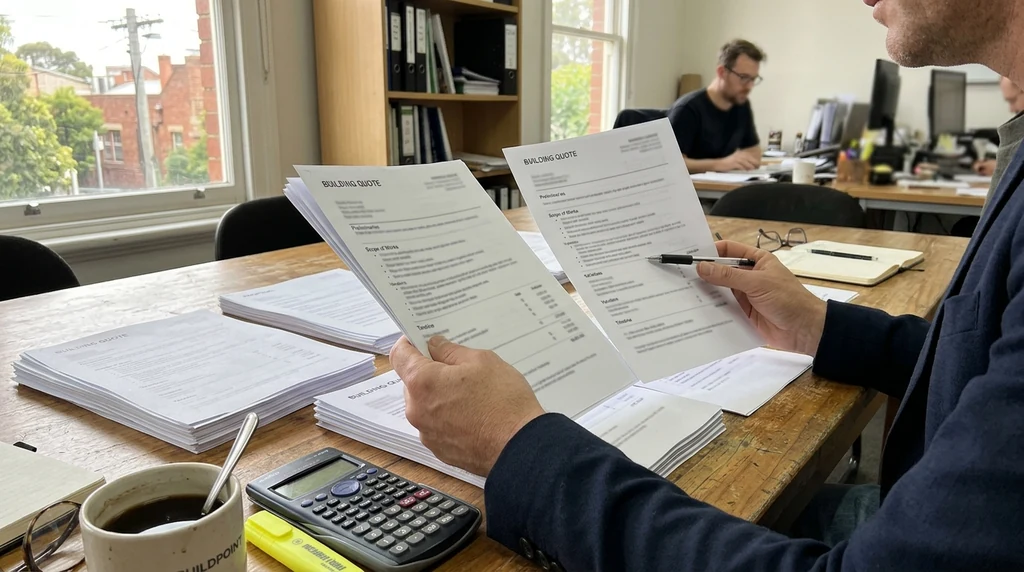
Once you know the planning and building position, get an early cost estimate for any upgrades, then add them to your fitout budget. If the total does not work, it is far better to find out now. Our guide to why commercial building quotes vary so much and how to compare them will help when the prices start coming in.
Treat any early estimate as a range, not a fixed number, until the drawings and surveyor advice are complete.
Add a contingency for the unknowns. Older buildings in particular can reveal asbestos, undersized services or non-compliant past work once the ceilings and linings come down, and those costs are far easier to absorb if they were expected.
A simple pre-lease checklist
- Confirm the zone, overlays and whether your use needs a planning permit.
- Check car parking, liquor and signage requirements.
- Ask a building surveyor whether the building class will change and what upgrades follow.
- Get an early cost estimate for planning, upgrades and fitout.
- Negotiate the permitted use, upgrade costs and a conditional start in the lease.
- Have the lease reviewed before you sign.
A note on the Mornington Peninsula
The same principles apply anywhere in Victoria, but the local planning scheme changes what you need to check. Change of use can be more complex on the Peninsula, where Green Wedge zoning, the Significant Landscape Overlay, the Erosion Management Overlay and heritage controls in older towns can limit what a site can be used for. If you are looking at premises there, check the zone and overlays carefully, or talk to a team that handles commercial projects on the Mornington Peninsula.
Talk to us before you sign
Buildpoint helps business owners check a premises before they commit, then handles the design, permits and builder tender once they do, with the building work carried out by a registered builder. Call 1300 787 552 to book a site meeting before you sign.