Choosing a commercial builder is one of the few decisions on a project that is hard to undo. Once the contract is signed and the hoarding is up, changing builders costs time, money and usually a fair amount of stress.
Most owners compare quotes on price and start date. Those matter, but they are the last things to look at, not the first. The checks below sort out which builders are worth comparing at all.
Start with your own scope
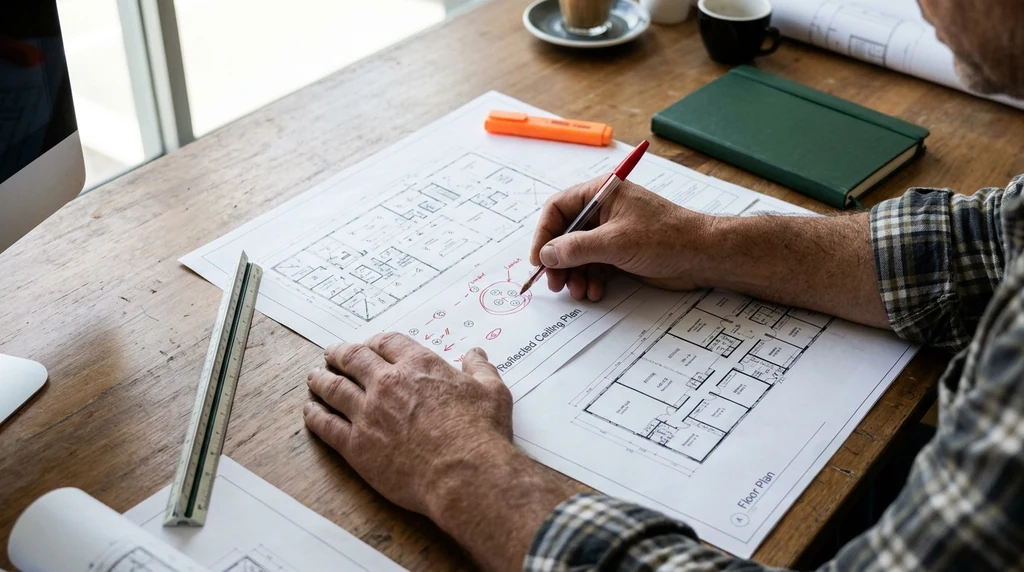
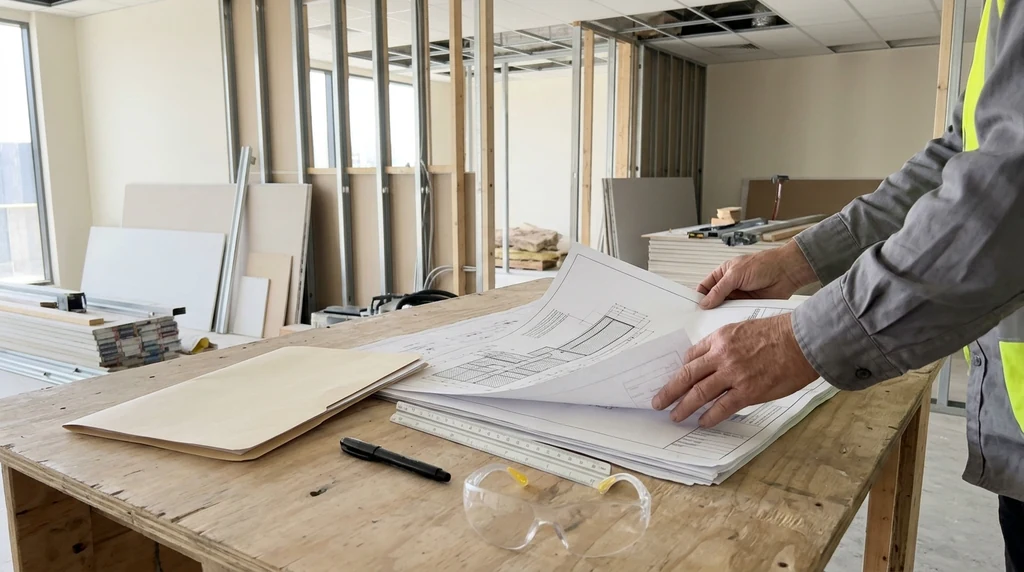
Before you call anyone, be clear about what you are asking them to build. A builder can only price what they can see. If the scope is a sketch and a conversation, every builder will fill the gaps differently, and you will end up comparing guesses.
At a minimum, have measured drawings of the existing space, a layout of what you want, a list of finishes and a rough idea of which services are changing. If you are not sure where to start, our commercial project team can help turn a brief into documents a builder can price properly.
Check the builder’s registration
In Victoria, builders who carry out commercial building work must be registered with the Building and Plumbing Commission (BPC), which replaced the Victorian Building Authority. Registration is issued in classes, so a builder registered for domestic work is not automatically registered for commercial work.
Search the builder’s name or registration number on the BPC’s online practitioner register and check three things:
- The registration is current, not suspended or cancelled.
- It covers commercial building work of the type your project involves.
- The name on the register matches the company or person named on your contract.
If a builder is vague about their registration number, treat that as an answer.
Ask for insurance certificates
A commercial builder should hold public liability insurance and contract works insurance for the full value of your job. Ask for current certificates of currency, not a verbal assurance. Check the expiry dates fall after your planned completion date, and check the contract works cover is high enough for your project.
Domestic building insurance does not apply to commercial work, so a commercial job will not have it. On some projects the owner insures the works instead, so check the contract to see who is responsible for which cover.
Match the builder to the project
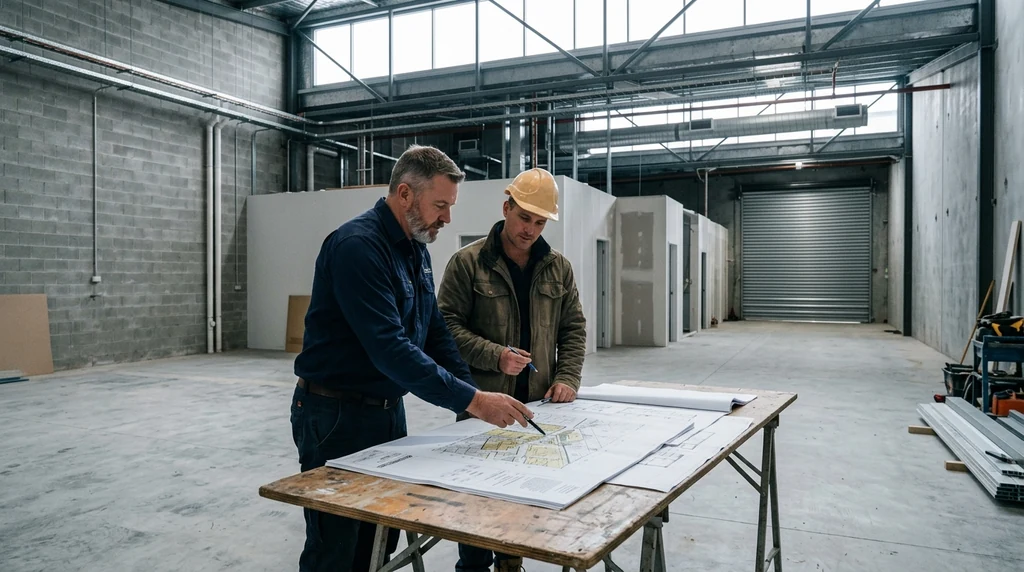
Commercial builders tend to specialise, even when their websites say they do everything. A firm that builds warehouses may not be the right fit for a medical suite with plumbing to every room. A tier-one contractor may not want a 200 square metre retail fitout, and if they take it, you may not get their best people.
Ask each builder to show you two or three completed projects that are similar to yours in size, type and complexity. Then ask who ran those jobs on site, and whether the same person would run yours.
Speak to past clients
References are only useful if you ask the right questions. Skip “were you happy?” and ask:
- Did the job finish on the date in the contract? If not, why not?
- How many variations were there, and were they explained and priced before the work was done?
- How did the builder handle a problem when one came up?
- Were defects fixed promptly after handover?
If you can, visit a completed project. A ten-minute walk through tells you more about finish quality than any brochure.
Ask how they communicate and manage change
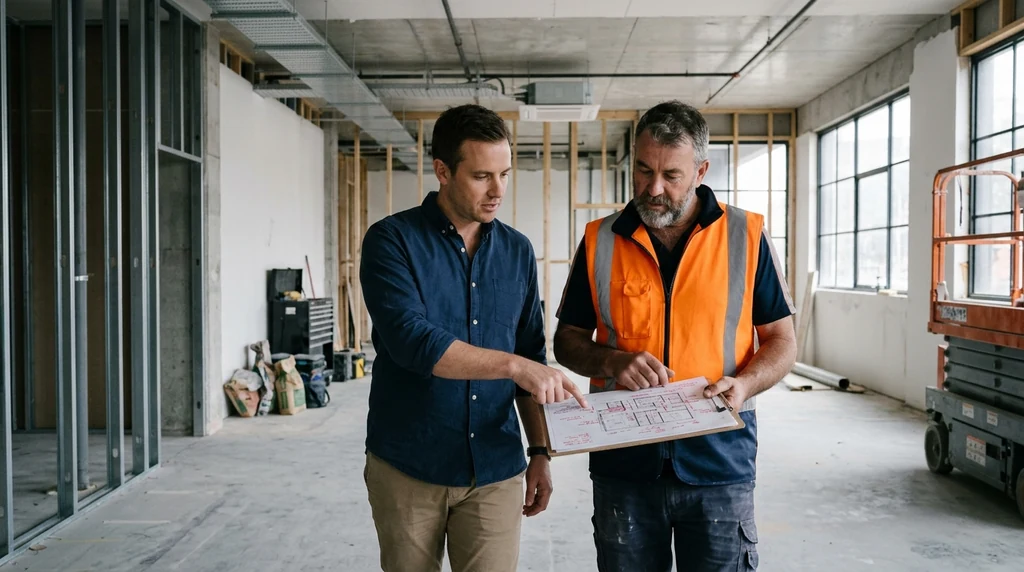
Most commercial disputes are not about workmanship. They are about money and time that nobody saw coming. Ask each builder how they report progress, how often you will hear from them and who your day-to-day contact will be.
Then ask how they handle a variation. A good answer sounds like this: the issue is raised in writing, priced before the work is done and approved by you before anyone picks up a tool. A poor answer is “we sort it out at the end”. By then, the work is done and you have very little leverage.
It is also worth asking how they handle defects after handover, and how quickly someone comes back to fix them. The answer tells you how the builder values the relationship once the final claim is paid.
Understand the delivery model
How the project is procured changes what you are actually comparing. In a traditional model you have the design completed first and ask several builders to price the same documents. In design and construct, one party takes responsibility for both design and construction. Each has strengths, and the right choice depends on your budget, timeframe and appetite for risk. We compare the two in detail in design and construct vs traditional tender for small commercial projects.
Read the contract before you compare prices
Many commercial projects use a contract based on an Australian Standard form, such as AS 4000 for construct-only work, an industry form such as the ABIC contracts, or a builder’s own terms. Whatever the form, look closely at:
- How progress claims are made and how much time you have to pay them.
- How variations are requested, priced and approved. They should be in writing, every time.
- Retention or security, and when it is released.
- How practical completion is defined and what happens if the builder runs late.
- The defects liability period.
Progress claims on commercial work also fall under the Building and Construction Industry Security of Payment Act 2002 (Vic). If you dispute a claim, you generally need to respond with a payment schedule within the time set by the contract or 10 business days, whichever is earlier, or you may become liable for the full amount claimed.
Two quotes with the same price can carry very different risk once the contract terms are taken into account. If the terms are unfamiliar, have them reviewed before you sign.
Compare quotes on the same basis
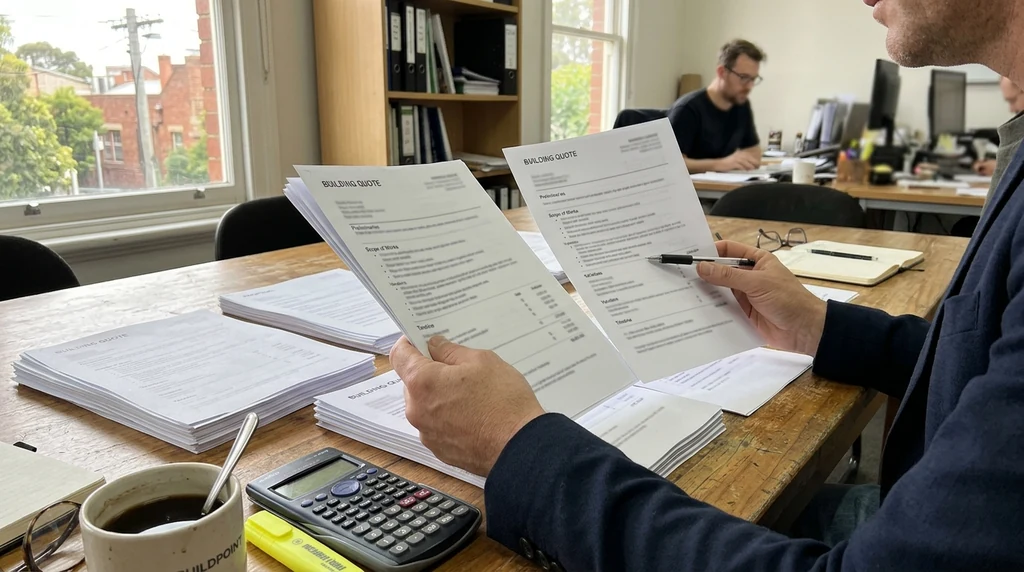
A low quote is often a less complete quote. Line up each price against the same scope and check what is excluded, where provisional sums sit and whether preliminaries, margin and GST are shown the same way. The short version is simple: compare what is included rather than the total alone.
Red flags worth walking away from
- No registration number, or one that does not match the contract name.
- Pressure to sign quickly, or a price that is only valid “this week”.
- A large upfront payment before any work or materials are on site.
- A lump sum quote with no breakdown and a long list of exclusions.
- Reluctance to put variations in writing.
- No written contract, or a contract that does not name the builder’s registered entity.
Bringing it together
The best commercial builder for your project is registered for the right class of work, insured, experienced in projects like yours and willing to price a clear scope under a fair contract. Price comes after those checks, not before them.
If you would like help with the scope, the drawings and choosing a builder, Buildpoint is a building design and project management firm. We design small to mid-sized commercial projects, guide the permits and tender the work to an independent panel of registered commercial builders. Call 1300 787 552 to talk it through.