On most commercial builds, everyone on the job is paid to look after someone. The builder looks after the builder. The designer looks after the design. The question for an owner is simple: who is looking after you?
That is the job of a client-side project manager. They represent the owner, not the builder, and their role is to protect your budget, program and quality from the first brief to handover. Buildpoint offers client-side project management in Melbourne for exactly this reason.
What a client-side project manager does
The details vary from job to job, but the role usually covers:
- Setting up the brief, budget and program at the start.
- Engaging and coordinating the designer, engineers and building surveyor.
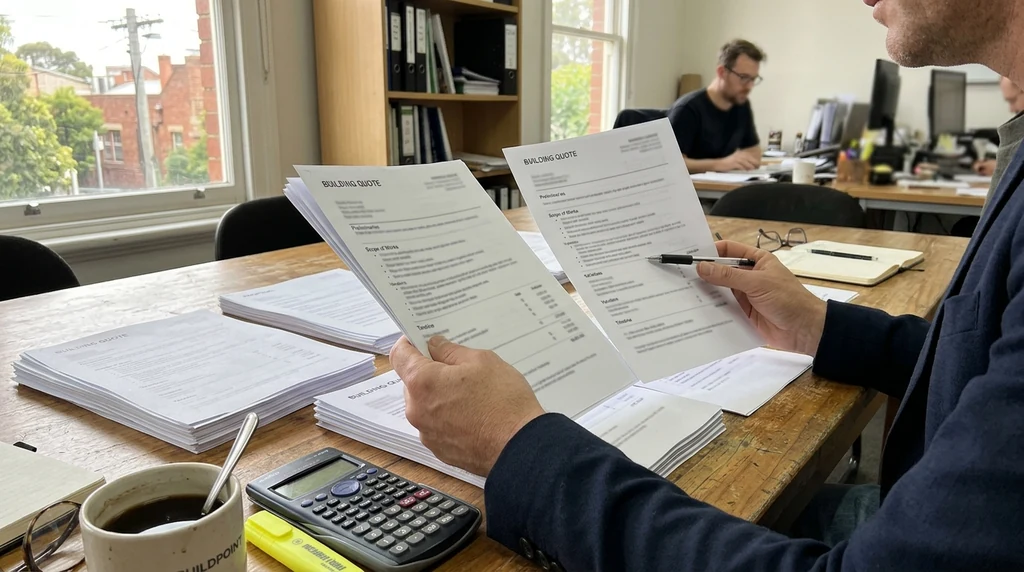
- Running the tender and comparing builder quotes on a like-for-like basis.
- Reviewing the building contract before you sign.
- Assessing progress claims and checking the work claimed has actually been done.
- Reviewing variation requests and pushing back on those that are not justified.
- Tracking the program and raising delays early.
- Managing defects and the paperwork at practical completion.
On contracts based on Australian Standard forms, the client-side project manager often acts as the superintendent or contract administrator, the person who makes decisions under the contract on claims, variations and extensions of time. When acting as superintendent, they must assess claims honestly and fairly under the contract, even though they are engaged by you.
How it differs from the builder’s project manager
The builder will usually have a project manager or site manager too. Their job is to run the site and deliver the project profitably for the builder. That is legitimate, but their interests are not the same as yours, especially when it comes to variations, delays and defects.
A client-side project manager sits on the other side of the table. They check the builder’s claims rather than make them.
When it is worth it
A client-side project manager usually pays for their fee when one or more of these apply:
- You do not have the time. Running a business while managing designers, a surveyor and a builder is a second job.
- You have not done a commercial build before. Contracts, progress claims and NCC compliance are easy to get wrong the first time.
- The project is tied to a hard date. A lease start, a trading season or a funding milestone leaves little room for delay.
- There are several consultants. The more people involved, the more gaps appear between them.
- The budget is tight. Variation control and claim checking protect thin margins.
- You are a landlord or investor. You may not be on site often, so someone needs to be.
When you may not need one
For a small, simple refurbishment with complete drawings, a straightforward contract and an owner who has done it before, a full client-side project manager may be more than you need. In those cases, a few hours of independent building advice at key points, such as reviewing the quote and the contract, can be enough.
Start early, not when things go wrong
The most common mistake is calling in a project manager after a dispute has started. By then the contract is signed, the documents are fixed and the options are limited.
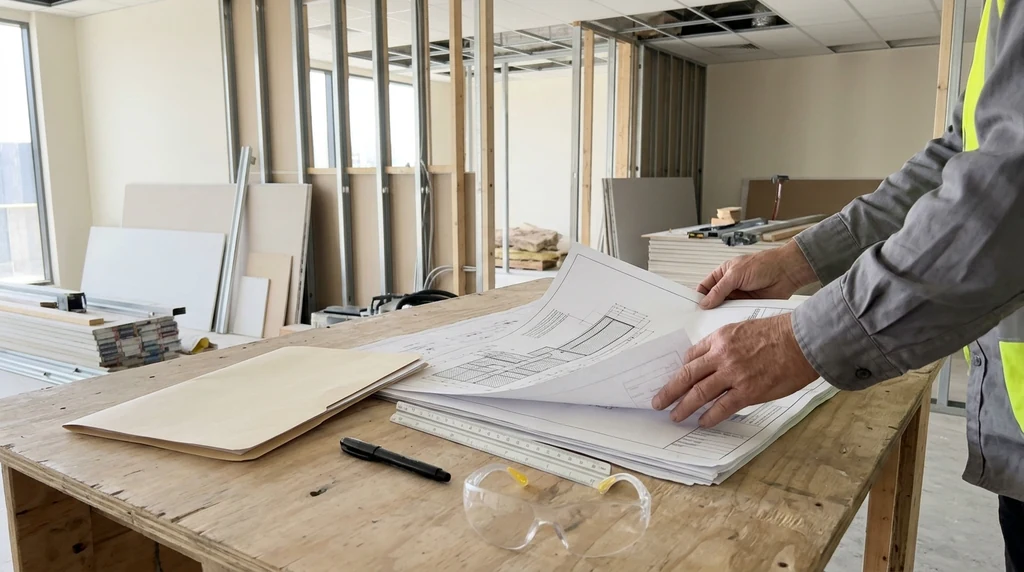
The biggest savings come at the start: a clear brief, complete documentation and a tender that compares like with like. If your drawings are thin, the project manager’s first job will often be getting them to a level builders can price from. For a checklist, see the drawings builders need to price accurately.
What to look for in a client-side project manager
- Experience with projects of your size and type.
- No commercial ties to the builders they recommend.
- A clear scope of services and fee, in writing.
- A working knowledge of commercial contracts and Victorian building permits.
- Regular, plain-English reporting on budget, program and risks.
How client-side project management is usually priced
Fees are commonly set in one of three ways: a fixed fee for a defined scope, a percentage of the construction cost, or an hourly rate for specific stages such as tender review or contract administration. A fixed fee for a clear scope is often the easiest to budget for on a small project.
Whatever the structure, compare the fee with what it protects. One unjustified variation rejected, or one delay caught early, can cover a meaningful part of the cost. Ask any project manager you are considering for examples of where they have saved a client money, and how.
How it fits with the rest of the team
A client-side project manager does not replace the builder or the designer. They connect them on your behalf. On Buildpoint projects, that role sits alongside our design, permit and tender work, so one point of contact keeps the brief consistent across the commercial projects we oversee in Melbourne and further out.
That matters most at the handover points: when the design moves to the building surveyor, when the documents go to builders and when the builder hands the keys back. Each of those points is where information gets lost, and where a project manager working for you earns their place.
It also means you have one person to call when something changes. A new requirement from the landlord, a change in the business plan or a delay in a permit can be weighed against the budget and program straight away, rather than discovered weeks later.
Where change of use fits in
Some of the most useful advice a project manager gives comes before any design work starts. Is the site right for the business? Is the budget realistic for the space? Are there approvals that could take longer than the lease allows?
One of the earliest calls a project manager makes is whether your premises can legally be used for what you plan. A shop becoming a clinic, or an office becoming a cafe, can trigger planning and building requirements that change the whole budget. That question deserves an answer before the lease is signed, which is the subject of our guide to what to check about change of use before signing a commercial lease in Victoria.
Is it worth it for your project?
A client-side project manager is worth it when you lack the time or experience to protect your own interests on a commercial build, or when the cost of a delay or a dispute would outweigh the fee. On a simple job with an experienced owner, targeted advice at the quote and contract stages may be all you need. On anything larger or tied to a hard date, having someone on your side from the start is usually money well spent. Call Buildpoint on 1300 787 552 to talk about the level of support your project needs.