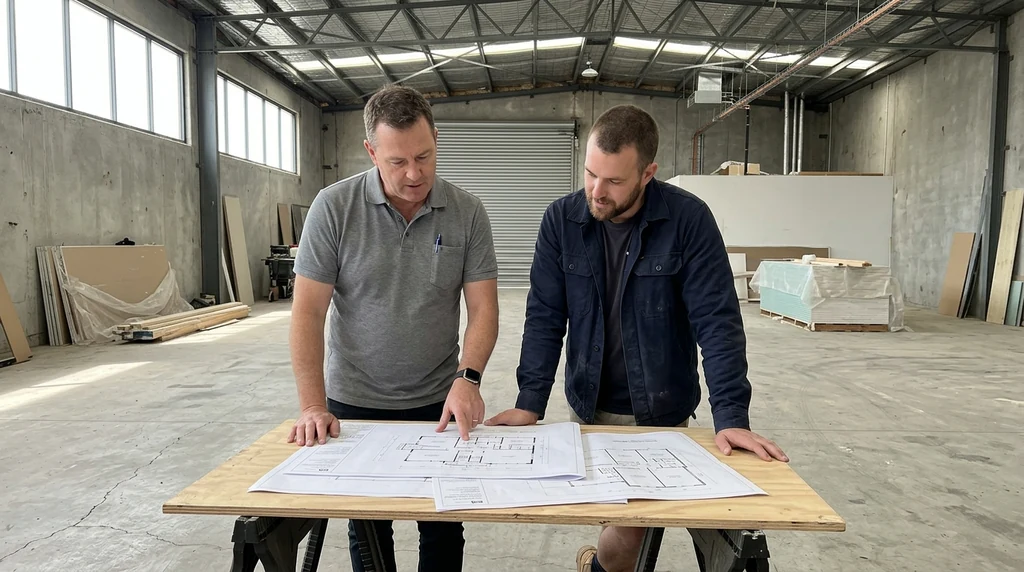
If you’re planning a renovation, a new build, or you’re mid-way through a project that’s started to feel shaky, one of the first questions that comes up is cost. How much does it actually cost to bring in a building consultant, and what are you paying for? The honest answer is that it depends on a few factors, and this article walks through what actually drives the price up or down.
What Shapes the Cost of a Building Consultant
There’s no single flat rate for building consultancy work because every project is different. A consultant pricing a job will generally look at how much time it will take, how complex the property or documents are, and how many site visits or follow-ups are likely to be needed. Here are the main things that push the cost up or down.
For homeowners weighing up whether the expense is worthwhile, it helps to understand what a building consultancy in Melbourne typically involves and where the time and effort actually goes. Once you see what’s behind the fee, it’s usually a lot easier to judge whether it’s the right move for your situation.
Stage of the Project
Cost often depends heavily on when you bring a consultant in. Getting advice before you sign a building contract is usually a smaller job than sorting out problems halfway through construction. Early-stage reviews, like checking a quote or looking over plans before you commit, tend to be more straightforward because there’s less on-site complexity to work through.
Projects that are already underway, especially where there’s a dispute or defect concern, usually take longer. The consultant needs to understand what’s already been built, compare it against approved plans and standards, and work out what’s gone wrong before they can even start advising on next steps.
Documentation Review
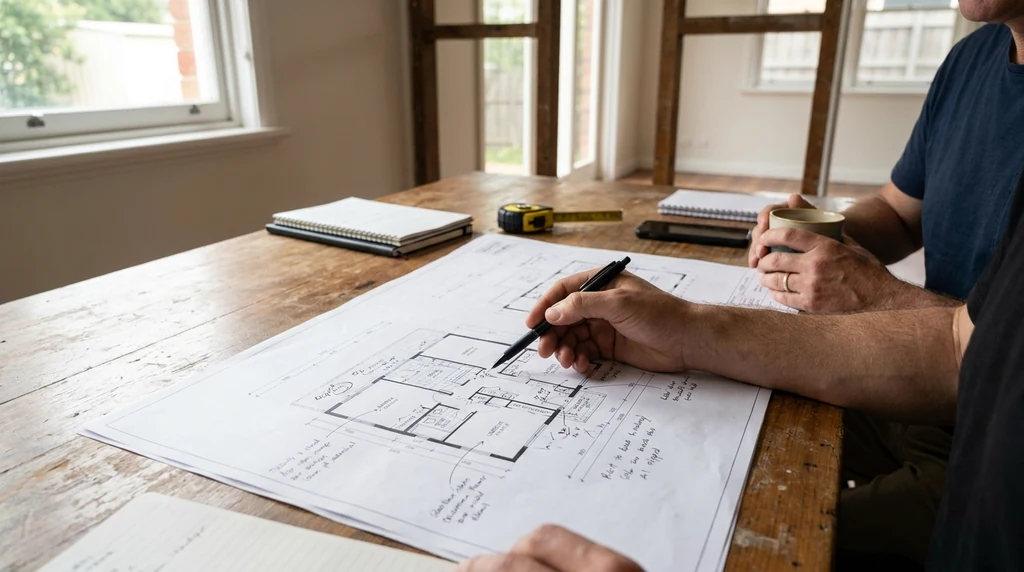
A big part of many consulting jobs is reading through paperwork: contracts, drawings, specifications, variations, and correspondence between you and your builder. The more documents involved, and the more disorganised or incomplete they are, the longer this takes. A tidy, complete set of plans and contracts is quicker to review than a scattered pile of emails and half-finished variation forms.
If you’re getting a pre-contract review done, having your paperwork in order before you meet with a consultant can genuinely reduce the time and cost involved.
Site Conditions and Access
Site inspections form another key part of the cost. A straightforward inspection on a standard suburban block with easy access is generally quicker than one involving difficult terrain, multi-storey builds, or restricted access. Consultants also need to factor in travel time, especially for properties further from the Melbourne CBD or in areas with parking or access restrictions.
The physical condition of the site matters too. If there are safety concerns, unfinished works, or areas that require scaffolding or special equipment to inspect properly, that adds to the time and sometimes the cost.
Builder Quote Review
Many people bring in a consultant specifically to review a builder’s quote before signing anything. This kind of review looks at whether the pricing seems reasonable, whether the scope of works is clearly defined, and whether anything important seems to be missing or vague. The cost here usually reflects how detailed the quote is and how many trades or stages are involved.
A simple renovation quote with a handful of line items is quicker to assess than a full new-build tender with dozens of inclusions, provisional sums, and specification notes. If you’re comparing multiple quotes at once, that also adds to the scope of the work.
Complexity of the Problem
Where a consultant is being asked to investigate defects, cracking, water ingress, or other building problems, the cost tends to reflect how much investigation is needed. Some issues are visible and easy to diagnose. Others require a more thorough look, sometimes involving multiple visits, measurements, photographs, and comparison against building standards or approved plans.
Cost is easier to judge when you know which role you actually need. Building consultant versus building surveyor explains why advice and approval are not the same service.
Problems that touch on structural elements or waterproofing tend to take longer to assess properly than cosmetic issues, simply because more care is needed to understand what’s actually happening and why.
Fixed Fee Versus Hourly Rates
Building consultants in Melbourne generally work either on a fixed fee for a defined scope of work, or on an hourly basis for more open-ended jobs. A pre-purchase inspection or a contract review is often quoted as a fixed fee because the scope is clear from the outset. More complex dispute-related work, where nobody knows in advance how many hours it will take to sort things out, is more commonly billed hourly.
When you’re getting a quote from a consultant, it’s worth asking which approach they’ll use and what’s included. A fixed fee gives you certainty, but it helps to understand exactly what’s covered, such as the number of site visits, whether a written report is included, and whether follow-up questions are part of the fee or charged separately.
Why the Investment Often Pays for Itself
It’s easy to look at consultant fees as an added expense on top of an already costly project. But the value tends to show up later, when a consultant catches a vague contract clause, spots a defect early before it becomes a bigger repair job, or flags a quote that’s missing something important. Sorting these issues out before or during construction is usually far less costly and stressful than dealing with them after the fact.
For a lot of homeowners, the real value isn’t just the advice itself but the peace of mind that comes from having someone independent look over the details before a big decision is locked in.
Getting the Most Out of a Consultation
If you want to keep costs sensible while still getting a thorough assessment, a bit of preparation goes a long way. Gather your contracts, plans, and any correspondence with your builder before the consultation. If you have specific concerns, such as a crack that’s appeared or a section of the build that doesn’t look right, take clear photos and note down when you first noticed the issue.
Being upfront about your budget and what you’re hoping to get out of the consultation also helps. A good consultant will tailor their approach to what you actually need, whether that’s a quick sanity check on a quote or a more detailed investigation into a building problem.
Fees are only part of the risk. Checking a builder quote or scope of works helps you understand what should be reviewed before you sign.
Final Thoughts
The cost of a building consultant in Melbourne depends on the stage of your project, how much documentation needs reviewing, the condition and accessibility of the site, and the complexity of any issues involved. While there’s no single set fee that applies to every job, understanding these factors makes it easier to budget for the right level of support and to ask informed questions when you’re getting a quote. In most cases, the cost of getting proper advice is small compared to the cost of getting something wrong.