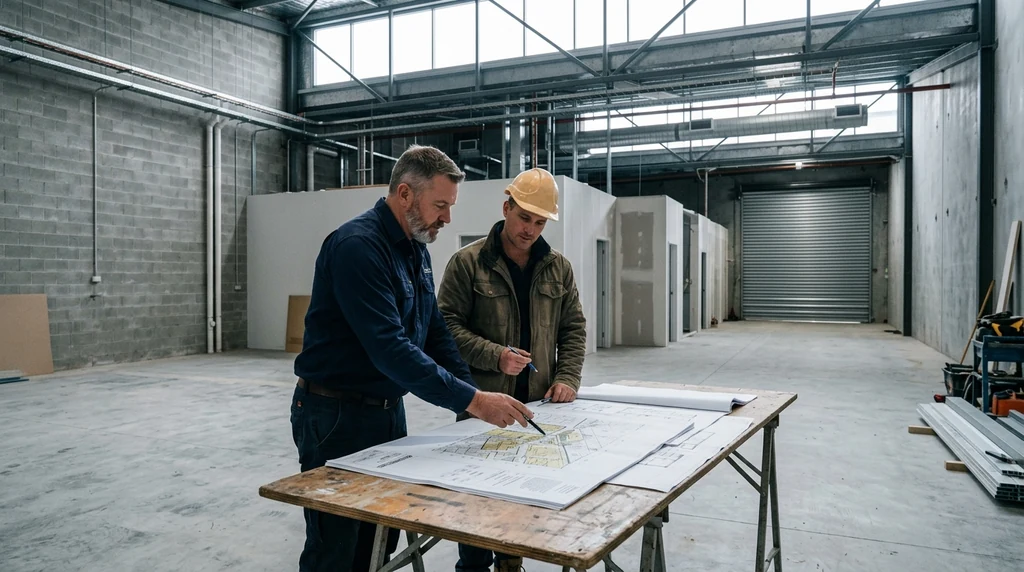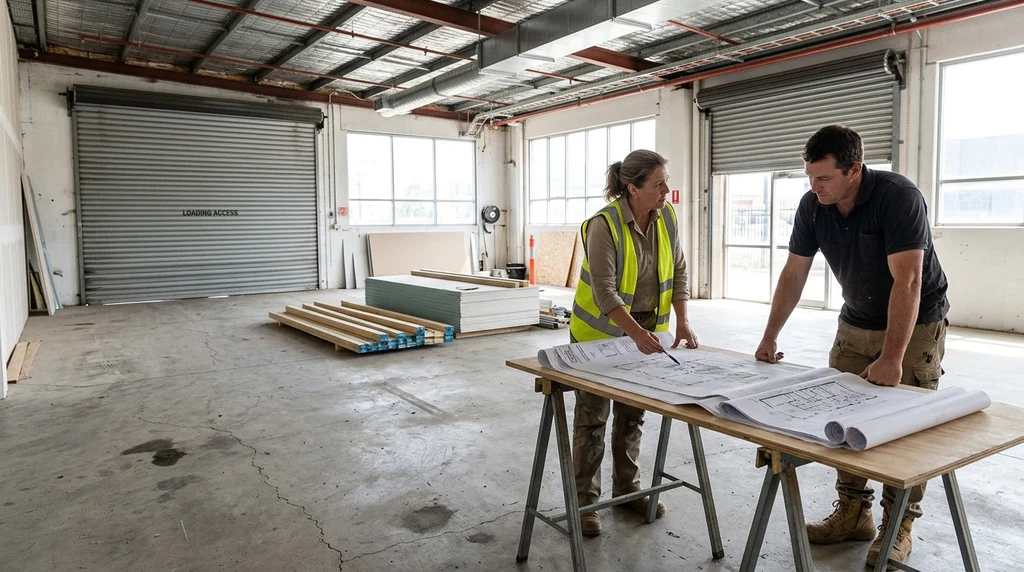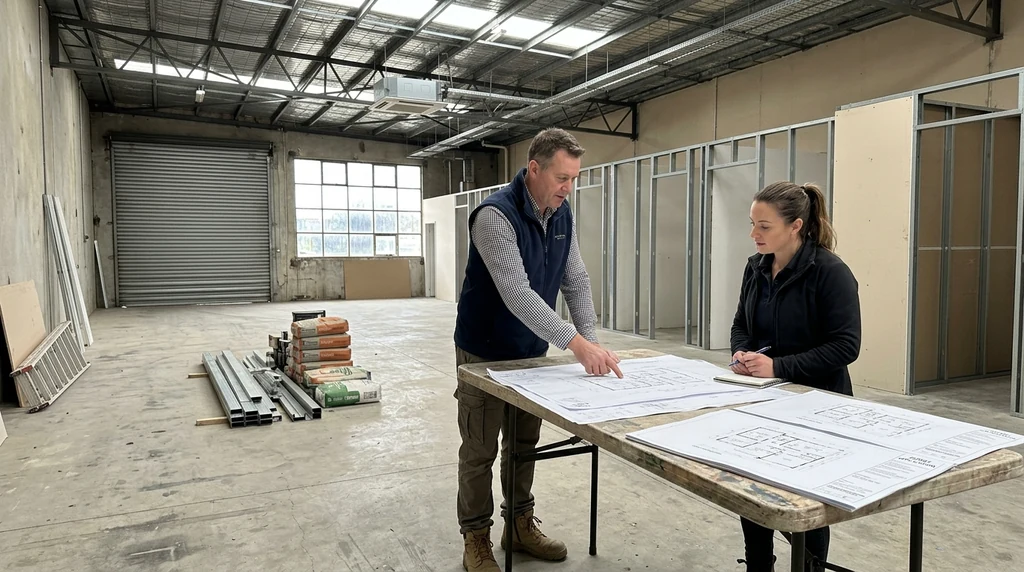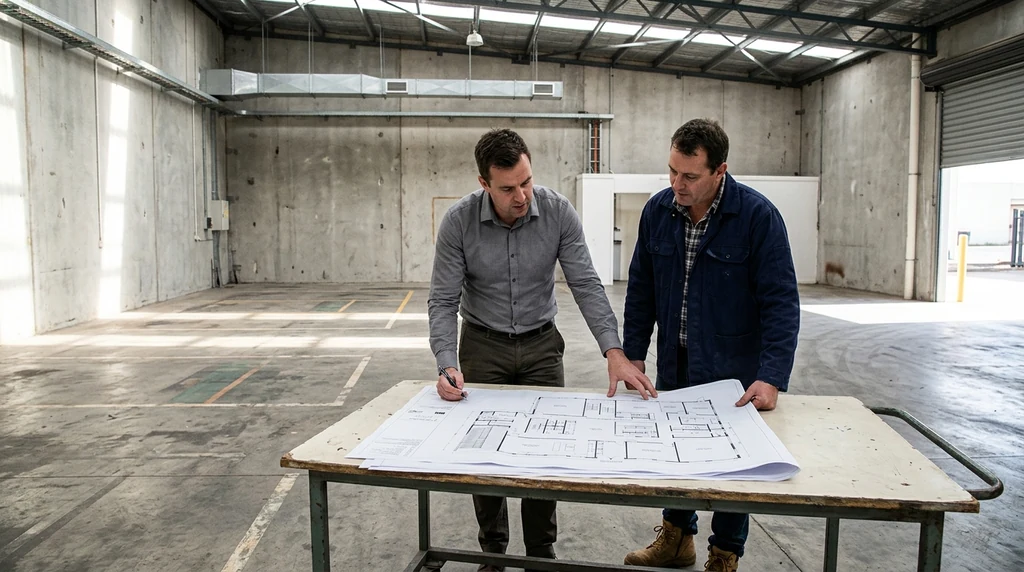
A builder’s quote can look straightforward on the surface, but the wording underneath is where most disputes begin. Before you sign anything, it pays to slow down and read the document line by line, because what’s left out often matters more than what’s included. This article walks through the main areas worth checking so you go into a build or renovation with clear expectations rather than assumptions.
Start with inclusions and exclusions
Every quote should clearly state what’s included in the price and, just as importantly, what isn’t. Builders often list inclusions in broad terms like “standard fittings” or “as per plan,” which sounds reasonable until you realise “standard” can mean very different things depending on who you ask.
Exclusions are where cost blowouts tend to hide. Common items left out of quotes include:
If the quote feels vague, overly broad, or you’re not confident reading between the lines, getting building consultant support before you sign can save a great deal of stress later. A second set of eyes on the paperwork often picks up gaps that aren’t obvious to someone outside the industry.
- Site costs such as soil testing, retaining walls, or rock removal
- Connection to services like power, water, or stormwater
- Landscaping, fencing, and driveways
- Window furnishings, floor coverings, or appliances
- Council contributions or headworks charges
If something isn’t specifically listed as included, treat it as excluded until confirmed otherwise. Ask for exclusions to be written down rather than discussed verbally, because verbal assurances are hard to rely on once work is underway.
Check the drawings match the quote
The price you’re given should relate directly to a specific set of drawings, not a general concept. If the plans are still in draft form or haven’t been finalised, the quote attached to them is really just an estimate rather than a firm figure.
Look for a drawing revision number or date referenced in the quote itself. This tells you the builder has priced a fixed version of the design. If the drawings change after signing, even in small ways, that’s usually grounds for a variation, so it’s worth locking in the design as much as possible before agreeing to a price.
Read the specifications carefully
Specifications describe the actual materials, finishes, and products that will go into the build. This is separate from the drawings, which show layout and dimensions but rarely detail brand names or quality levels.
A specification document should tell you things like the brand and model of tapware, the type of roofing material, the thickness of glazing, or the grade of timber being used. Without this detail, a builder can legally supply the cheapest compliant product available, even if you had something better in mind. If specifications are missing or thin, ask for them to be added before signing.
Understand the assumptions behind the price
Every quote is built on assumptions, whether they’re stated or not. Builders often assume normal soil conditions, easy site access, no hidden services underground, and no need for additional structural work. If any of these assumptions turn out to be wrong once work starts, the price can shift quickly.
Ask the builder directly what assumptions have been made about the site, especially if you know there could be complications such as sloping land, easements, or older existing structures nearby. Getting these assumptions in writing gives you something to refer back to if a variation is later proposed.
Know how variations will be handled
Variations are changes to the original scope, and they’re a normal part of most builds. What matters is how they’re managed. A good contract should explain:
A quote review has more value when you know what independent advice can cost. How much a building consultant costs in Melbourne gives context before you decide whether the extra check is worthwhile.
- How a variation is raised and by whom
- Whether written approval is required before the work proceeds
- How the cost of a variation is calculated
- How variations affect the overall timeline
If the process for variations isn’t clearly outlined, you could find yourself agreeing to extra costs after the fact simply because work has already been done. Ask for a written variation process before you sign, and don’t rely on a verbal agreement once the build is underway.
Look closely at allowances
Allowances are provisional amounts set aside for items that haven’t been finalised yet, such as tiles, kitchen benchtops, or light fittings. They’re common in quotes, particularly when selections haven’t been made, but they can also be a source of unexpected cost.
Check that allowances are realistic for the quality you actually want. An allowance that’s set too low might look attractive on paper, but if your chosen tiles or fixtures cost more than the allowance, you’ll be paying the difference. Ask the builder how the allowance figures were calculated and whether they reflect current supplier pricing.
Confirm permit and approval responsibilities
Building permits, planning approvals, and any required certifications need to be accounted for somewhere in the contract. It should be clear who is responsible for obtaining them, how long they typically take, and whether the cost is included in the quoted price or listed separately.
Delays with permits are common, particularly on sites with overlays or heritage considerations, so it helps to understand how any resulting delay to the build program will be handled. This isn’t about assigning blame, it’s about knowing what happens if approvals take longer than expected.
Watch for vague or open-ended wording
Phrases like “to industry standard,” “as required,” or “subject to final design” can sound reasonable but leave room for interpretation. These terms aren’t necessarily a red flag on their own, but they should prompt a follow-up question. Ask what standard is being referred to, or what conditions would trigger “as required” work, and get the answer added to the document rather than left as a verbal explanation.
Similarly, be cautious of quotes that reference “provisional sums” without a clear method for how the final figure will be determined. A provisional sum should still come with enough detail that you understand roughly what to expect.
Take your time before signing
There’s rarely a good reason to rush into signing a builder’s quote. Take the document away, read it more than once, and write down anything that doesn’t make sense so you can raise it directly with the builder. If the answers you get are vague or inconsistent, that’s worth paying attention to.
Builder quotes also need to be tested against the property itself. Early renovation checks before you commit explains what to look at before assuming the project is feasible.
A well-prepared quote should leave you with a clear picture of what you’re paying for, what isn’t included, and how changes will be handled if they come up. Spending time on this step before signing is far easier than trying to resolve confusion once the build has already started.