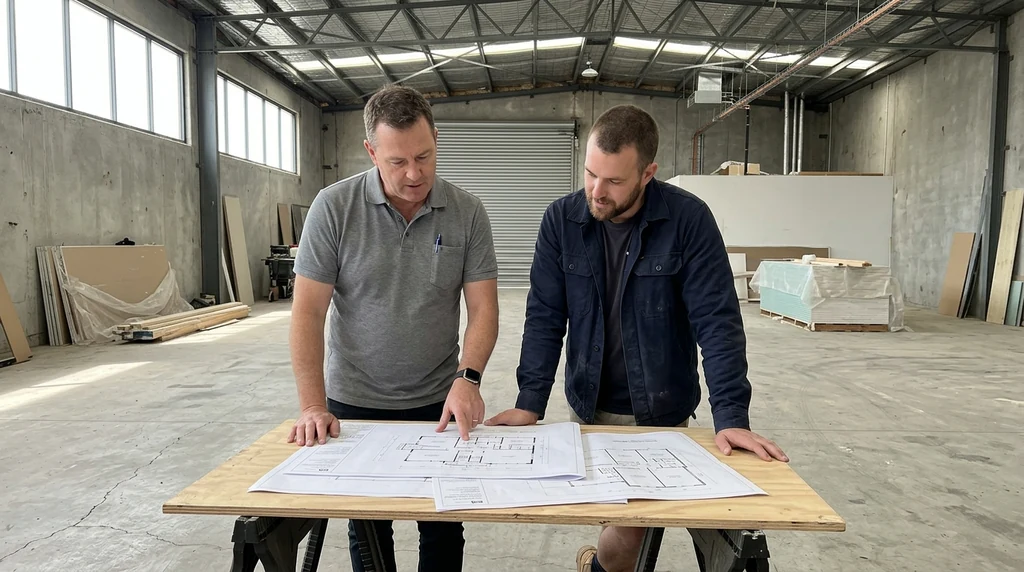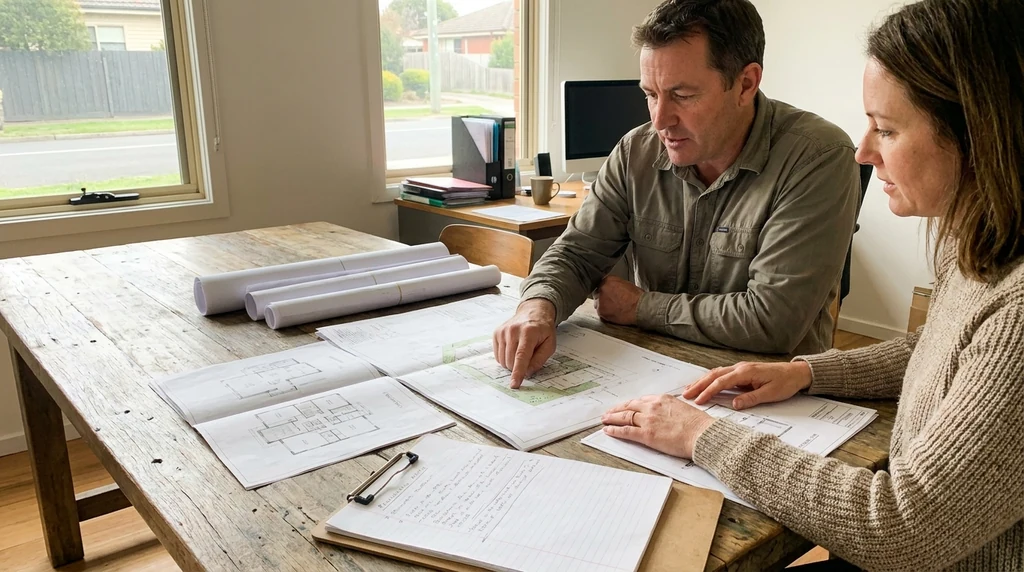
If you’re planning a build, renovation, or property purchase in Victoria, you’ve probably come across two terms that sound similar but do very different jobs: building consultant and building surveyor. Confusing the two can lead to gaps in advice, unexpected costs, or a false sense of security about the condition or compliance of a property. This article breaks down what each role actually covers, so you know who to call and when.
What a Building Surveyor Does
A building surveyor in Victoria holds statutory authority under the Building Act 1993 and the Building Regulations. Their role is to assess whether building work complies with the National Construction Code and relevant Victorian regulations. They issue building permits, carry out mandatory inspections at set stages of construction, and issue occupancy permits or certificates of final inspection once work is complete.
In short, a building surveyor is a statutory role required by law at certain stages of a building project, while a building consultant Melbourne homeowners engage provides independent, practical advice that sits outside the regulatory process. Understanding this distinction early can save a lot of frustration later.
Building surveyors can be either municipal (employed by local councils) or private (registered practitioners working independently). Either way, their job is regulatory. They are not there to advise you on whether a design is a good idea, whether a builder’s workmanship is up to scratch beyond the code minimum, or whether you’re getting value for money. Their focus is compliance, not client advocacy.
This distinction matters because many property owners assume that if a surveyor has signed off on a stage of work, everything is fine. In reality, a surveyor’s sign-off confirms the work meets the minimum legal standard at the time of inspection. It doesn’t mean the work is free of defects, that materials were installed correctly in every respect, or that the project is progressing well overall.
What a Building Consultant Does
A building consultant works for you, not for the regulatory system. Their role is advisory rather than statutory, which means they’re free to comment on quality, workmanship, contract compliance, and practical outcomes in a way a surveyor cannot.
Typical services include:
- Pre-purchase building inspections for existing homes or units
- Progress inspections during new builds or renovations, checking work against the approved plans and contract
- Defect identification and reporting, including handover inspections before you accept a finished build
- Independent second opinions when a dispute arises with a builder
- General advice on scope, sequencing, and what to expect at each stage of a project
Because a building consultant isn’t bound by the same regulatory framework as a surveyor, they can look at things through a practical, client-focused lens. If a tiler has left uneven grout lines, if a deck’s fall doesn’t drain properly, or if a builder has substituted materials without approval, a consultant can flag these issues even if they wouldn’t necessarily stop a surveyor from issuing a permit.
Where the Roles Overlap and Where They Don’t
Both roles involve inspecting buildings and understanding construction standards, which is where some of the confusion comes from. But the purpose of each inspection is different.
A surveyor’s inspection is a compliance checkpoint. It happens at mandatory stages (such as footings, frame, and final) and is tied to the building permit. If the work meets the code, the surveyor signs off and the project moves forward. A surveyor generally won’t comment on aesthetic finish, minor workmanship issues that don’t breach the code, or whether you’re happy with progress.
Knowing when to ask for advice comes before choosing the professional. Hiring a building consultant before buying or renovating explains the warning signs that a project needs independent guidance.
A consultant’s inspection is client-driven. You decide when it happens and what you want checked. This could be before you exchange contracts on a property, partway through a renovation when you’re unsure about progress, or at practical completion before final payment to a builder. A consultant’s report is written for you, in plain language, focused on what matters to your decision-making.
Neither role replaces the other. A building surveyor is a legal requirement for most building work in Victoria and cannot be substituted by a consultant. Equally, a consultant’s independent perspective fills a gap that the statutory process doesn’t cover, particularly around workmanship quality and contract performance.
A Practical Example
Consider a homeowner building a two-storey extension. The private building surveyor issues the permit, conducts the mandatory frame and final inspections, and confirms the structure meets the code. Throughout the build, though, the homeowner notices things that concern them: a bathroom waterproofing membrane that looks patchy, a window installed slightly out of square, and a builder who seems to be rushing through stages faster than expected.
None of these concerns necessarily stop the surveyor’s process, because they may not breach the code outright or may fall within acceptable tolerances. This is exactly the situation where an independent building consultant adds value. They can inspect the specific areas of concern, explain whether the issues are cosmetic or structural, and give the homeowner clear information to raise with the builder or hold back payment until rectified.
When to Bring Each Professional In
Generally, you’ll need a building surveyor at these points in a Victorian building project:
- Before construction starts, to issue the building permit
- At mandatory inspection stages set out in the permit
- At completion, to issue the occupancy permit or certificate of final inspection
You might bring in a building consultant at these points instead:
- Before purchasing an established property, to understand its condition
- During construction, at any stage where you want an independent check beyond the statutory minimum
- At handover, before signing off and releasing final payment
- When a dispute with a builder arises and you need a documented, independent assessment
In many cases, both professionals are involved in the same project, simply performing different functions. The surveyor keeps the project legally compliant. The consultant keeps you informed and protected as the client.
Why This Distinction Matters for Homeowners
Relying solely on a building surveyor’s sign-off can leave gaps in your understanding of a project’s actual quality. Surveyors work to a code minimum and don’t typically provide the kind of detailed, plain-language reporting that helps you make decisions about payments, disputes, or rectification work.
Once the roles are clear, cost is usually the practical question. Building consultant fees in Melbourne explains the factors that affect pricing and what you are usually paying for.
A building consultant fills that gap by giving you an independent set of eyes that answers to you, not to the regulatory system. This is particularly useful for owner-builders, first-time renovators, or anyone purchasing a property who wants a clear picture of what they’re taking on before committing.
Knowing the difference between these two roles helps you plan for the right kind of support at the right time, rather than assuming one professional covers everything you need throughout a build or purchase.