Buying a property or planning a renovation is exciting, but it often comes with a fair bit of guesswork. How sound is the structure? Is the quote you’ve received realistic? Will the extension you’re picturing actually work with the existing building? These are the sorts of questions that come up long before any contract is signed, and getting them answered early can save a great deal of stress later on.
Before You Make an Offer on a Property
Once you’ve found a home you like, it’s tempting to focus on the emotional side of the decision. But before you commit to an offer, it helps to understand what you’re actually buying. A building consultant can look past the fresh paint and staged furniture to check things like moisture issues, structural movement, roof condition, and the general state of services like plumbing and electrical.
A building consultant can step in at several points during a property journey, not just at the final inspection stage. Knowing when to bring one in makes the process smoother and helps you avoid decisions based on assumptions rather than facts. If you’re weighing up whether now is the right time to get independent building advice, here are the moments when it tends to matter most.
This isn’t about talking you out of a purchase. It’s about giving you a clear picture so you can negotiate with confidence, budget for any upcoming repairs, or simply walk away if the property has problems that outweigh its appeal.
Before Signing a Renovation or Building Contract
Contracts for renovations and new builds can be dense, and it’s easy to miss details buried in the scope of works. A building consultant can review what’s included, what’s excluded, and whether the described work matches what you actually discussed with your builder. This step is particularly useful if you’re unsure whether the quote reflects the full job or if there are gaps that could turn into unexpected costs down the track.
While a consultant won’t provide legal advice on the contract itself, they can flag construction-related details that seem unclear or inconsistent, which gives you something concrete to raise with your builder or solicitor before you sign anything.
When the Scope of Work Feels Unclear
Sometimes a renovation plan sounds straightforward until you start asking questions. Will the existing footings support a second storey? Does the plan account for drainage changes? Is the quoted timeframe realistic given the scope? When answers feel vague or inconsistent between different tradespeople, an independent set of eyes can help clarify what’s actually involved.
A building consultant can assess whether the proposed scope matches the property’s condition and whether the project has been planned with enough detail to avoid delays or budget blowouts.
Before Committing to an Off-the-Plan or New Build Purchase
New builds come with their own set of considerations. Plans and display homes can look impressive, but it’s worth understanding how the finished product will compare to what’s been promised. A consultant can review building plans, specifications, and inclusions lists to check that what you’re paying for lines up with what’s actually being delivered.
This kind of review is especially useful if you’re purchasing off-the-plan, where you won’t see the finished property until well after contracts are signed.
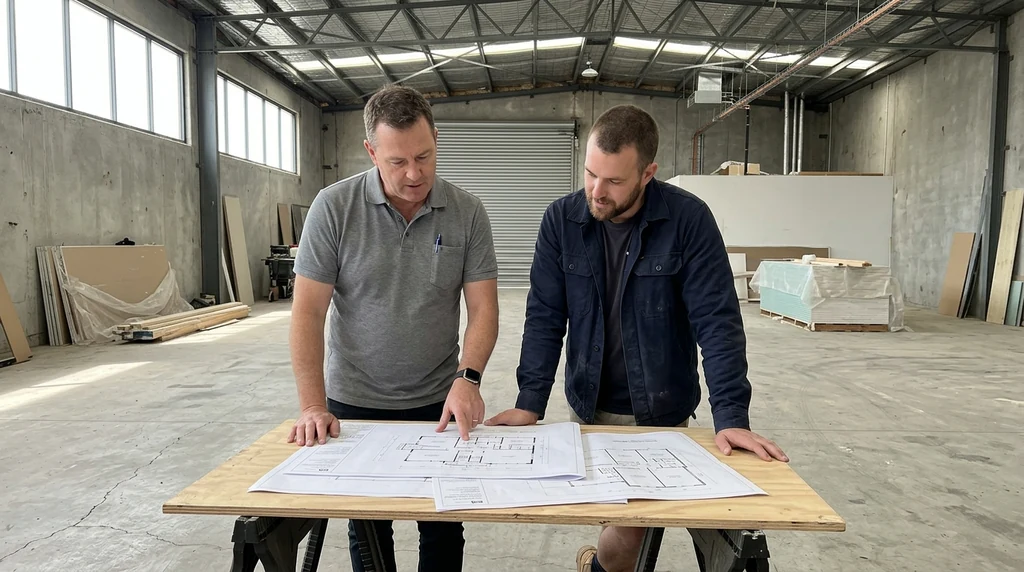
Early building advice is more useful when documents are checked properly. Renovation blueprint review before approval shows why plans need a careful read before work starts.
When You’re Unsure About the Condition of an Older Home
Older properties often carry character, but they can also hide issues that aren’t obvious during a casual walk-through. Timber-framed homes might have hidden pest damage. Older wiring or plumbing might not meet current standards. Renovations completed by previous owners might not have been done to a proper standard, even if they look fine on the surface.
If you’re considering a period home or an established property with a history of renovations, a consultant can help you understand what you’re taking on, so you’re not caught out by repairs you didn’t budget for.
During a Dispute or Uncertainty With a Builder
Sometimes issues arise partway through a project. Maybe the finished work doesn’t match what was agreed, or you’re not sure whether certain aspects meet acceptable building standards. In these situations, a building consultant can provide an objective assessment of the work completed so far, which gives you clearer information when discussing concerns with your builder.
This kind of input is useful because it takes some of the guesswork out of a stressful situation. Instead of relying on opinions, you have a professional assessment to reference.
Before Extending, Subdividing, or Making Structural Changes
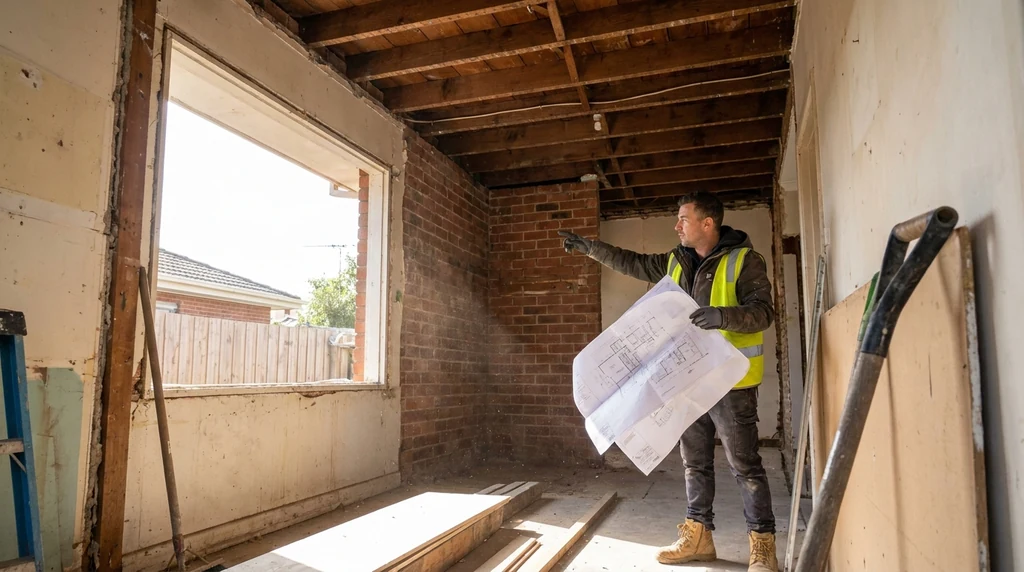
Bigger renovation projects, like second-storey additions, subdivisions, or removing load-bearing walls, come with more risk if the planning isn’t right. A building consultant can help you understand whether your renovation ideas are feasible given the property’s structure, and what kind of preparatory work might be needed before construction even starts.
Getting this kind of input early, before council applications or contracts are locked in, tends to prevent costly redesigns later.
What a Building Consultant Actually Adds to the Process
The common thread across all these situations is clarity. A consultant doesn’t replace your builder, architect, or solicitor. Instead, they add another layer of informed, independent input that helps you make decisions based on the real condition and scope of a property or project, rather than assumptions or sales pitches.
Buying a home or committing to a renovation involves a significant financial and personal investment. Bringing in outside expertise at the right moment, whether that’s before an offer, before signing a contract, or partway through a project, gives you a clearer understanding of what you’re dealing with and helps you avoid surprises that could have been picked up earlier.
Some owners also need to understand which professional does what. Building consultant versus building surveyor in Victoria explains the difference between advice, assessment and statutory approval roles.
Getting the Timing Right
There’s no single “correct” time to involve a building consultant. It depends on where you are in the process and what kind of decision you’re facing. As a general guide, earlier is almost always better. The sooner you understand a property’s condition or a project’s scope, the more options you have to adjust, negotiate, or plan accordingly.
If you’re facing a property decision and want a clearer picture before moving forward, it’s worth thinking about which stage you’re at and what kind of information would actually help you decide with confidence.